Travel To Nepal | Explore Authentic Tour & Trekking Packages
Guarding the Living Land
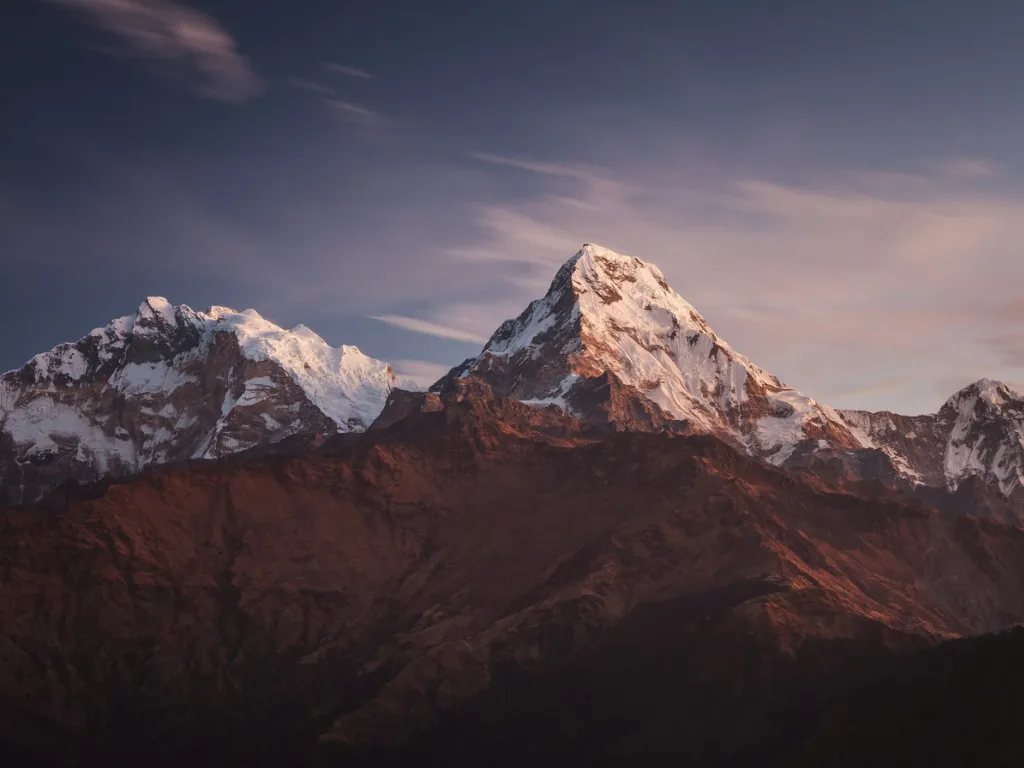
The majestic spirit of the Himalayas and their lush hills continues to captivate the world, drawing over a million visitors annually. Yet this popularity masks a fragile reality: melting snow, disappearing wildlife, floods, pollution, and cultural loss.
These aren’t just clichés or statistics; they are urgent calls to action. We refuse to wait for outside solutions and are stepping up to be responsible stewards of our home.
Our Best Trips
Why Travel To Nepal?
8+ Years of Experience
Our team consists exclusively of Government-certified guides, each with more than eight years of experience .
100% Local Experts
All our expeditions are led by guides who call the Himalayas home and know these trails inside and out.
Safety First
Our team is trained in mountain safety and health standards, ensuring you are in safe hands every step of the way.
Responsible Travel
Your adventure makes a difference. We actively support local charities and community projects.
Top-Tier Service
Our guides and staffs are dedicated to delivering a seamless travel experience that exceeds expectations.
Guaranteed to Go
Once your booking is confirmed, there will be no cancellations due to low participant numbers.
Our Testimonials
THINGS TO KNOW
Frequently Asked Questions
What is the best time to travel to Nepal?
Spring (March–May) and autumn (September–November) are perfect for trekking in Himalayas. These months offer clear skies, moderate temperatures, and stunning Himalayan views ideal for Everest Base Camp, Annapurna Circuit, and Manaslu Trek.
For wildlife safaris in Chitwan and Bardia, the best months are October to April. During these months, you have higher chance of spotting wildlife like Bengal Tigers, Elephant, one-horned rhinos etc.
For local authentic experience, the best months to visit Nepal is autumn (September–November) and spring (March–May) when major festivals take place, and the weather is pleasant for exploring villages, markets, and cultural heritage sites.
September to May is best for paragliding, rafting, and bungee jumping.
Do I need visa to visit Nepal?
If you’re visiting Nepal and you’re not from India, you will need a visa. You can get a tourist visa on arrival at Kathmandu airport or at the border crossings. The cost of the visa depends on how long you stay:
- 15 days visa: $ 30
- 30 days visa: $ 50
- 90 days visa: $125
You can also fill out the visa form online before you travel to make the process faster. If you prefer, you can get a visa at a Nepalese embassy in your country.
You do not need a visa if you are an Indian citizen. You can travel to Nepal on a passport or voter’s identification card.
How much does it cost to travel to Nepal?
Cost of traveling to Nepal depends on the choice of facilities you choose and the length of your stay in Nepal. At a minimum, it can start from $500 for a budget friendly trip, including basic stay, meals, and transportation.
However, for a more luxurious experience, the cost can be significantly higher.
What currency is used in Nepal, and can I use credit cards?
The currency used in Nepal is the Nepalese Rupee (NPR). You can exchange foreign currency at banks, exchange centers, or hotels.
As for credit cards, yes, Visa and MasterCard are widely accepted in major cities like Kathmandu and Pokhara, especially at luxury hotels. However, in more remote areas, it’s best to carry cash.
Card transaction fees can range around 3.5%.
It’s recommended to inform your bank before traveling to avoid card-blocking issues due to international transactions.
What languages are spoken in Nepal?
The official language of Nepal is Nepali. While Nepali is widely used in both urban and rural areas, many people working in the tourism industry, especially in places like Kathmandu, Pokhara, and Chitwan, can also speak English.
In popular tourist destinations, you’ll often hear English spoken in hotels, restaurants, and tourist shops. However, in remote areas, knowledge of Nepali or local languages might be more common. It’s a good idea to learn a few basic Nepali phrases to help communicate and enrich your travel experience!
Do I need trekking permit in Nepal?
Yes, if you’re planning to trek in Nepal, you will need a trekking permit.
The most common permits are the TIMS (Trekking Information Management System) Card, which is required for most trekking routes and costs around USD 20, and the National Park or Conservation Area Permit for regions like Annapurna, Sagarmatha, and Langtang, typically costing $30 for 30 days.
If you’re trekking in restricted areas like Upper Mustang or Manaslu, special permits are needed, costing USD 10 to USD 100 per day. Permits can be obtained through a licensed trekking agency or at permit offices in Kathmandu or Pokhara.
Do I need a guide for trekking in Nepal?
Nepal has introduced a new rule requiring all foreign trekkers to hire a licensed guide when trekking in national parks, conservation areas, and most protected regions. This rule aims to enhance safety, reduce risks like altitude sickness, and support local employment.
Although this new rule hasn’t been implemented properly yet, it’s highly recommended, especially for remote or restricted areas like Upper Mustang or Manaslu.
Is Nepal Safe to Travel?
Nepal is generally considered a safe destination for travelers. However, like traveling anywhere, it’s important to stay aware and take basic safety precautions.
- Trekking: If you’re trekking, make sure to trek with a licensed guide, especially in remote areas. Follow safety guidelines and be prepared for the challenging mountain terrain.
- Health and Safety: Take necessary health precautions like getting vaccines and avoiding tap water. Carry a first-aid kit and stay informed about any health advisories.
- Crime: Petty crime like pickpocketing can happen in crowded tourist areas, so keep your valuables secure.
Overall, Nepal is a safe place to visit as long as you take necessary precautions and plan ahead.