
Day 1: Arrive in Pokhara (822 m), welcome and trip briefing
Lakeside hotel · Gear check
Arrival · 822 m
Fly or drive from Kathmandu to Pokhara. In the evening your guide checks your gear and permits and talks you through the route.
Government-licensed trekking agency · Reg. tourest registation · TAAN member
Popular treks
Annapurna Base Camp Trek11 days · from $850Annapurna Circuit Trek16 days · from $1,150Everest Base Camp Trek14 days · from $1,000Langtang Valley Trek10 days · from $890By style
Quiet, off the beaten pathFewer trekkers, wild valleysTeahouse treksLodges every nightPrivate treksYour group, your dates Not sure which trek fits you?Tell us your dates and fitness. A local expert suggests the right route.Ask on WhatsApp
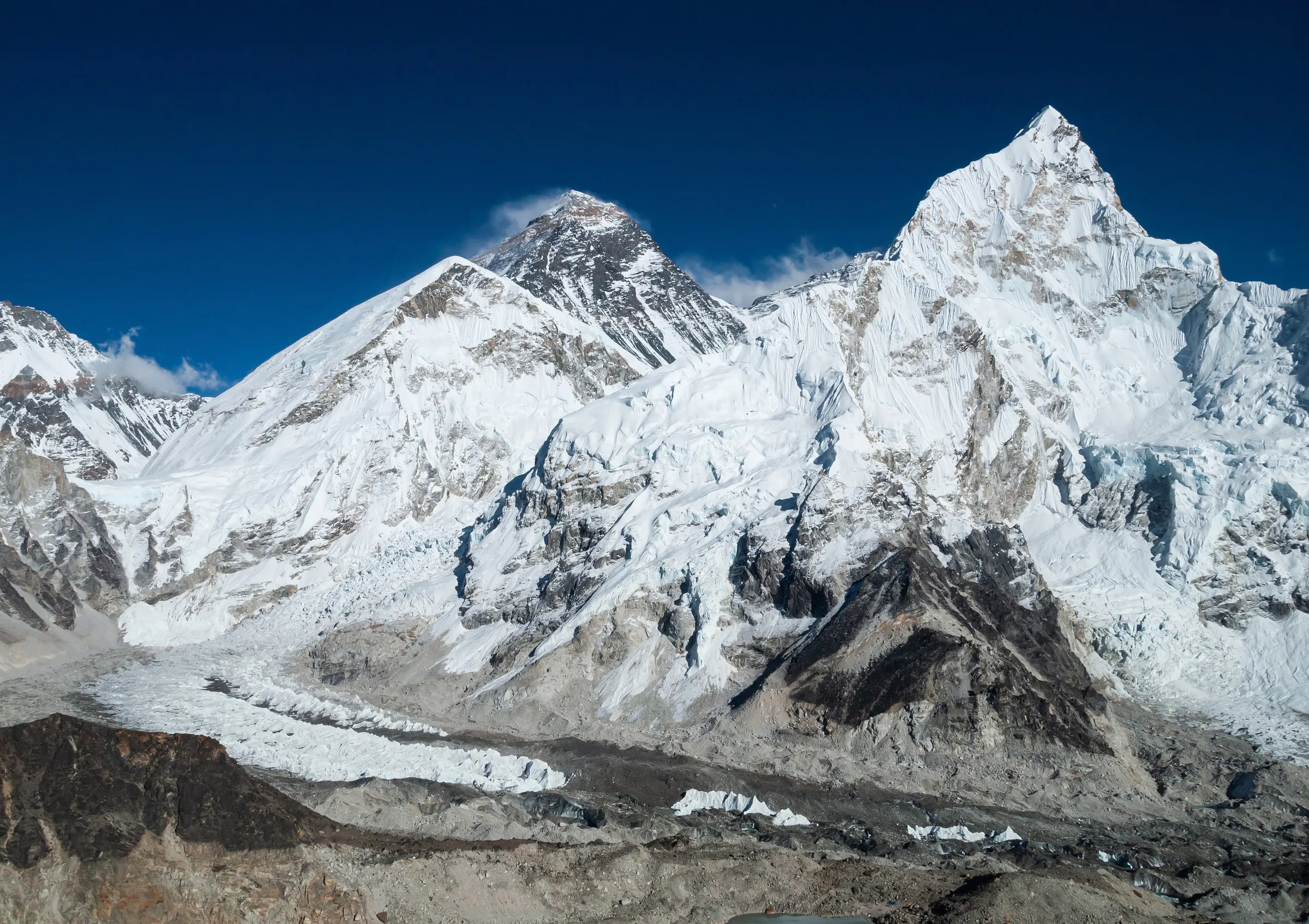 EverestUp to 5,545 m
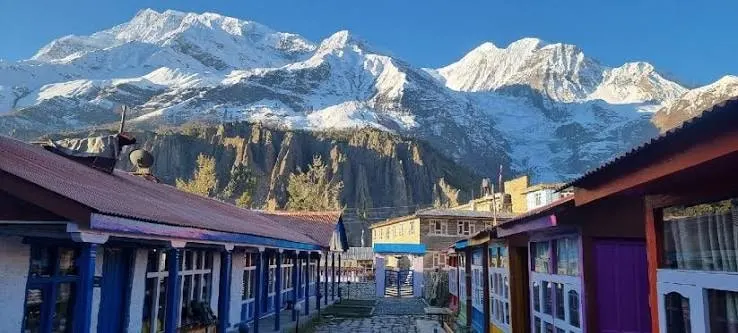 AnnapurnaUp to 5,416 m
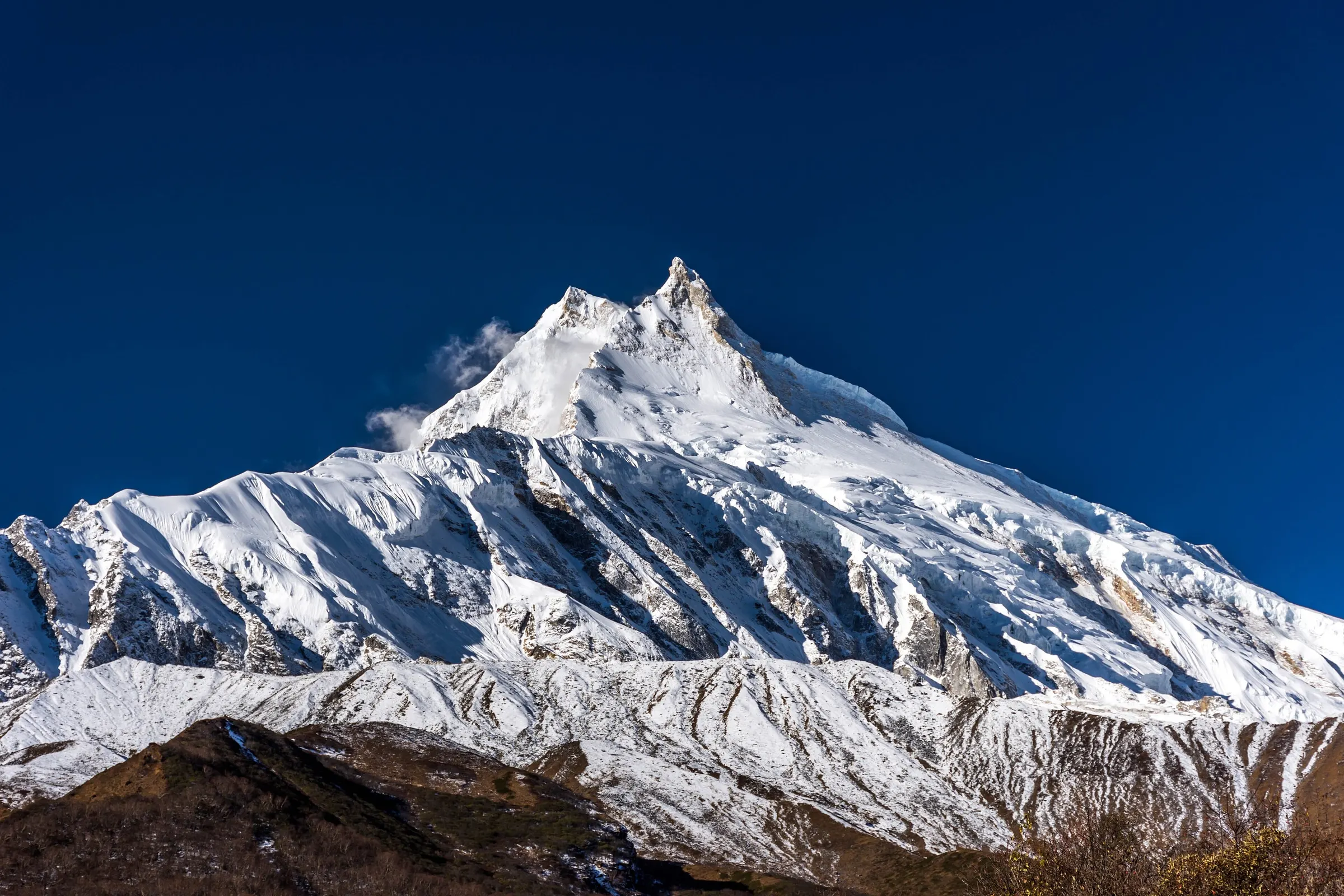 ManasluUp to 5,106 m
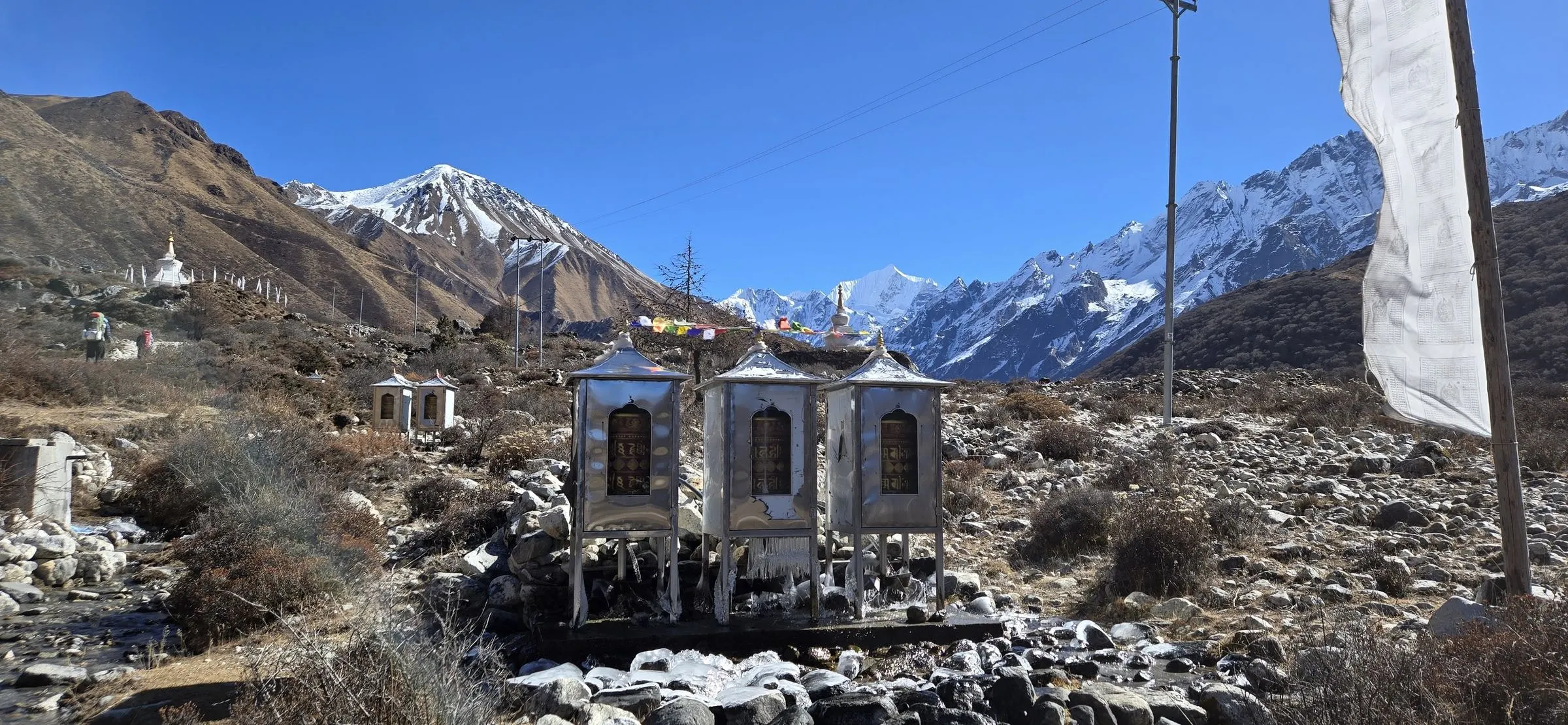 LangtangUp to 4,984 m
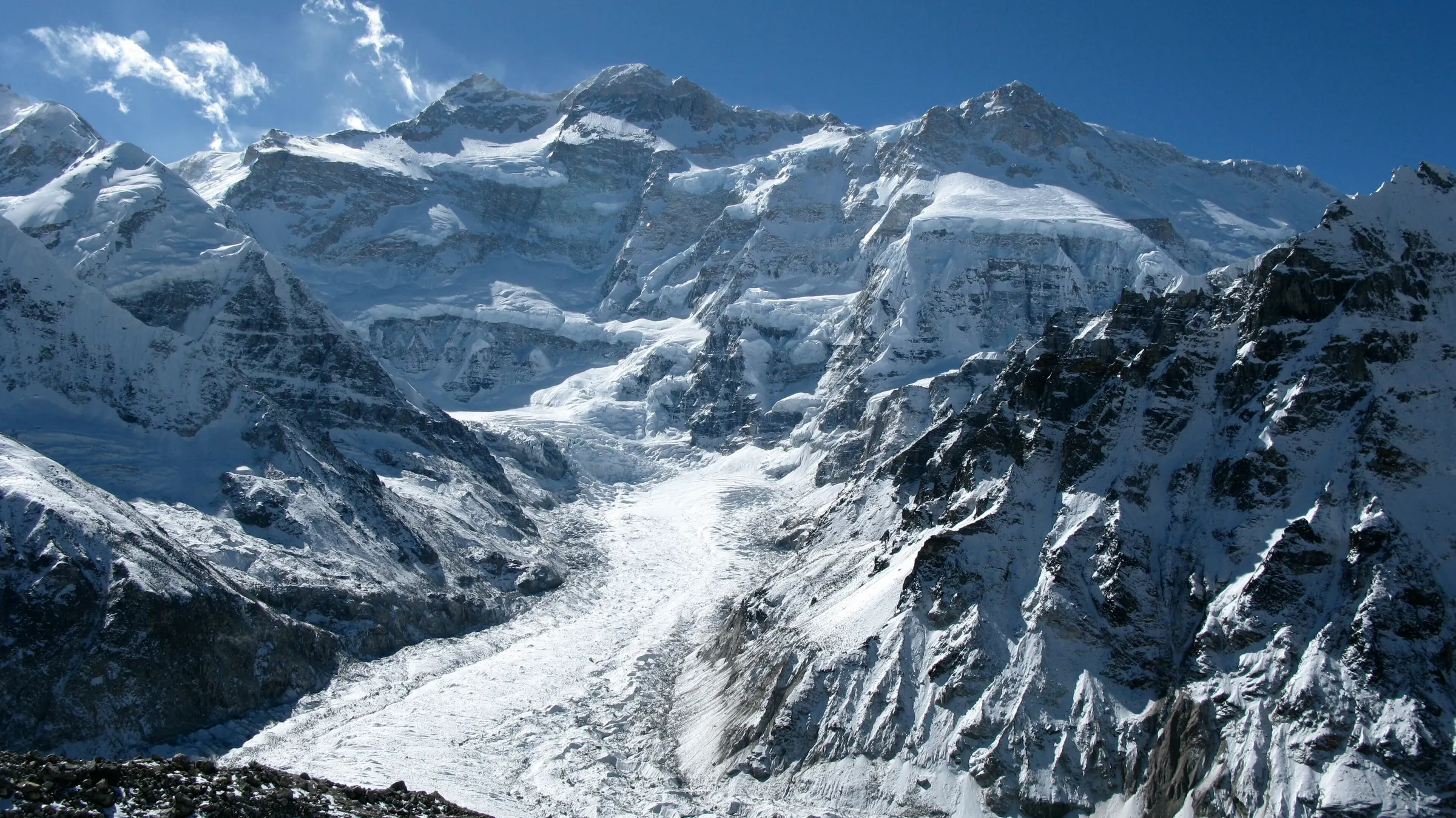 KanchenjungaUp to 5,143 m
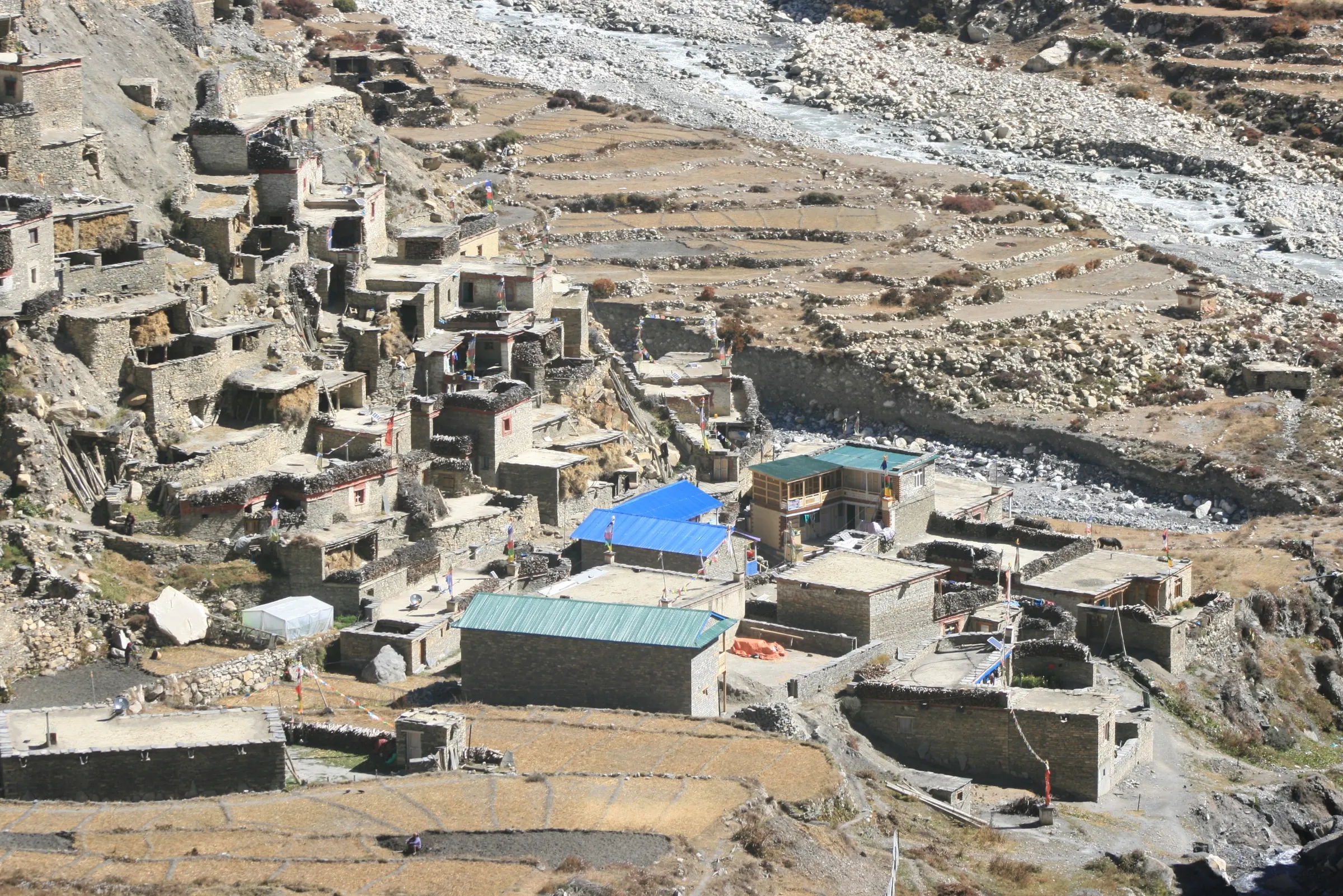 Nar PhuUp to 5,320 m
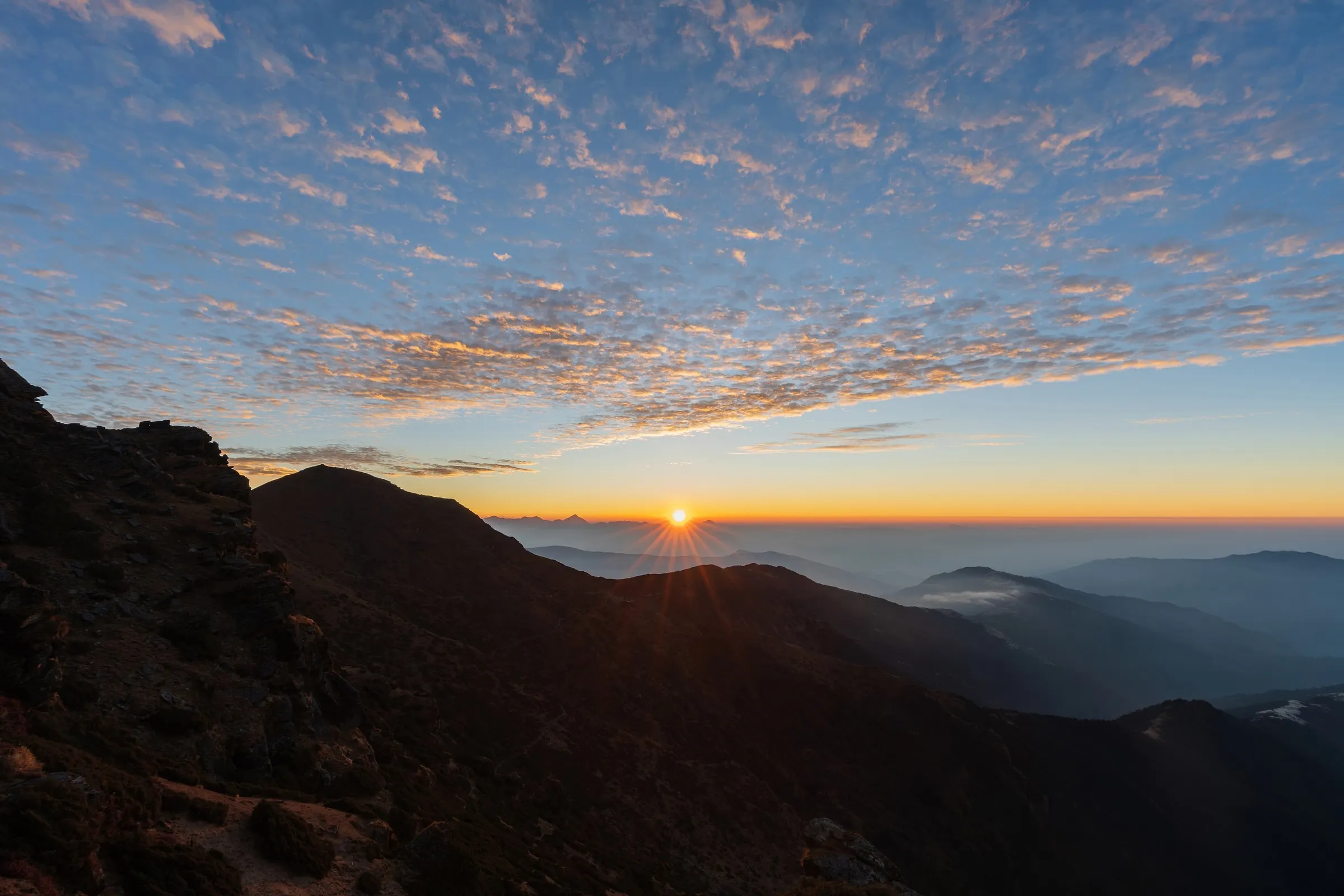 Pikey PeakUp to 4,065 m
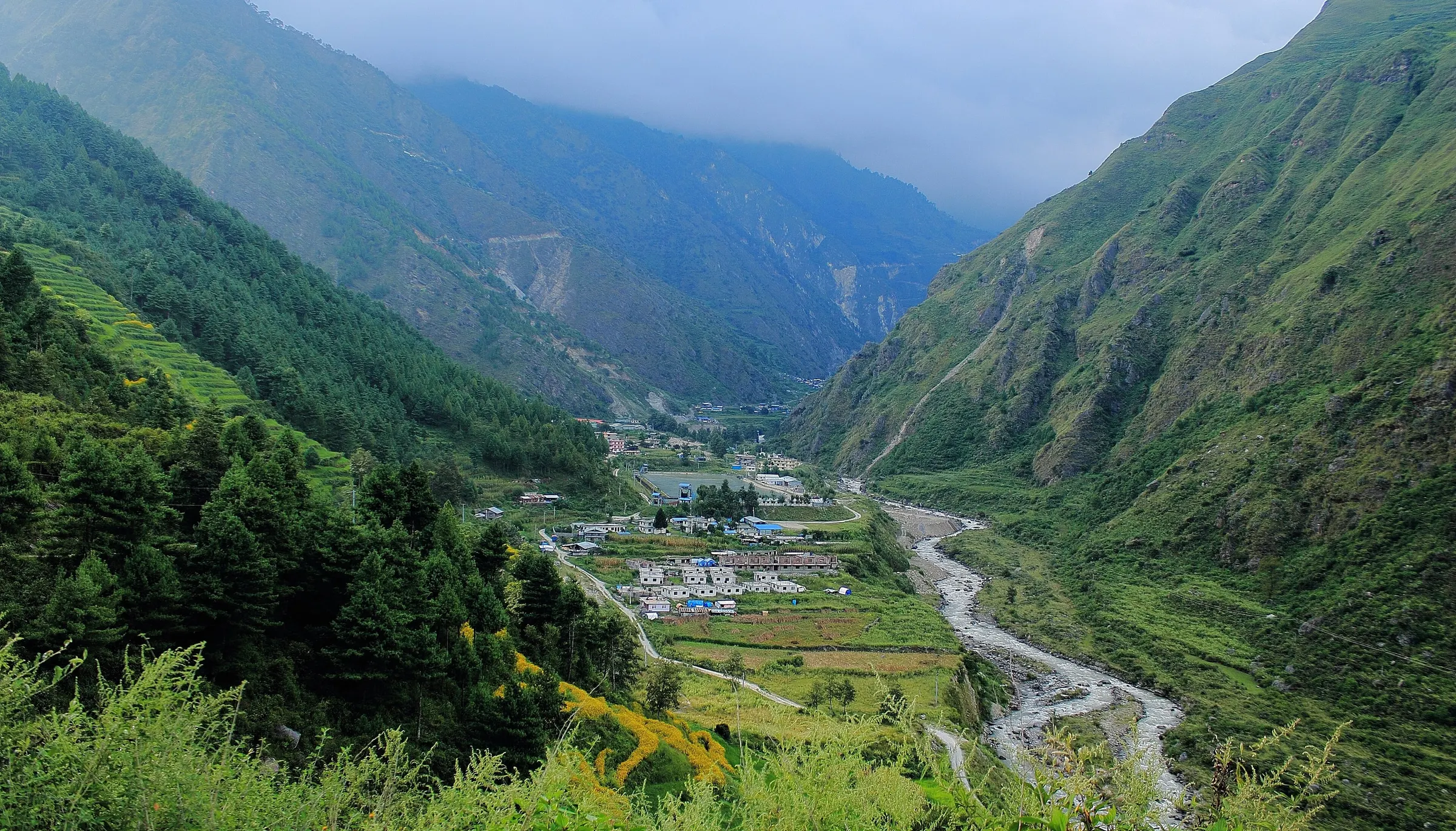 Tamang Heritage TrailUp to 3,165 m
2026/2027 season open · start on any date you choose
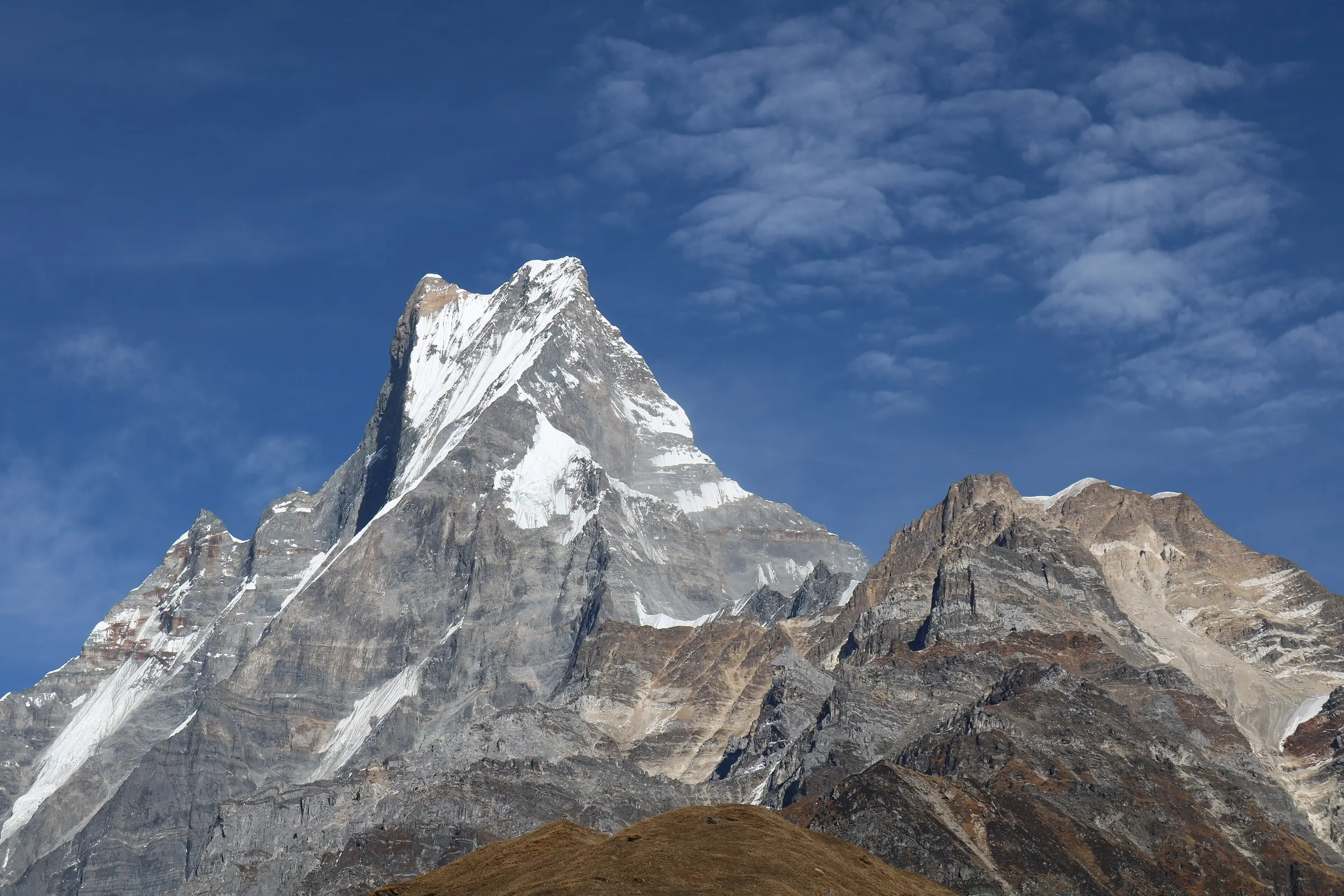
The Mardi Himal Trek follows a narrow ridge from the forests above Pokhara straight towards Machapuchare (6,993 m), the sacred Fishtail peak that is closed to climbers. The trail opened to teahouse trekking only in the 2010s, so it is still quiet compared with Poon Hill or Annapurna Base Camp.
You climb through moss-covered rhododendron forest to Forest Camp and Low Camp, then above the trees to High Camp and the Mardi Himal Base Camp viewpoint (about 4,500 m), with Annapurna South, Hiunchuli and Mardi Himal around you. Trailheads are an hour from Pokhara, so the whole trek fits into a week.
Verified route 2026/2027
Our heritage and roots
Born and raised in the mountains of Nepal, our founder grew up walking Himalayan trails with the elders of his village. That lifelong respect for the mountains became the foundation of Travel To Nepal.
Sujan SherpaFounder and lead trek director
Read our storyDirect local consultation
Message us on WhatsApp or send us an email. Either I or my team will personally answer your questions and make sure all your doubts are answered properly.
Trek milestones
The Fishtail fills the sky from High Camp, closer than from almost anywhere else on a teahouse trek.
A dawn climb along the ridge to a view of Mardi Himal, Machapuchare and Annapurna South.
On clear mornings the valleys around Pokhara lie under the clouds while you stand above them.
Quiet forest between Pothana and Low Camp, red with flowers in spring.
Small family teahouses and far fewer trekkers than the classic Annapurna routes.
Short drives to the trailhead and back, with no domestic flight needed.
Trekker suitability guide
An honest checklist from our guides to help you decide if the Mardi Himal ridge suits you.
Suitability checklist
Physical demands and fitness: 4 to 7 hours of walking a day with steep stone steps and ridge climbs. Moderate fitness is enough.
Altitude and acclimatization: You sleep no higher than High Camp (3,580 m) and day hike to about 4,500 m. Fine for anyone in good health.
Technical skill required: None. The upper ridge is narrow and can be icy in winter, but needs no ropes or climbing gear.
Trail comfort and accommodation: Small family teahouses with simple twin rooms. Rooms at High Camp are basic and fill up in October.
Mental resilience: Be ready for an early, cold start on the Base Camp day and for cloud that can hide the views.
Medical conditions: With heart or lung conditions or severe asthma, speak to your doctor before booking.
Unsure about your fitness or readiness?Our lead trek director gives a free, no-obligation preparation check.
Step-by-step route
Seven unhurried days from Pokhara to the foot of Machapuchare and back. You drive to Kande, walk up through Pothana and the rhododendron forest to Low Camp and High Camp, climb to the Mardi Himal Base Camp viewpoint at dawn, and come down through Siding village to the road. Every night on the trail is in a family-run teahouse.
Lakeside hotel · Gear check
Arrival · 822 m
Fly or drive from Kathmandu to Pokhara. In the evening your guide checks your gear and permits and talks you through the route.
Australian Camp · First views of the Annapurnas
1 hr drive · 3–4 hrs · 1,890 m
A short drive to Kande, then a steady climb through villages and forest to Australian Camp and on to Pothana, with Annapurna South and Machapuchare ahead.
Rhododendron and oak forest · Quiet trail
5–6 hrs · 2,550 m
Leave the main Annapurna trail at Deurali and follow the quiet ridge path into thick rhododendron and oak forest to Forest Camp.
Mossy forest · Machapuchare appears
3–4 hrs · 2,970 m
A shorter day through moss-covered forest to Low Camp, where Machapuchare rises right above the teahouses. A good day to rest and adjust to the height.
Above the tree line · Sunset on the Fishtail
4–5 hrs · 3,580 m
Climb above the trees to Badal Danda, the cloud ridge, and on along open grassland to High Camp for sunset on Machapuchare and Annapurna South.
The high point of the trek · Ridge walk at sunrise
8–9 hrs · 4,500 m · High point
An early start up the ridge to the viewpoint and on to Base Camp, with Mardi Himal, Machapuchare and Annapurna South around you. Back to High Camp for lunch, then down to Low Camp.
Village descent · Celebrate with your team
4–5 hrs · 2–3 hrs drive · 822 m
A long descent through forest and terraced fields to Siding village, then a jeep back to Pokhara for a lakeside dinner with your guide.
Low Camp to Siding (1,750 m), drive back to Pokhara (822 m)
4–5 hrs · 2–3 hrs drive · 822 m
4–5 hrs · 2–3 hrs drive testing data with image

Tailor-made treks
Unlimited free changes until it is right
Want to match your own pace, fitness, group or holiday dates? Tell us what you have in mind and our Kathmandu team will change the route as many times as you need, until it is the Mardi Himal Trek you want.
WhatsApp +977 980000000 · traveltonepal102@gmail.com · Reply usually within a few hours
Local expertise and safety first
Licensed guides from the Annapurna foothills, trained in first aid, who know every teahouse family on the ridge.
Solo trekkers
First aid
Lead guide for solo trekkers
Sikles, Kaski
“Walking alone is fine. Walking with someone who knows the trail and the people is better.”
Family treks
First aid
Trek leader, family treks
Ghandruk, Kaski
“With children, the trek is not the destination. A good day is when everyone wants to walk again tomorrow.”
Full disclosure
Ground transport: Pokhara – Kande and Siding – Pokhara by private jeep.
Licensed guide and porters: first-aid trained, insured and fairly paid.
Teahouse lodging: 5 nights on the trek and 2 hotel nights in Pokhara.
Permits: Annapurna Conservation Area Permit (ACAP), and a TIMS card where checkpoints ask for it.
Safety gear: pulse oximeter and first-aid kit.
Pokhara transfers: airport or bus park pickup and drop-off in Pokhara.
Meals on the trek: order freely from the menu (about $20–30 a day).
Kathmandu – Pokhara travel: flight or tourist bus, which we can book for you.
Travel insurance: required, with helicopter rescue cover.
Nepal tourist visa: on arrival at the airport.
Lodge extras: hot showers, battery charging and Wi-Fi.
Trekker-first transparency
Freedom of choice and appetiteAppetite changes with altitude. Order what your body wants, from dal bhat to pasta, porridge or soup.
Direct support for teahouse familiesYou pay the lodges directly, so all food money stays with the local families who run them.
No package markupsAll-inclusive meal packages are often padded. Here you pay real menu prices for what you eat.
Dietary needs and allergiesVegetarian, vegan or gluten-free: order on the spot and get food made the way you need it.
Average daily food budget: plan on about $20–30 USD per day for hearty breakfasts, lunches, hot dinners and boiled drinking water or tea.
Trail pro tips
“Dal bhat power”: unlimited refills of rice, lentils and vegetable curry. The best fuel for the ridge.
Go vegetarian higher up: meat is carried up without refrigeration, so we suggest vegetarian meals above Forest Camp.
Stay hydrated: drink 3–4 litres a day (ginger-lemon-honey tea, garlic soup, boiled water).
Cash is king: there are no ATMs on the trail. Bring enough Nepali rupees from Pokhara.
Essential teahouse notes
Teahouse rule: eat breakfast and dinner where you sleep. Lodges keep room prices low because of it.
Order early: order dinner around 5 pm; at High Camp breakfast is early on the Base Camp day.
Small extras: showers, charging and Wi-Fi cost a few dollars each higher up.
Acclimatization map
You sleep no higher than 3,580 m and only day hike to the high point.
Peak: 4,500 m
Route and GPS waypoints
Interactive map
Interactive Google map
Loading it connects to Google, which can see your IP address and may set cookies.
Pokhara 822 mStart
Day 1Pothana 1,890 m
Day 2Forest Camp 2,550 m
Day 3Low Camp 2,970 m
Day 4High Camp 3,580 m
Day 5Mardi Base Camp 4,500 mHigh point
Day 6Pokhara 822 m
Day 7Interactive map by Google Maps. See our privacy policy for how Google handles your data.
Direct operator advantage
Local leadership, honest pricing and careful safety standards, straight from our Kathmandu team.
Licensed guides who grew up in the region they lead and know the teahouse families by name.
Everything included is listed before you book. Meals are paid on the trail at real menu prices.
Daily oxygen and pulse checks, a first-aid kit, and rescue coordinated from Kathmandu.
Every trek is private. Change the pace, days or route; we rewrite the plan for free.
You plan with our team directly, before, during and after your trek.
Weight limits, warm gear, insurance and fair pay for every person on your team.
Transparent pricing structure
Book directly with our Kathmandu team, with no middlemen. Every trek is private, so you choose your own start date.
| Group size | Per person | Your team | Action |
|---|---|---|---|
| 1 person (solo) | $690 | Private guide + private porter | |
| 2 people | $610 | Guide + 1 porter | |
| Popular3–5 people | $540 | Lead guide + assistant + porters | |
| 6–10 people | $495 | Lead guide + 2 assistants + porters | |
| 11+ people | $455 | Full trekking team |
Official verification
Est. 2024 · Kathmandu
Nepal Department of Tourism registration certificateRegistration tourest registation · licensed trekking agency
The Travel To Nepal advantage
Why trekkers choose our locally led Annapurna treks.
Our trek leaders have walked these trails for years and know the teahouse families along the way.
Pulse oximeter readings morning and evening help catch altitude sickness early.
Fair wages, insurance, warm gear and strict weight limits for every porter.
Only your group, with personal pacing and quiet teahouse evenings.
Booking direct with a Nepali company means your money supports families along the trail.
Fast reply on WhatsApp
Direct local pricing, no middlemen. Fill this in and we open WhatsApp with your request already written.
Gear and essentials
Tested gear for the ridge: frosty mornings at High Camp to warm days in the forest.
Base layers: 2–3 merino or synthetic tops and bottoms.
Fleece mid-layer: a warm fleece or softshell.
Down jacket: rated to about −10 °C for the dawn climb from High Camp.
Waterproof shell: jacket and trousers for rain and wind on the ridge.
Trekking boots: waterproof, broken in, with good grip for steep steps.
Camp shoes: light trainers or sandals for the teahouse.
Socks: 4–5 pairs of cushioned trekking socks.
Microspikes: useful in winter or early spring when the upper ridge is icy.
Daypack (25–35 L): with a rain cover for layers, water and snacks.
Duffel bag: carried by your porter (max 15 kg).
Sleeping bag: comfort to −10 °C (you can rent one in Pokhara).
Trekking poles and headlamp: for the long descent and the dawn hike.
Water purification: tablets or a UV pen, plus two 1 L bottles.
Medical kit: blister plasters, painkillers, rehydration salts.
Sun protection: SPF 50 sunscreen, sunglasses and lip balm.
Hygiene: wet wipes, hand sanitizer and a quick-dry towel.
Practical field knowledge
Essential insights from our local trek leaders.
Spring (March to May): rhododendrons in bloom below High Camp and warm days.
Autumn (October to November): dry trails and the clearest views of Machapuchare.
*Winter is clear but snow can close the ridge above High Camp. The monsoon brings rain, leeches and hidden views.
Rooms: small twin rooms with blankets; use your sleeping bag on top.
High Camp: only a few lodges, so rooms are basic and busy in October.
Wi-Fi and power: charging is available in most lodges for a small fee; signal is patchy.
Dal bhat: rice, lentil soup, vegetables and pickle, with free refills.
Trail menus: porridge, Tibetan bread, noodles, fried rice and ginger tea.
Hydration: drink 3–4 litres a day and treat your water; skip single-use plastic.
Rescue: our office coordinates helicopter evacuation with your insurer if it is ever needed.
On the trail: your guide carries a first-aid kit and pulse oximeter, and Pokhara hospitals are close.
Insurance: travel insurance covering emergency evacuation is required for every trekker.
Close views of Machapuchare, the dawn climb to the Mardi Himal Base Camp viewpoint, mossy rhododendron forest, a sea of clouds below the ridge, and quiet family teahouses.
Mardi Himal Base Camp at about 4,500 m on day 6. You sleep no higher than High Camp at 3,580 m.
Mardi Himal is shorter and quieter, along an open ridge. Annapurna Base Camp takes 7–10 days and brings you inside the Sanctuary. With a week, choose Mardi Himal.
Our standard itinerary is 7 days from Pokhara and back, with 5 days on the trail. We can add a day for a slower pace.
Fly or drive from Kathmandu to Pokhara, then it is about an hour by jeep to Kande. The jeep from Siding back to Pokhara is included.
Yes. It links with Poon Hill or Annapurna Base Camp through Landruk and Ghandruk for a 10–14 day trip.
Moderate, grade 3 of 5. The days are short but steep, and the dawn climb from High Camp is the hardest part.
Stair climbing, weekend hikes in your boots with a light pack, and steady cardio for 6–8 weeks before you go.
The risk is low because you sleep no higher than 3,580 m, but we still climb at a steady pace, check oxygen levels each day and turn back if serious symptoms appear.
Fast reply · local operator
Ready for the Himalaya?
Get a personal itinerary, packing advice and a confirmed price for your group, straight from our Kathmandu team.
Explore more of the Himalaya
Treks planned with you and led by local guides.
5 days · Easy
A short trek from Pokhara to the famous sunrise over Dhaulagiri and the Annapurnas.
From $430
View route: Poon Hill Trek11 days · Moderate
Gurung villages, rhododendron forest and a night inside the Annapurna Sanctuary at 4,130 m.
From $850
View route: Annapurna Base Camp Trek10 days · Moderate
Glaciers, yak pastures and Tamang villages, close to Kathmandu with no flights.
From $890
View route: Langtang Valley Trek7 days · Easy
A short trek through Sherpa villages to a sunrise view from Everest to Kanchenjunga, with no Lukla flight.
From $620
View route: Pikey Peak TrekFrom$540
Book on WhatsApp