In this guide (8 sections)
Quick answer
Buy travel insurance that covers trekking up to your trek's highest point (for example 5,545 m on Everest Base Camp) and includes helicopter evacuation and emergency medical care. Check it also covers guided trekking without ropes, your pre-existing conditions and delays to mountain flights. We ask every trekker for their policy details before the trek.
I bought my first trekking policy in a hurry, the night before flying to Kathmandu. Only on the trail did I read that it covered hiking up to 3,000 m, and I was heading for 5,400 m. Nothing went wrong, but I spent the trek knowing that a rescue would have been on me.
This guide is what I wish I had read then. It is general advice, not a recommendation of any insurer, and Ang Dorje Sherpa, who has guided in the Khumbu for 20 years, checked the parts about rescues on the trail.
Why insurance matters in the mountains
Most treks in Nepal are days from the nearest road. If you are seriously ill or injured, the way out is often a helicopter, and the way to the hospital is Kathmandu. That is why our treks require insurance with evacuation cover, and why your guide asks for your policy number before you start.
Your guide and our Kathmandu office can organise a rescue quickly, but the insurer usually needs to approve it. Having the right policy, and its emergency number with you, saves hours when they matter.
The altitude limit: read this first
Many policies cover hiking or trekking only up to a set altitude. If your trek goes higher, you may not be covered at all on the high days, which are exactly the days when problems are most likely.
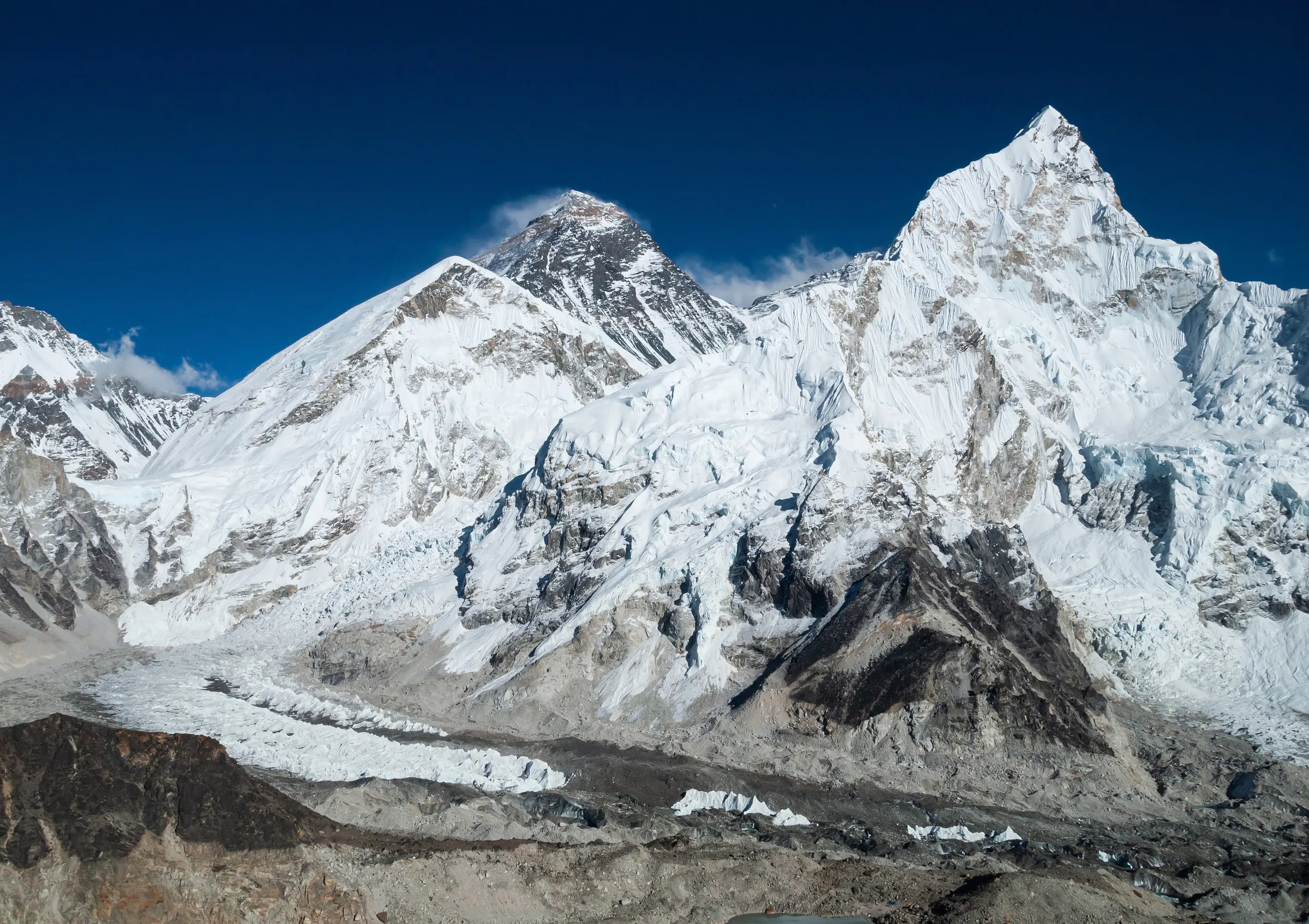
Everest Base Camp: up to 5,545 m (Kala Patthar).
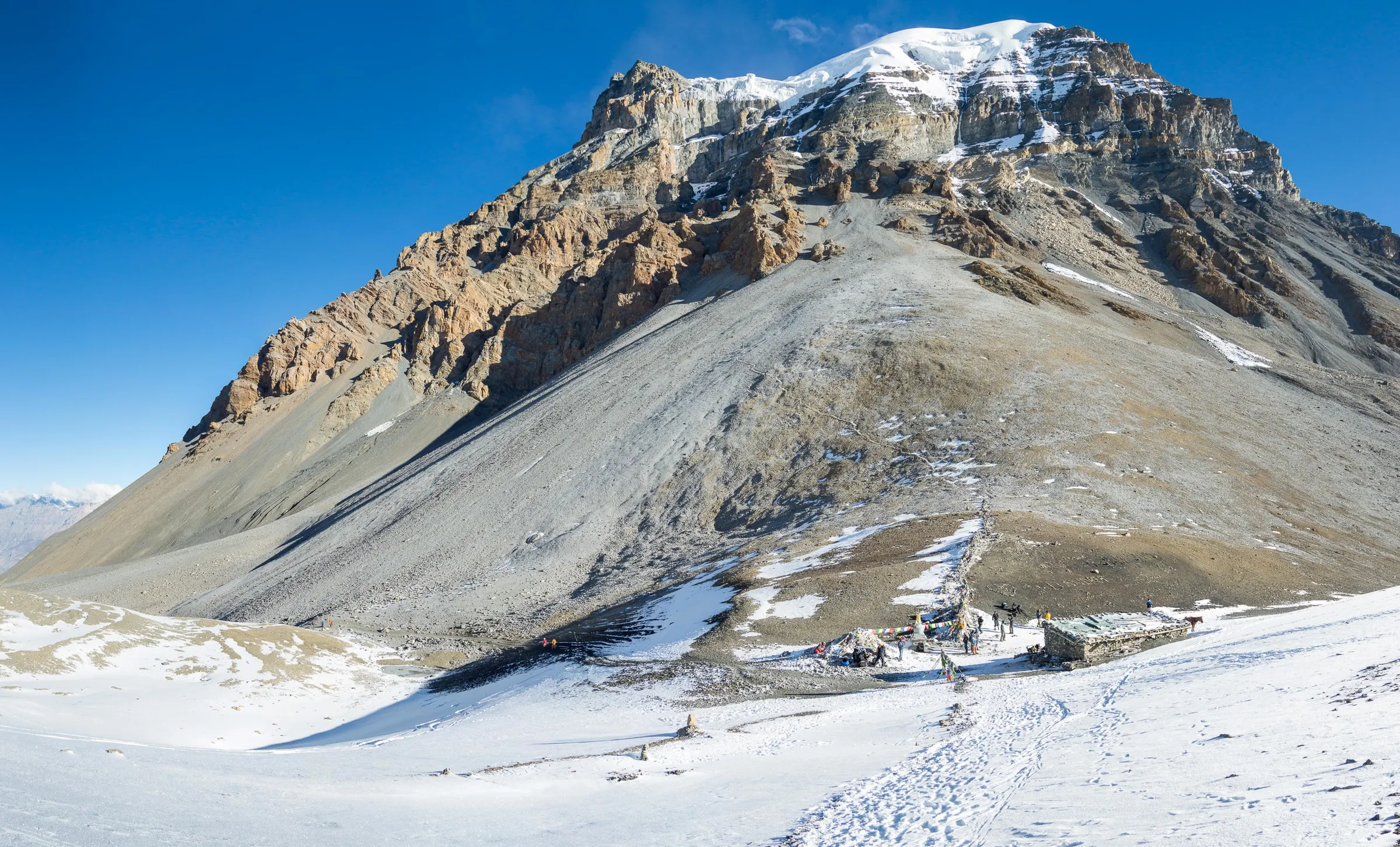
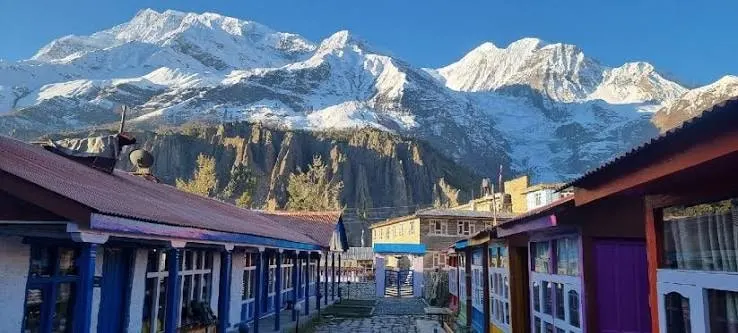
Annapurna Circuit: up to 5,416 m (Thorong La).
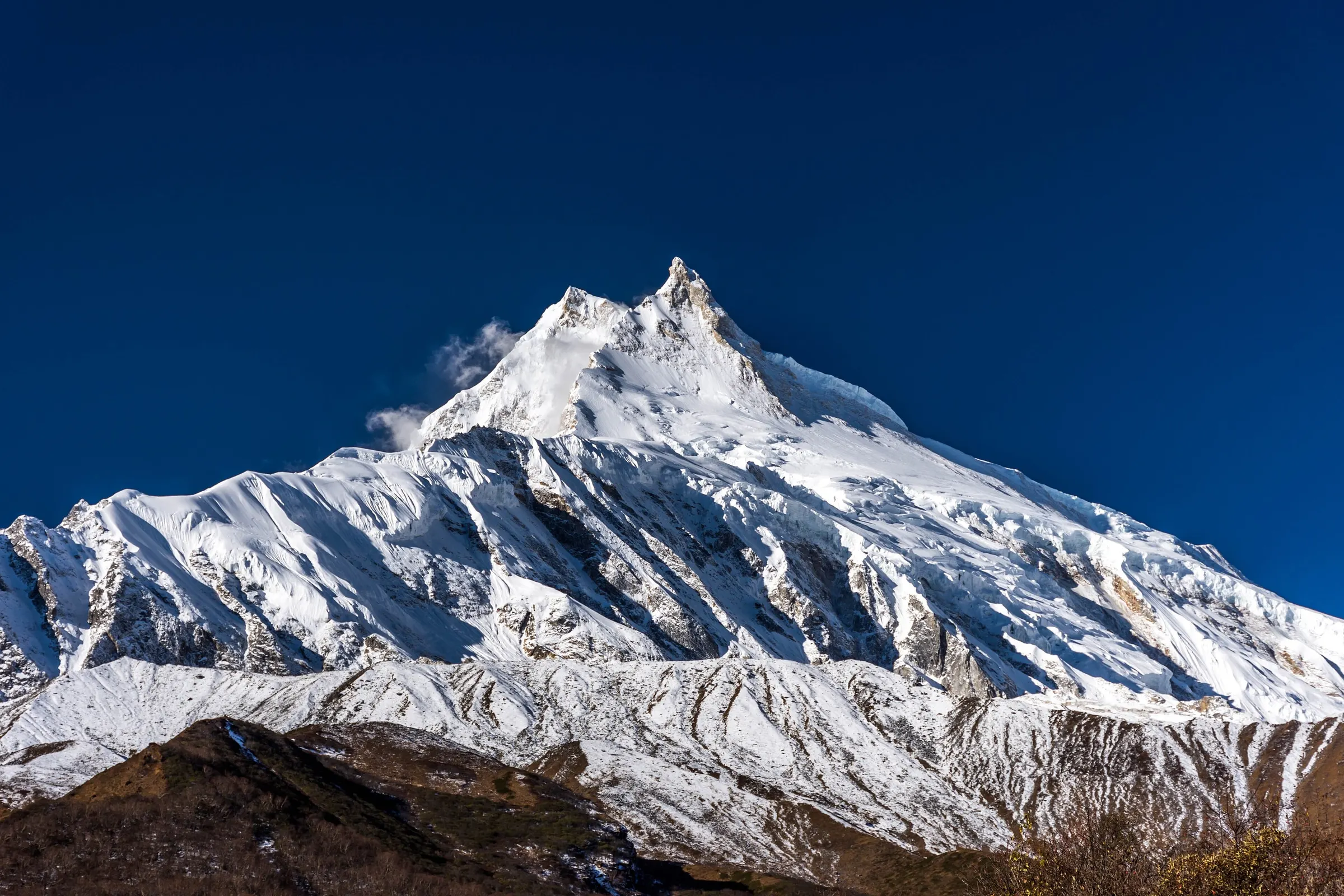
Manaslu Circuit: up to 5,106 m (Larkya La).
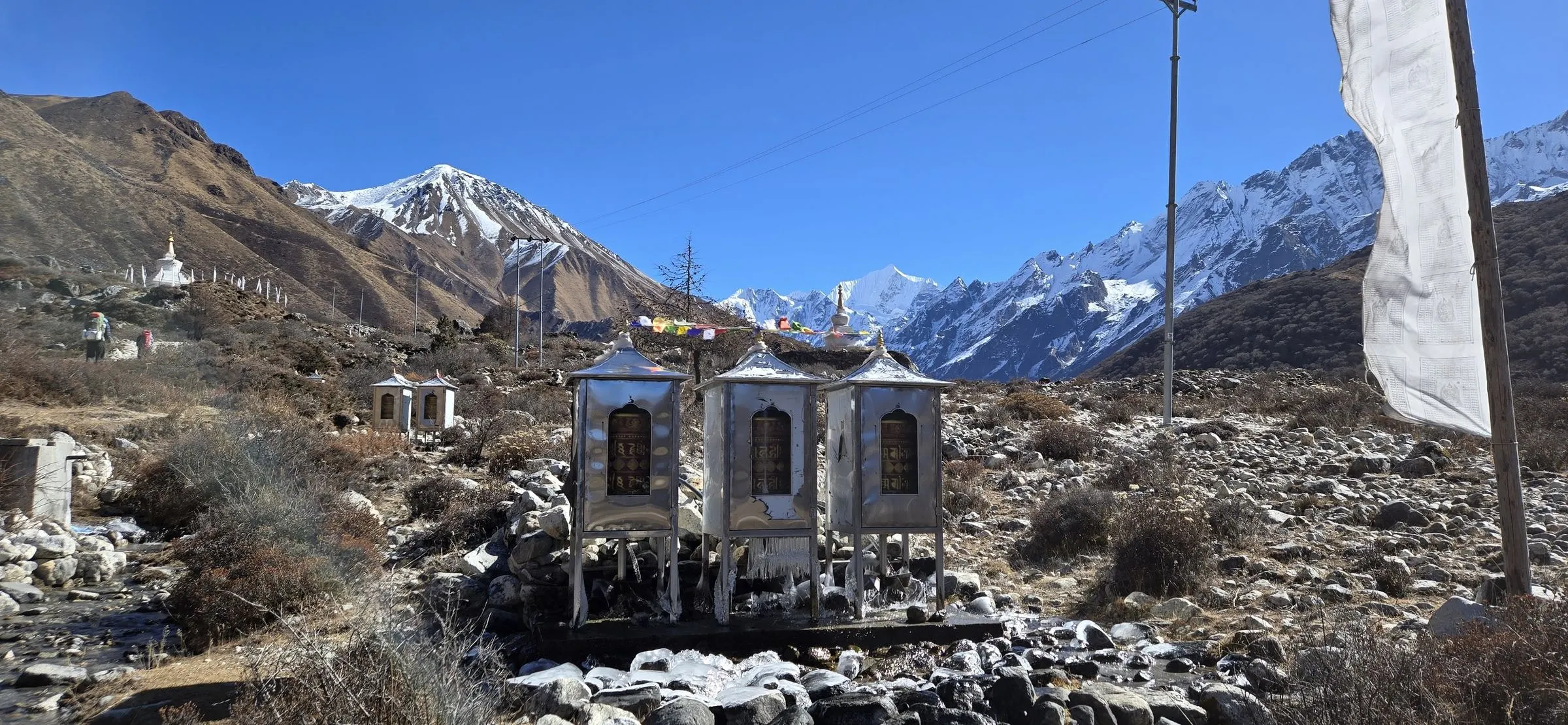
Langtang Valley: up to 4,773 m (Kyanjin Ri), or 4,984 m if you climb Tserko Ri.
Look for the trek's highest point, not the place you sleep. Our trek pages list it in the trip facts.
What your policy should include
- Trekking up to your trek's highest point
- Helicopter search, rescue and evacuation
- Emergency medical treatment and hospital care
- Repatriation to your home country if needed
- Guided trekking on trails, without ropes or climbing gear
- Your pre-existing medical conditions, declared and accepted
- Trip cancellation and cutting a trek short
- Delays and missed connections caused by cancelled mountain flights
Flight delays in the mountains
Treks that use small mountain airstrips, such as Lukla for the Everest region, are often delayed by weather, sometimes for a day or more. In the busy seasons most Lukla flights leave from Ramechhap (Manthali), a few hours' drive from Kathmandu.
We build spare days into Everest itineraries, but a long delay can still mean a missed international flight. Cover for travel delays and missed departures is worth checking, along with whether your policy pays towards a helicopter flight out if planes can't land.
What to carry on the trail
Your policy number and the insurer's 24-hour emergency phone number, on paper and on your phone.
A copy of your passport and your permits.
A short note of any medical conditions, allergies and medication, in your daypack.
A charged phone or power bank. Mobile signal reaches many villages, and your guide carries our office contacts.
We also keep a copy of your policy details at our Kathmandu office, so we can talk to your insurer if you can't.
If something goes wrong on the trek
Most treks finish without any problem. If someone does fall ill or get hurt, this is what usually happens:
Your guide gives first aid, checks your oxygen level with the pulse oximeter and, for altitude problems, starts the walk down straight away.
If you can't walk out safely, your guide calls our Kathmandu office with your location and condition.
We contact your insurer with your policy number and arrange the helicopter once the rescue is approved.
You are flown to Kathmandu for treatment, and we stay in touch with you, your family and the insurer.
Going down is the most important treatment for altitude sickness, and it never waits for a helicopter. Your guide will start descending on foot whenever that is possible.
Before you buy: questions to ask the insurer
What is the highest altitude covered, and does it count the highest point reached in a day?
Is helicopter evacuation covered, and do you need to approve it before it takes off?
Is a guided trek on trails covered as standard, or as an extra activity?
Are my pre-existing conditions covered once declared?
What is covered if a mountain flight is cancelled for several days?
Get the answers in writing, by email or in the policy document, before you pay.
Questions about insurance for your trek?
Ask on WhatsAppFrequently asked questions
Is travel insurance required for a trek in Nepal?
Every trekker on our treks must have travel insurance that covers trekking at the trek's altitude and emergency helicopter evacuation. We ask for your policy details before the trek starts.
Does normal travel insurance cover trekking?
Often only up to a set altitude, and sometimes not at all. Read the activity and altitude sections of your policy, and buy an upgrade or a specialist trekking policy if your trek goes higher.
Who calls the helicopter in an emergency?
Your guide contacts our Kathmandu office, and we coordinate the rescue with your insurer. That is why we need your policy number and the insurer's emergency phone number.
What if I decide not to finish the trek?
Your guide will help you walk down safely. Whether the extra costs are covered depends on your policy, so check its rules for cutting a trip short.
Do I need insurance for a short trek like Poon Hill?
Yes. The altitude is lower, but accidents and illness happen on any trek. Make sure your policy covers trekking and evacuation for the route you choose.