In this guide (7 sections)
Quick answer
Altitude sickness is common above 3,000 m, and it can happen to anyone, however fit. The best protection is a slow climb with rest days, plenty of water and one simple rule: never go higher with symptoms. If symptoms get worse, go down.
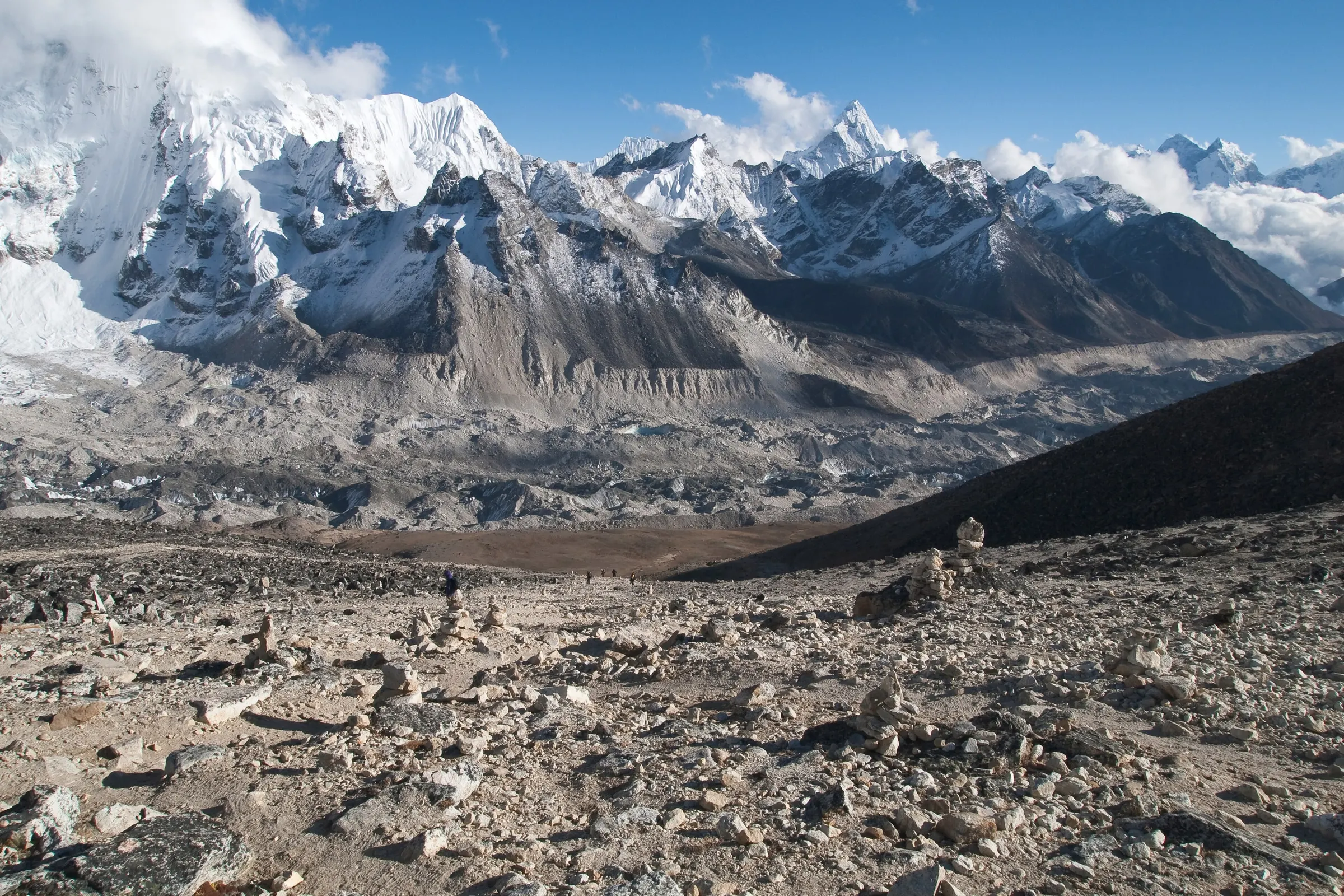
Every season we plan dozens of Everest treks, and the question we hear most is not about fitness or food. It is about altitude. That is a good instinct. The walking on the way to Base Camp is steady rather than extreme, but you sleep above 4,000 m for several nights and reach 5,545 m on Kala Patthar. This guide, checked by our senior Everest guide Ang Dorje Sherpa, explains what happens to your body up there and how we keep the risk low. It is general advice, not medical advice: speak to your doctor before you travel.
What altitude sickness is
As you climb, the air holds less oxygen with every breath. Your body can adapt, by breathing faster and making more red blood cells, but it needs time. When you climb faster than your body can adjust, you can develop acute mountain sickness, usually called AMS.
AMS is not about strength. Young, fit trekkers who march ahead often feel it first, while slower walkers arrive in good shape. It usually starts 6–12 hours after reaching a new height, which is why how high you sleep matters more than how high you walk during the day.
The warning signs to know
Mild AMS (common)
A headache, often worse at night or in the morning
Loss of appetite or feeling sick
Unusual tiredness and dizziness
Poor sleep
Serious forms (rare, but emergencies)
HAPE, fluid on the lungs: breathlessness even at rest, a wet cough, very low energy
HACE, swelling of the brain: confusion, clumsiness, trouble walking in a straight line, unusual behaviour
Mild AMS usually passes with rest at the same height. HAPE and HACE need an immediate descent and medical help.
How our itinerary helps
A good itinerary does most of the work. Ours follows the advice used by mountain doctors: above 3,000 m, raise the height you sleep at slowly, and take a rest day every few days. On the Everest trek that means two full acclimatisation days, one at Namche Bazaar (3,440 m) and one at Dingboche (4,410 m).
On rest days we still walk: up to the Everest View Hotel above Namche and partway up Nangkartshang above Dingboche. Climbing high and sleeping lower helps your body adjust, while a lazy day in bed does not.
Day 3: Phakding to Namche Bazaar (3,440 m)
Hillary Bridge · First view of Everest
6–7 hrs · 3,440 m
Cross the river several times on suspension bridges and enter Sagarmatha National Park at Monjo. The long climb after the high Hillary Bridge ends in Namche Bazaar.
Day 4: Acclimatisation day in Namche, hike to the Everest View Hotel (3,880 m)
Rest day · Khumjung village
3–4 hrs · 3,880 m
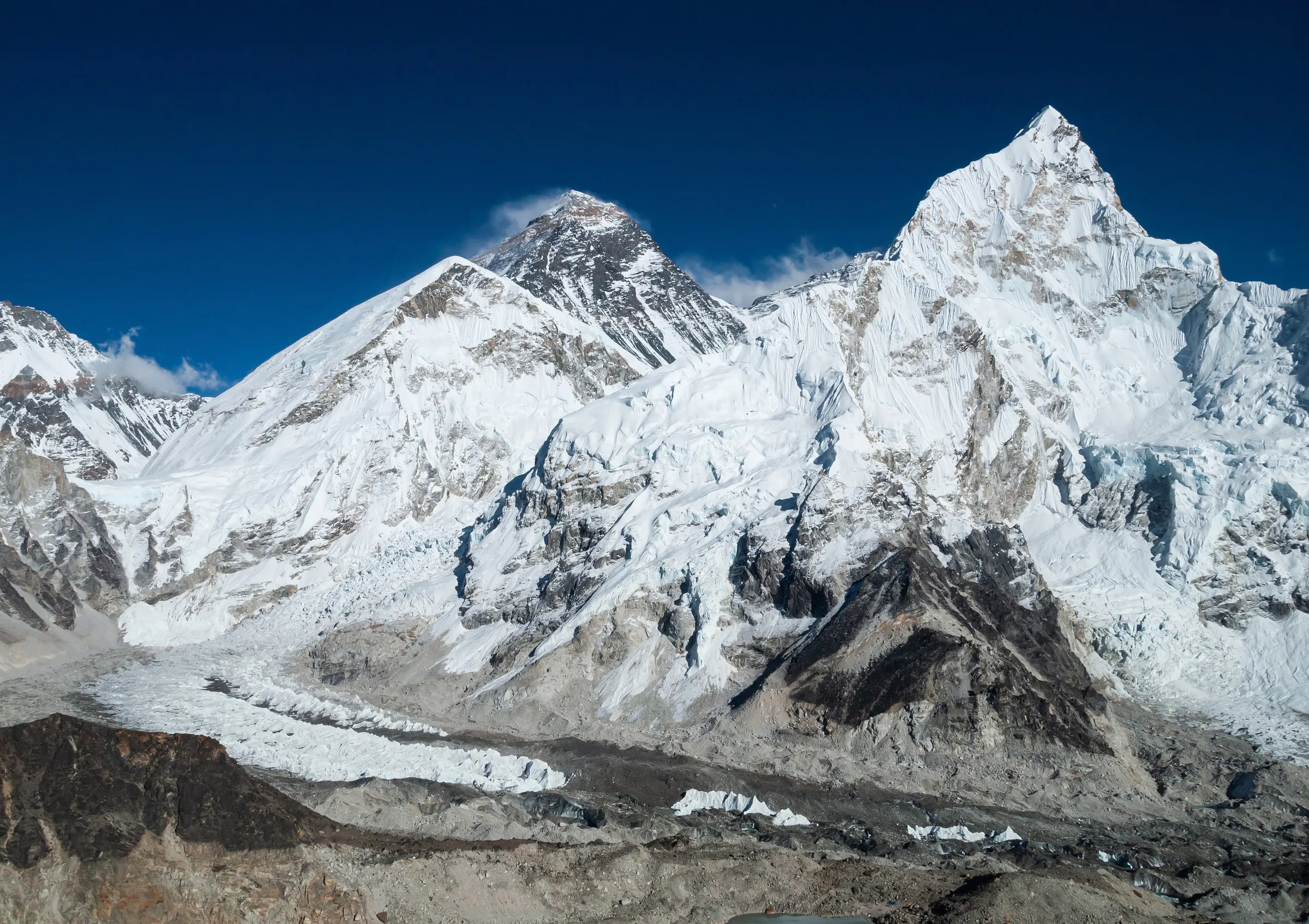
Climb high and sleep low: a morning hike above town for views of Everest and Ama Dablam, with a visit to Khumjung if you feel strong. The afternoon is free in Namche.
Day 6: Tengboche to Dingboche (4,410 m)
Pangboche village · Above the tree line
5–6 hrs · 4,410 m
Through rhododendron forest to Pangboche and above the tree line into the Imja valley. Dingboche sits among stone-walled fields below Ama Dablam and Island Peak.
Day 7: Acclimatisation day in Dingboche, hike up Nangkartshang (about 5,080 m)
Rest day · Views of Makalu and Lhotse
4–5 hrs · 5,080 m
A slow climb up the ridge above Dingboche for views of Makalu, Lhotse and Ama Dablam, then back down to rest. This day makes the next ones much easier.
Daily habits that help
- Drink 3–4 litres of water, tea or soup a day
- Eat well, even when you are not hungry: dal bhat and soup are ideal
- Skip alcohol above Namche
- Keep warm and sleep with a hat on cold nights
- Tell your guide about any headache, however small
- Let your guide check your oxygen level and pulse each morning and evening
What happens if someone gets sick
Your guide carries a first-aid kit and a pulse oximeter and checks everyone twice a day. If you have mild symptoms, we stay at the same height for an extra night, rest and drink. If symptoms get worse, we go down, usually to Pheriche or Namche, where most people recover quickly.
In the busy seasons there is an aid post run by the Himalayan Rescue Association in Pheriche, staffed by volunteer doctors. For serious cases our Kathmandu office arranges a helicopter evacuation with your insurer. That is why travel insurance with helicopter rescue to at least 5,600 m is required on every Everest trek.
Medication and preparation before you go
Some trekkers take acetazolamide (often sold as Diamox) to help with acclimatisation. It is a prescription medicine with side effects, so talk to your doctor about whether it suits you, and never use it to climb faster than the itinerary.
Fitness does not prevent altitude sickness, but it makes the long days easier and leaves you energy to adjust. Six to eight weeks of hiking, stairs and steady cardio is ideal. If you have a heart or lung condition, see your doctor before booking.
Questions about altitude before you book?
Ask our team on WhatsAppFrequently asked questions
At what altitude does altitude sickness start?
It can start above about 2,500 m, but it is most common above 3,000 m. On the Everest trek, Namche Bazaar (3,440 m) is where many people first notice the thinner air.
Can fit people get altitude sickness?
Yes. Fitness does not protect you, and fit trekkers who walk too fast are often affected. Pace and rest days matter far more than strength.
How many rest days does the Everest Base Camp trek need?
Our 14-day itinerary has two: one at Namche Bazaar and one at Dingboche. Both include a short hike higher before sleeping at the same height.
What should I do if I get a headache at altitude?
Tell your guide, rest, drink water and do not go higher that day. If it does not improve with rest, or gets worse, you go down.
Is helicopter rescue included?
Rescue is arranged by our office but paid by your travel insurance, so your policy must cover helicopter evacuation for trekking up to at least 5,600 m.