
In this guide (7 sections)
Quick answer
October and November give the clearest skies and the most reliable Lukla flights. March to May is warmer, with rhododendrons lower down and expedition tents at Base Camp. December is a good quiet choice if you are ready for very cold nights; June to August is the monsoon, and we do not recommend it.
I grew up in Khumjung, below Ama Dablam, and I have walked to Everest Base Camp in every month of the year. The trail is the same, but the experience is not. The month you choose decides how clear the mountains are, how cold your nights will be, how busy the teahouses feel and, most of all, whether your flight to Lukla leaves on time. Here is what each season is really like, and how to pick the one that fits you.
Autumn (October–November): the clearest views
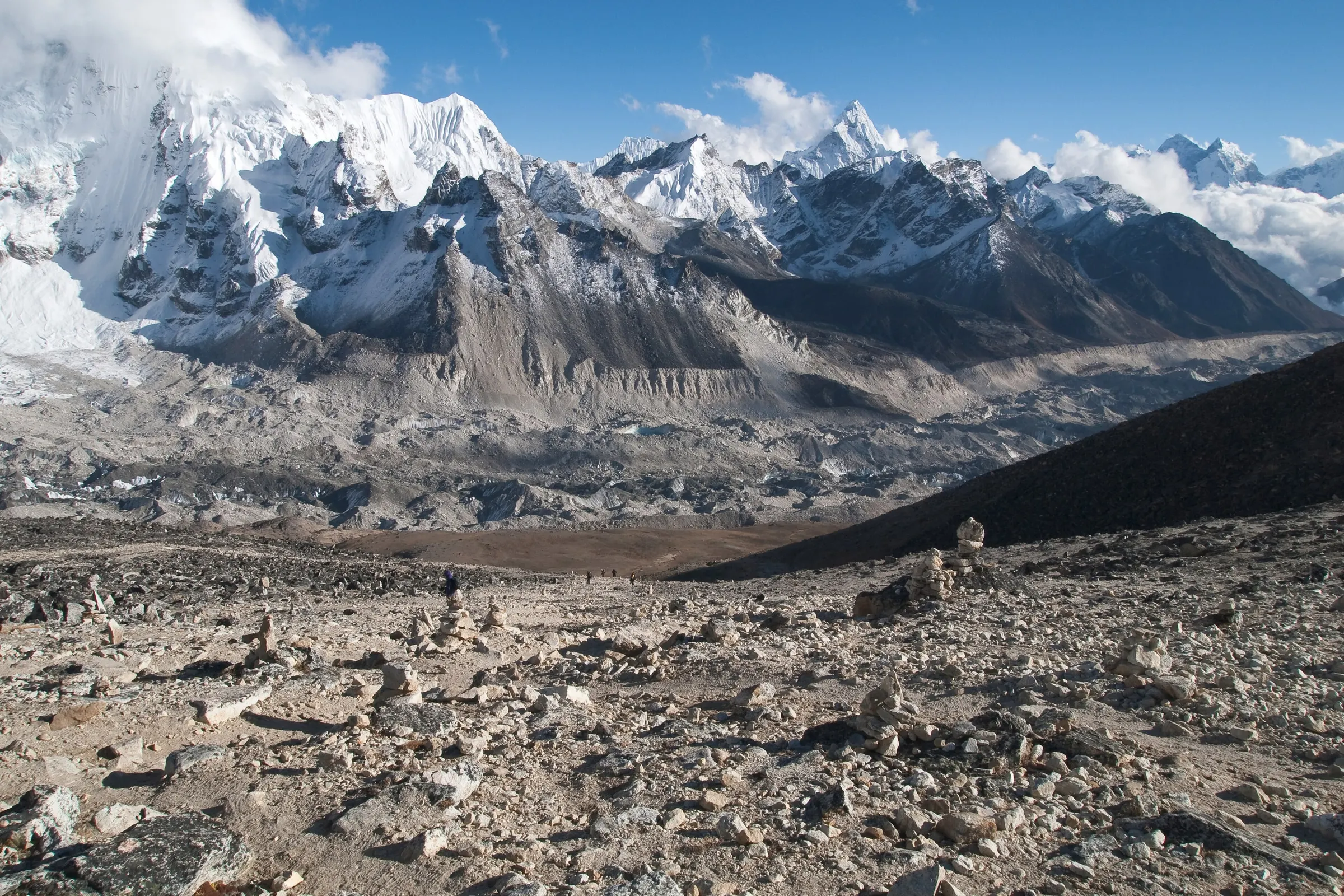
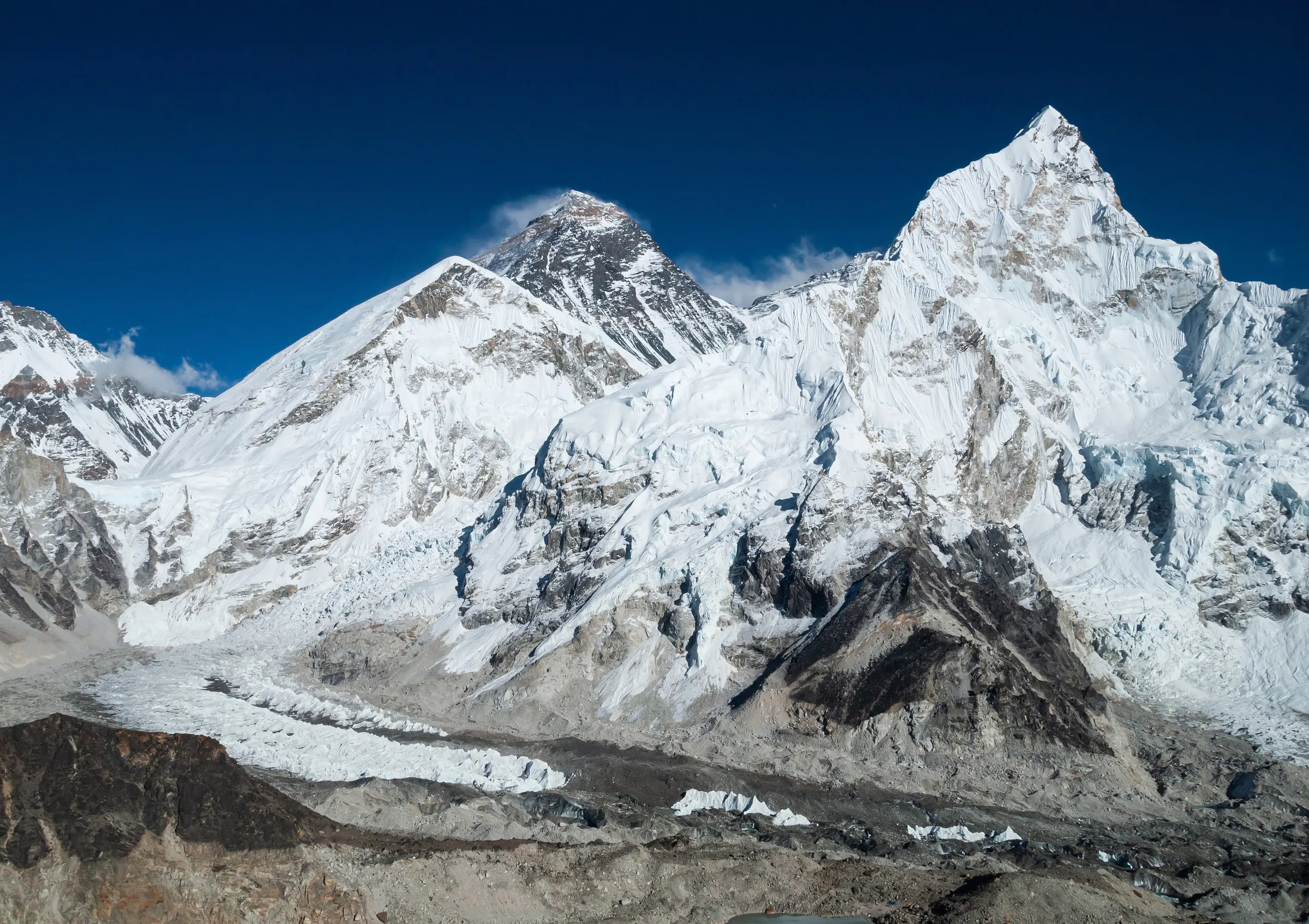
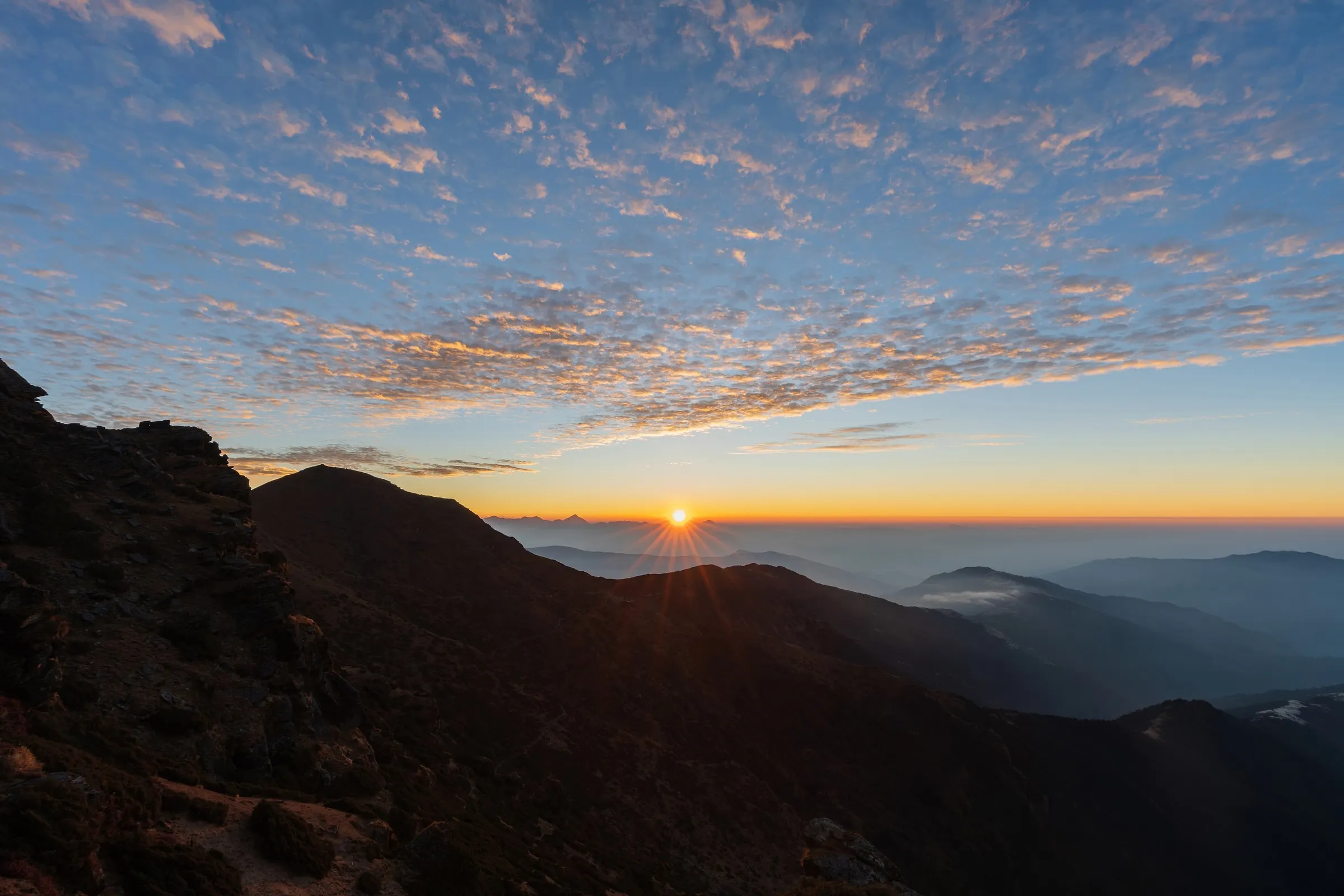
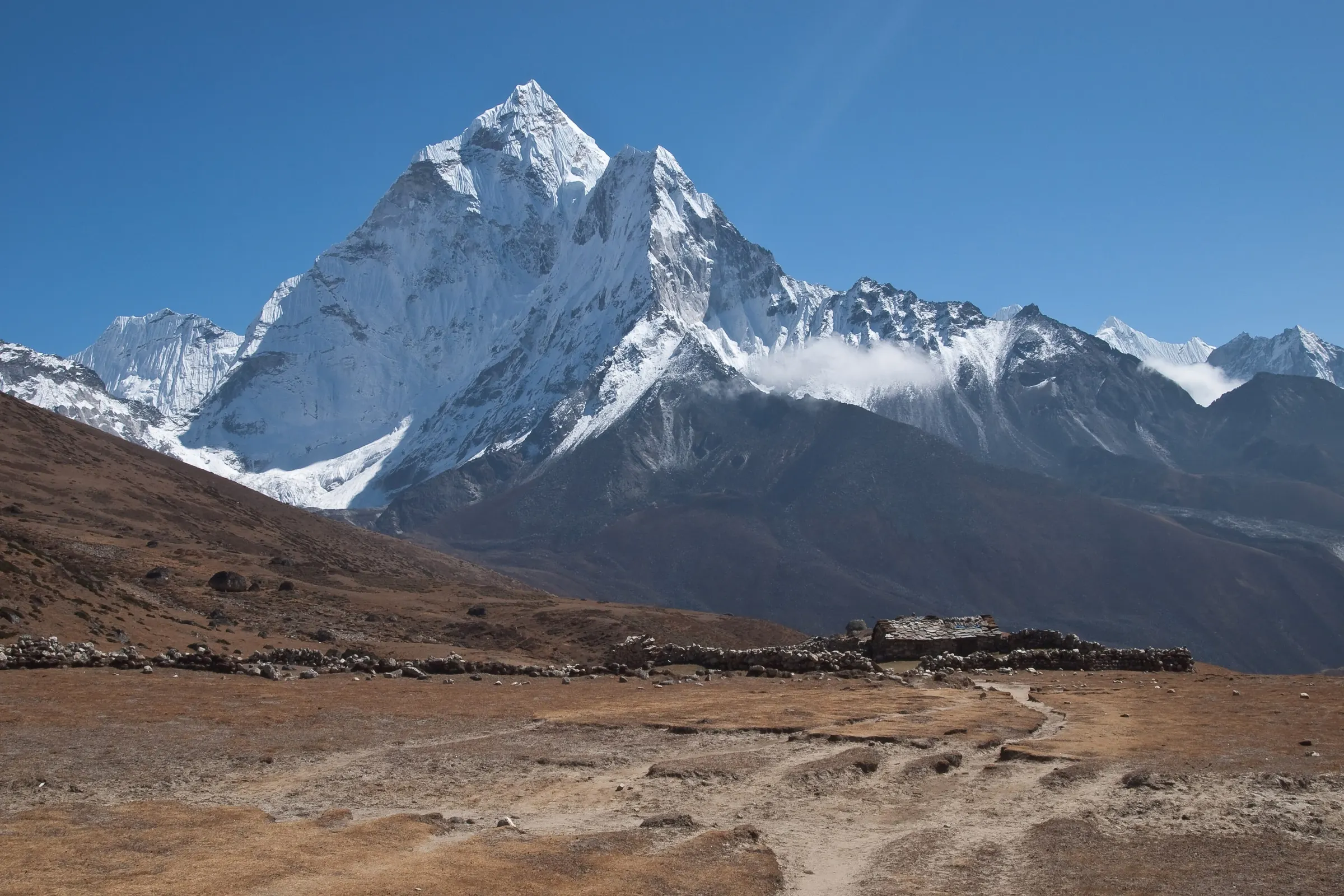
After the monsoon washes the air clean, autumn brings the most reliable mountain weather of the year. Mornings are usually cloudless, and from Kala Patthar you see Everest, Nuptse and Pumori sharp against a deep blue sky. Days on the lower trail are pleasant for walking in a shirt, while nights above Dingboche drop well below freezing.
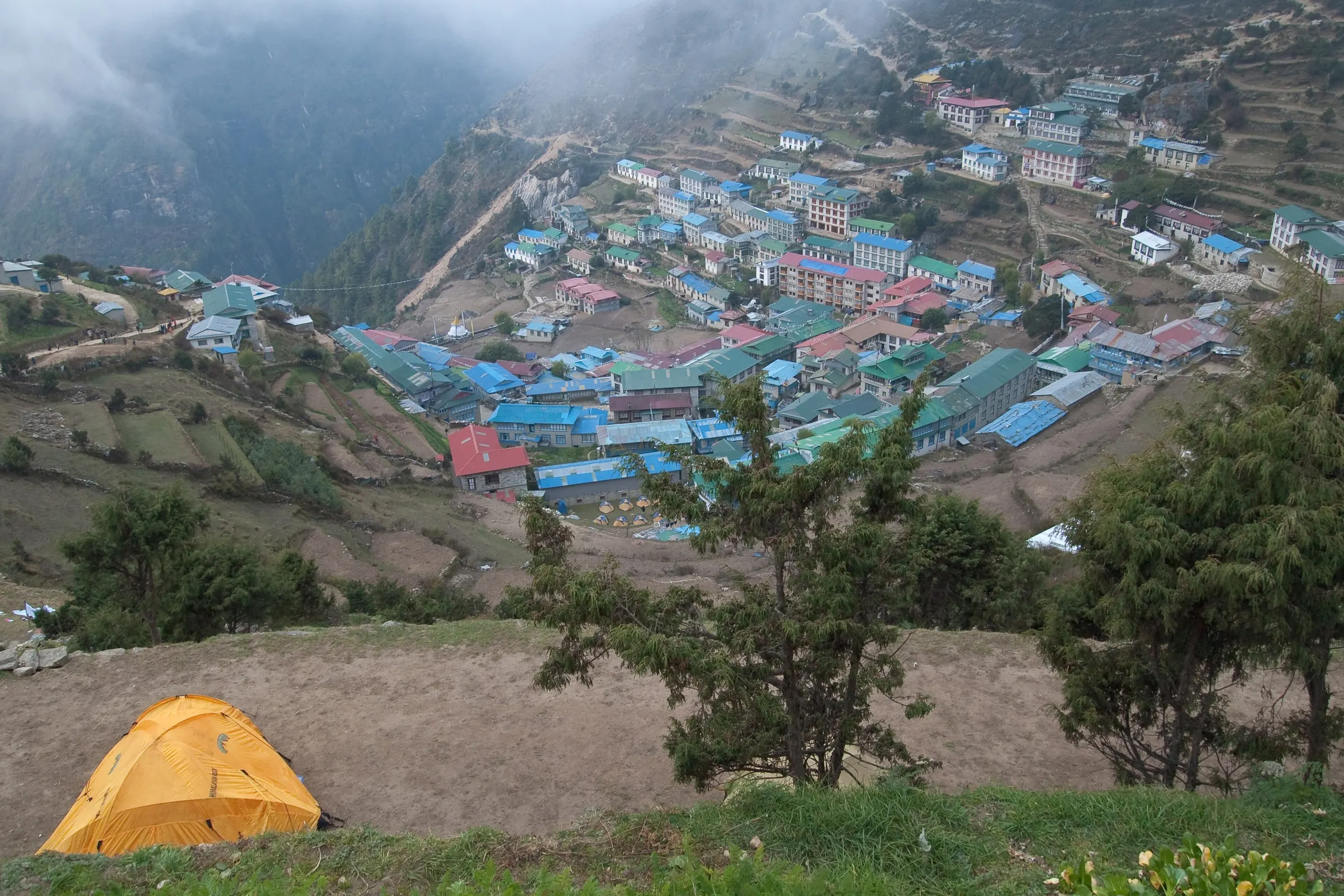
October is the busiest month in the Khumbu. Teahouses in Namche, Dingboche and Lobuche fill up, so we book rooms ahead and start walking early to keep the trail quiet. November is a little colder and noticeably calmer, and for many of our guides it is the best month of all.
Everest Base Camp month by month
| Month | On the trail | Crowds | Our verdict |
|---|---|---|---|
| January | Very cold and clear. Some high lodges close; nights at Gorak Shep far below freezing. | Very low | Possible |
| February | Still cold, days slowly warming. Snow possible on the high trail. | Low | Possible |
| March | Warmer days, rhododendrons start to flower lower down. Good views in the morning. | Medium | Best |
| April | Mild days, forest in bloom, expedition tents at Base Camp. Afternoon cloud. | Busiest | Best |
| May | Warmest month up high and the climbing season peak. Haze and cloud grow late in May. | Busy | Best |
| June | Monsoon arrives: rain lower down, cloud over the peaks, many cancelled flights. | Very low | Not ideal |
| July | Wettest month. Leeches below Namche, views rare, Lukla flights unreliable. | Very low | Not ideal |
| August | Still monsoon. Green valleys but wet trails and few clear mornings. | Very low | Not ideal |
| September | Rain eases through the month. Late September can be lovely and green. | Medium | Possible |
| October | Crystal-clear skies and stable weather. The most popular month of the year. | Busiest | Best |
| November | Clear and dry, colder nights, a little quieter than October. | Busy | Best |
| December | Cold, clear and quiet. Sharp views if you are ready for freezing nights. | Low | Possible |
Spring (March–May): warmer days and the climbing season
Spring is the second great season. Days are warmer than in autumn, the rhododendron forest below Tengboche turns red and pink, and in April and May the expedition camps go up at Base Camp. Seeing the yellow tents of the climbing teams beside the Khumbu Icefall is something many trekkers remember for life.
The trade-off is visibility. Mornings are often clear, but cloud builds after lunch and the air grows hazier towards the end of May. March can still be cold and snowy higher up, so it suits people who like quieter trails and do not mind a frosty morning.
Winter (December–February): quiet and cold
Winter skies in the Khumbu are often perfectly clear, and the trail is the quietest of the year. December in particular can be beautiful: settled weather, sharp views and teahouse owners with time to talk.
It is also seriously cold. Nights at Gorak Shep fall below −20 °C, water bottles freeze inside the room and a few lodges higher up close for the season. Snow can cover the trail between Lobuche and Gorak Shep after a storm. With a good down jacket, a sleeping bag rated to about −20 °C and a flexible attitude, winter is a rewarding time to go.
The monsoon (June–September)
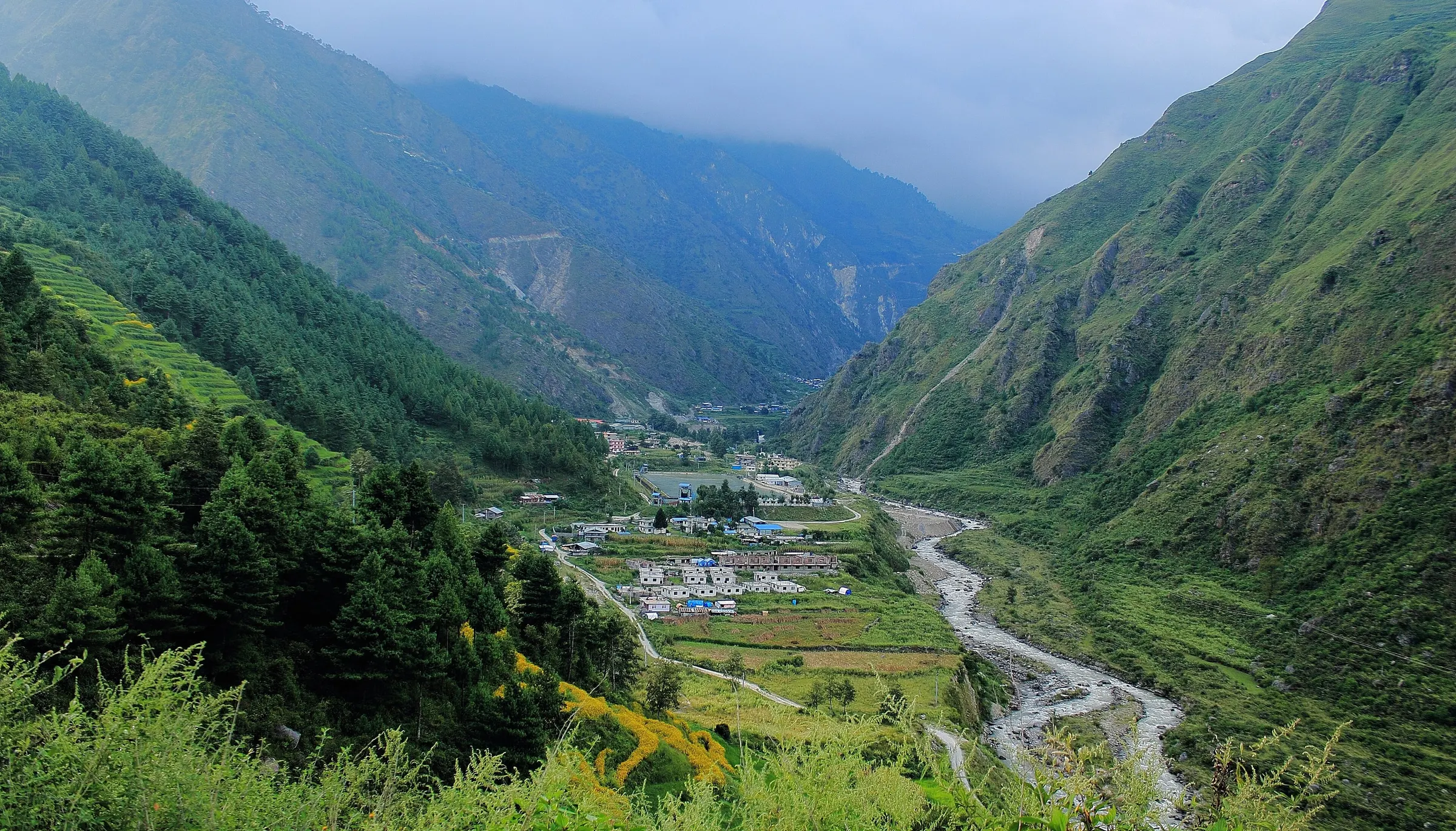
The Khumbu sits higher and drier than much of Nepal, but the monsoon still reaches it. Most days start cloudy, rain comes in the afternoon and the big peaks hide for days at a time. The bigger problem is the flight: Lukla depends on clear weather in a narrow valley, and in summer delays of several days are common.
September is a month of change. The rain usually eases in the second half, the valleys are green and the trail is quiet before the October rush. If you can only travel in September, aim for the last week and keep two spare days for the flight.
How to choose your month
There is no single best month; there is a best month for you. Use these as a guide:
For the clearest views: mid-October to late November.
For warmer days and flowers: late March to early May.
To see expedition camps at Base Camp: April or early May.
For quiet trails: early December or March, with warm gear.
If your dates are fixed in summer: consider a lower trek and keep the Khumbu for autumn.
Whatever month you choose, plan one or two spare days at the end of your trip. Mountain weather does not read your flight ticket.
Not sure which month suits you?
Ask about dates on WhatsAppFrequently asked questions
What is the best month to trek to Everest Base Camp?
October and November give the clearest skies and the most reliable flights. April is the best spring month, with warm days and the climbing season at Base Camp.
Can I trek to Everest Base Camp in winter?
Yes. December to February is clear and quiet, but very cold, with nights below −20 °C at Gorak Shep. You need warm gear and a little flexibility if snow falls.
Is the monsoon a bad time for Everest Base Camp?
It is the hardest time. Rain, cloud and frequent Lukla flight delays make June to August unreliable. If you must go then, keep extra days and expect few mountain views.
When is Everest Base Camp busiest?
October is the busiest month, followed by April. We book teahouses ahead and start walking early to avoid the crowds on the trail.
When can I see the climbers' tents at Base Camp?
From about mid-April to late May, when the expedition teams prepare to climb Everest. Outside these weeks Base Camp is a quiet field of rock and ice.