In this guide (9 sections)
Quick answer
October and November are the best months to trek in the Annapurna region: clear skies after the monsoon and settled weather for Thorong La. March to May comes a close second, with warm days and rhododendrons in flower. Winter suits lower treks like Poon Hill, and June to August is the monsoon.
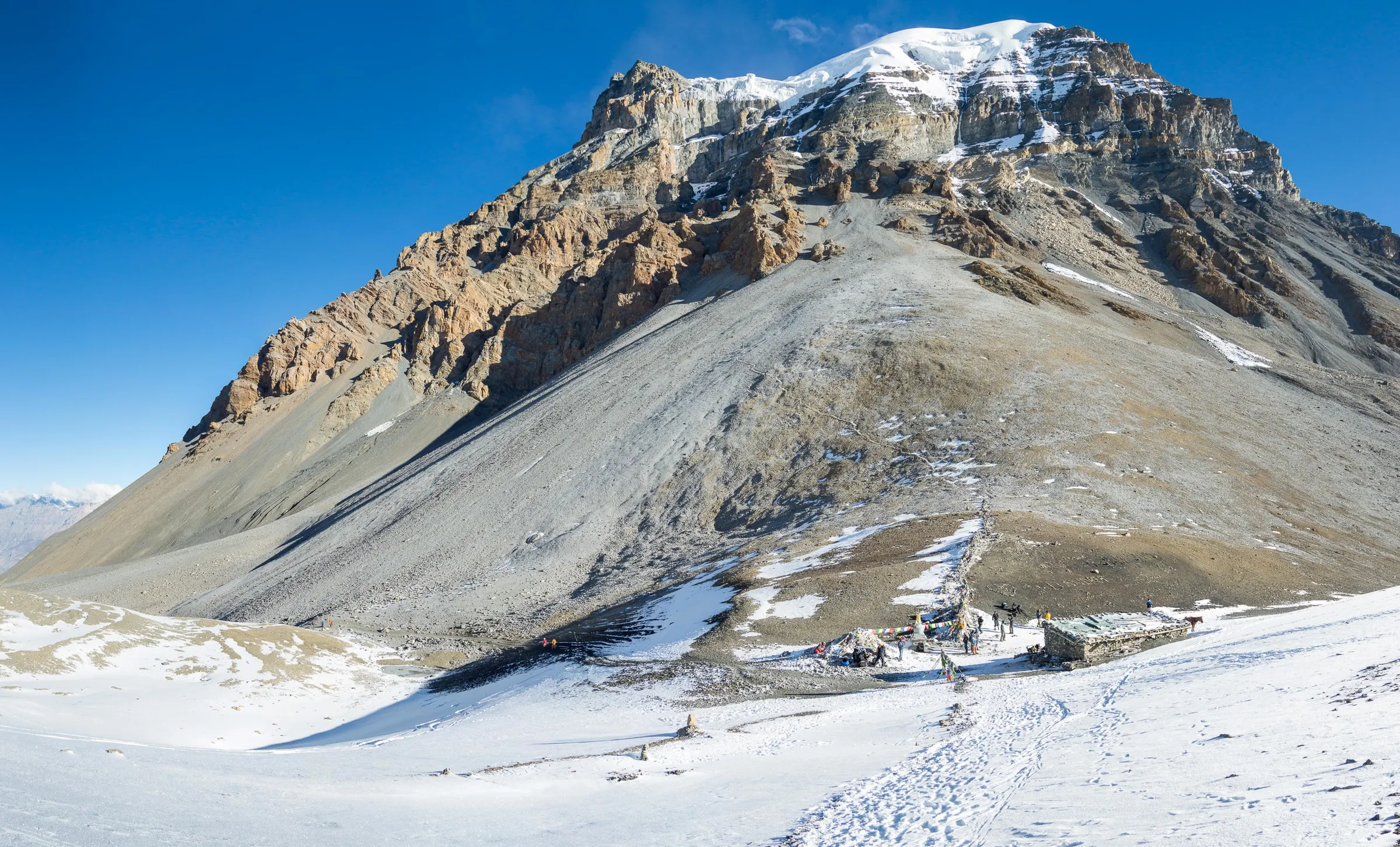
The Annapurna region covers a huge range of heights, from rice terraces near Pokhara to Thorong La at 5,416 m. That means the best time depends on which trek you choose. A sunrise walk to Poon Hill works in almost every month except the wettest. Sleeping at Annapurna Base Camp or crossing Thorong La needs the settled weather of autumn or spring.
We plan treks here all year from our office in Kathmandu, and our guides walk these trails every season. This is how the year really looks on the ground.
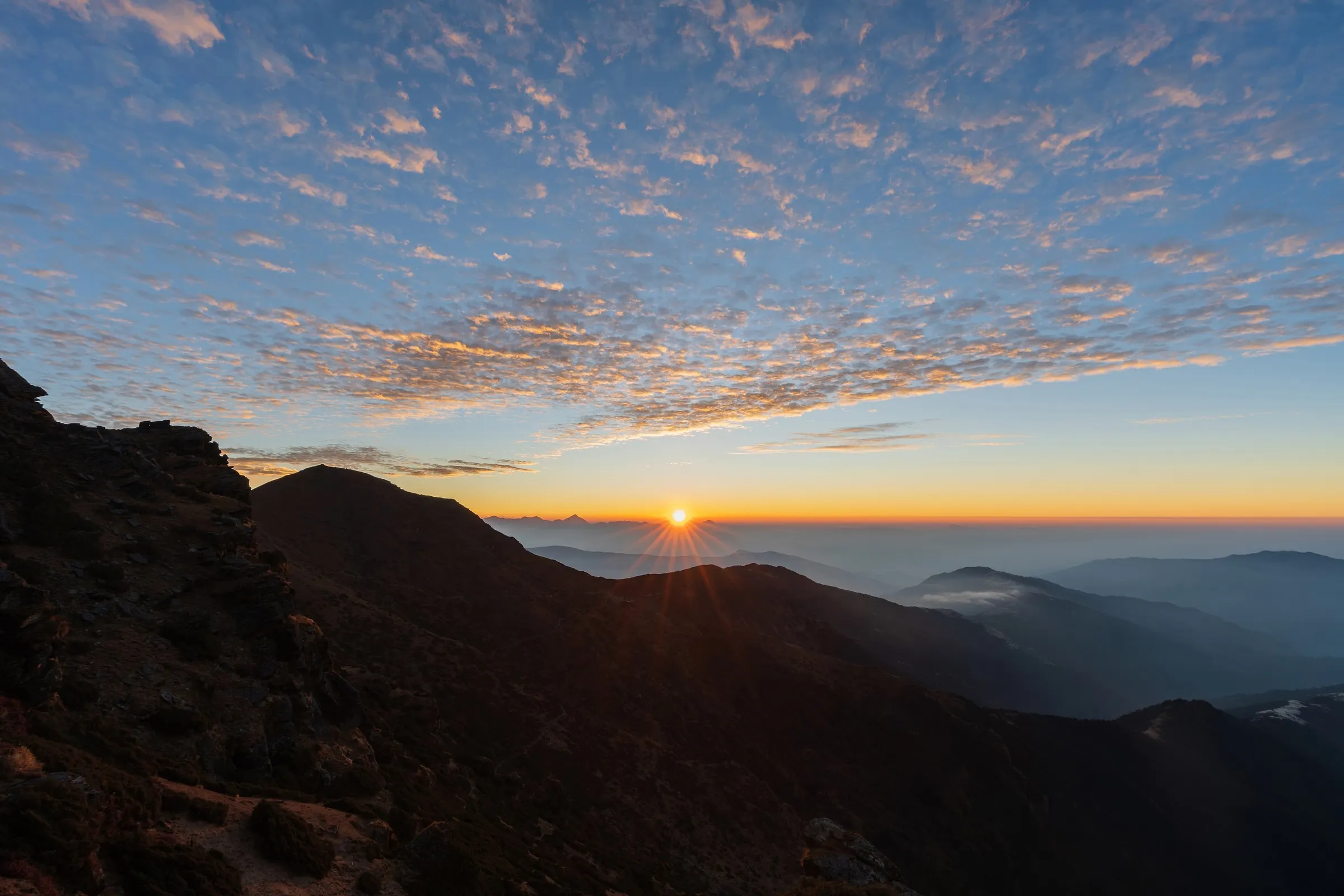
Autumn (October–November): the clearest views
After the monsoon the air is washed clean, and the mountains stay sharp from dawn to dusk. Days at Annapurna Base Camp are often bright and still, and by mid-October the snow on Thorong La is usually firm and well trodden.
It is also the busiest time of the year. Teahouses at Ghorepani, Chhomrong and Thorong Phedi fill up, so we reserve rooms ahead for our groups and start the day early to stay ahead of the crowds on the steep sections.
Daytime: pleasant and sunny in the middle hills
Nights: around or below freezing above about 3,500 m
Festivals: Dashain and Tihar often fall in this season, a lovely time to be in the villages
Annapurna month by month
| Month | On the trail | Crowds | Our verdict |
|---|---|---|---|
| January | Clear and cold; Poon Hill is lovely, the high passes are often closed | Low | Possible |
| February | Cold mornings, longer days; snow is possible above 3,500 m | Low | Possible |
| March | Rhododendrons start to bloom; warm days and cool nights | Medium | Best |
| April | Peak bloom and long days; cloud often builds after lunch | Busy | Best |
| May | Warm and hazier; a good month for the high Circuit | Medium | Best |
| June | Monsoon begins; wet trails and leeches south of the range | Low | Not ideal |
| July | Heavy rain in the south; Manang and Mustang stay drier | Very low | Not ideal |
| August | Rain and landslides on the roads; peaks mostly in cloud | Very low | Not ideal |
| September | Rain eases late in the month; green, quiet trails | Medium | Possible |
| October | Clearest skies of the year and festival time; the busiest month | Busiest | Best |
| November | Crisp and clear with colder nights; still busy | Busy | Best |
| December | Dry and quiet; very cold at Base Camp, the pass may close | Low | Possible |
Spring (March–May): rhododendrons and long days
Spring is our second favourite season. The forests around Ghorepani, Tadapani and the lower Sanctuary turn red and pink with rhododendron, Nepal's national flower, usually at their best from mid-March to April.
Mornings are clear and warm, but cloud tends to build in the afternoon, and haze grows towards May. Thorong La is normally open, though early March can still bring fresh snow. Walk early and enjoy the views before lunch.
Winter (December–February): quiet and clear lower down
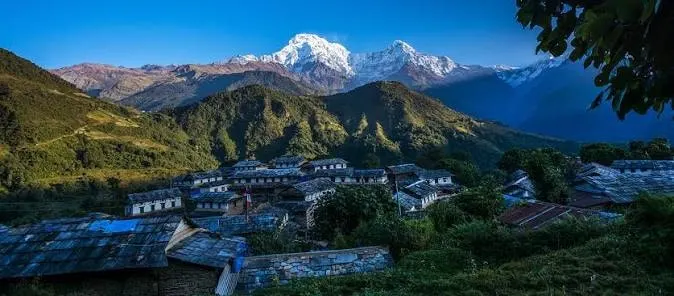
Winter brings dry, clear days and almost empty trails. Lower treks such as Poon Hill and the walk to Ghandruk are lovely, with sharp views of Dhaulagiri and Annapurna South.
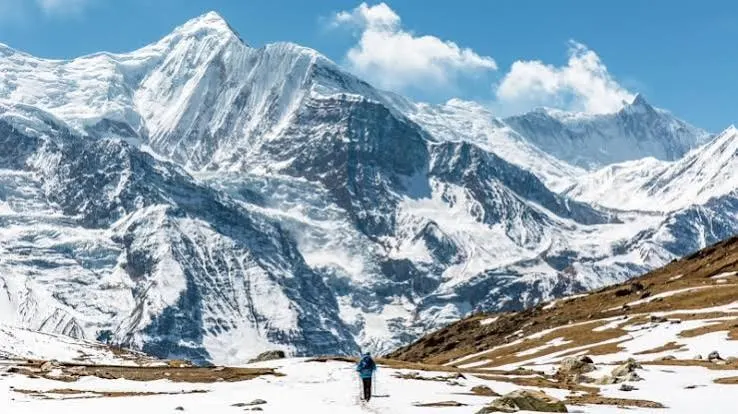
Higher up it is a different story. Nights at Annapurna Base Camp drop well below freezing, and after heavy snow the narrow valley between Deurali and Machhapuchhre Base Camp carries a real avalanche risk. Thorong La is often closed. If you come in winter, choose a lower route or talk to us about conditions first.
Monsoon (June–August): the rain-shadow option
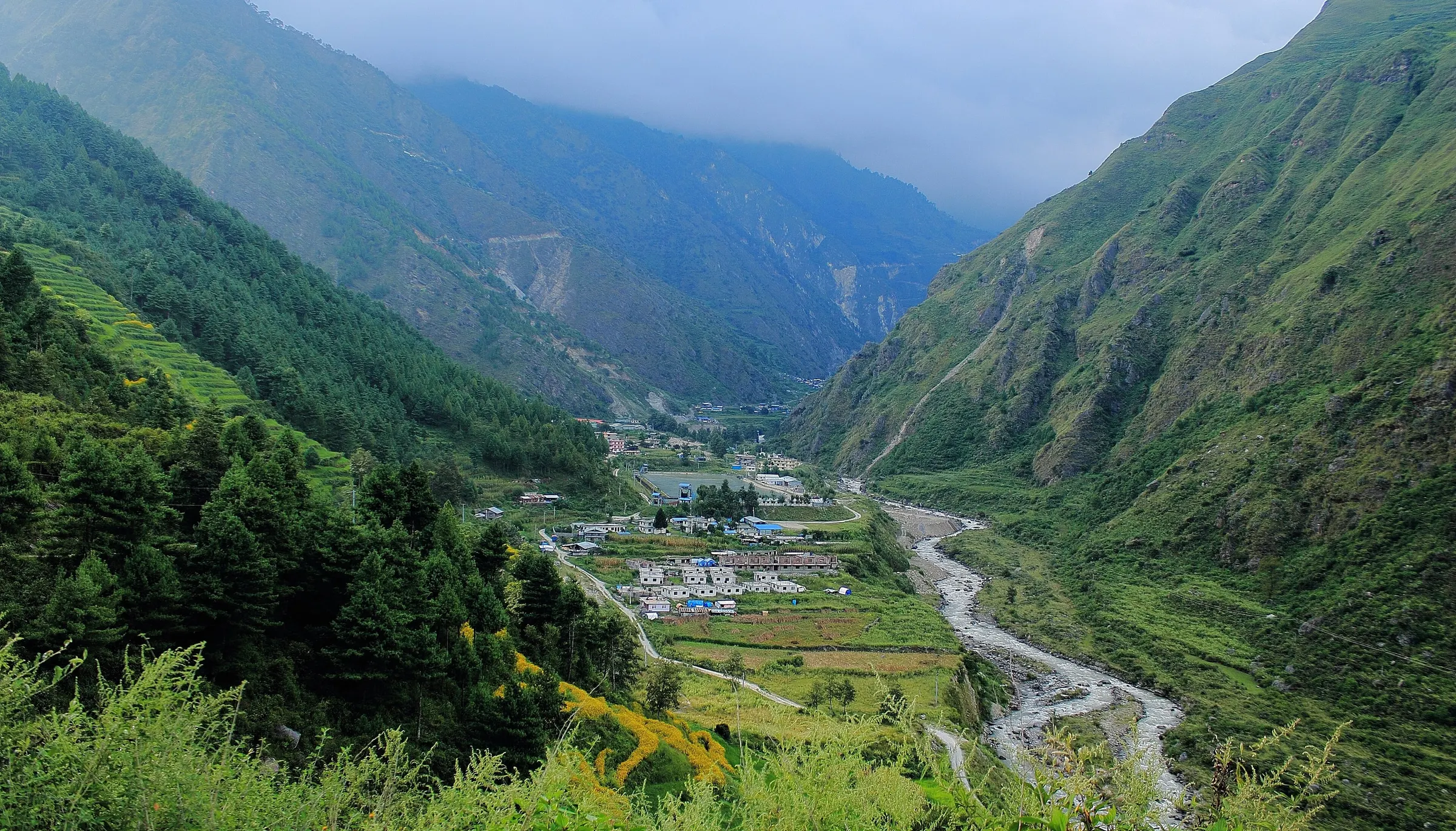
From June to August the monsoon brings rain most days to the southern side of the range. Trails around Ghorepani and Chhomrong are muddy and full of leeches, roads can be cut by landslides, and the peaks hide in cloud.
Behind the mountains, in Manang and Mustang, it is much drier. If summer is the only time you can come, the upper Annapurna Circuit is the better choice. Expect delays on the roads in and out, and keep a spare day or two.
Which month for which trek?
Each trek in the region has its own best window. As a rule of thumb:
Poon Hill: every month except June to August. December and January are clear and quiet.
Annapurna Base Camp: October–November, then March–April. Avoid deep winter and the monsoon.
Annapurna Circuit: October–November, then April–May. Late March works when the pass is open.
Mardi Himal: October–November and March–April, when the ridge above High Camp is clear of deep snow. See Mardi Himal.
Crowds, teahouses and booking ahead
In October and early November, the most popular stops fill early in the afternoon. Walking with a guide helps, because rooms are arranged in advance and you are not racing other groups up the hill.
If you want quiet trails in good weather, aim for late November or the first half of March. The views are still excellent, the lodges are calmer, and you often have the viewpoints almost to yourself.
What to pack for each season
The Annapurna trails start low and warm, so every season needs layers. The difference is how warm you need to be at the top.
Autumn: a down jacket and a sleeping bag for cold nights high up; sun protection for bright days
Spring: lighter layers lower down, a rain jacket for afternoon showers, still a warm jacket for Base Camp or the pass
Winter: your warmest jacket, gloves and sleeping bag; microspikes if you plan to go high
Monsoon: a good rain jacket, a pack cover, quick-dry clothes and leech socks for the lower trails
Choose your Annapurna dates with us
Ask about dates on WhatsAppFrequently asked questions
What is the best month to trek in the Annapurna region?
October is the most reliable month, closely followed by November. In spring, April is usually the best, with rhododendrons in bloom and long days.
Can I trek Annapurna in December?
Yes. Lower treks like Poon Hill are wonderful in December: dry, clear and quiet. Annapurna Base Camp is possible but very cold, and Thorong La may be closed after snow.
Is it worth trekking Annapurna in the monsoon?
Only if you choose the route carefully. The upper Circuit, in the rain shadow, stays much drier. The southern trails are wet, with leeches and few mountain views.
When do the rhododendrons bloom?
Usually from mid-March to April, a little later higher up. The forests between Ghorepani and Tadapani are among the best places to see them.
How cold is it at Annapurna Base Camp?
In autumn and spring, days can be pleasant in the sun, but nights fall below freezing. Winter nights are much colder, so bring a warm sleeping bag whatever the season.