In this guide (8 sections)
Quick answer
Choose Poon Hill if you have about a week in Nepal and want an easy trek with a famous sunrise over Dhaulagiri. Choose Annapurna Base Camp if you have 10–12 days and want to stand inside the Annapurna Sanctuary, ringed by peaks over 7,000 m.
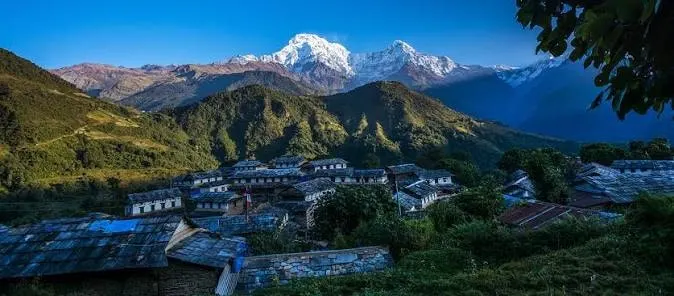
I grew up in Ghandruk, a Gurung village that sits on both routes, and I have walked them both more times than I can count. Trekkers often ask me which one to choose. My honest answer: they are different kinds of trip, not a better one and a worse one.
Here is how I explain the difference to the families and friends I guide.
| Poon Hill Trek | Annapurna Base Camp Trek | |
|---|---|---|
| Days | 5 | 11 |
| Difficulty | Easy | Moderate |
| Highest point | 3,210 m | 4,130 m |
| Best months | Oct–Apr | Mar–May, Oct–Nov |
| From | $430 | $850 |
The short answer: time and altitude
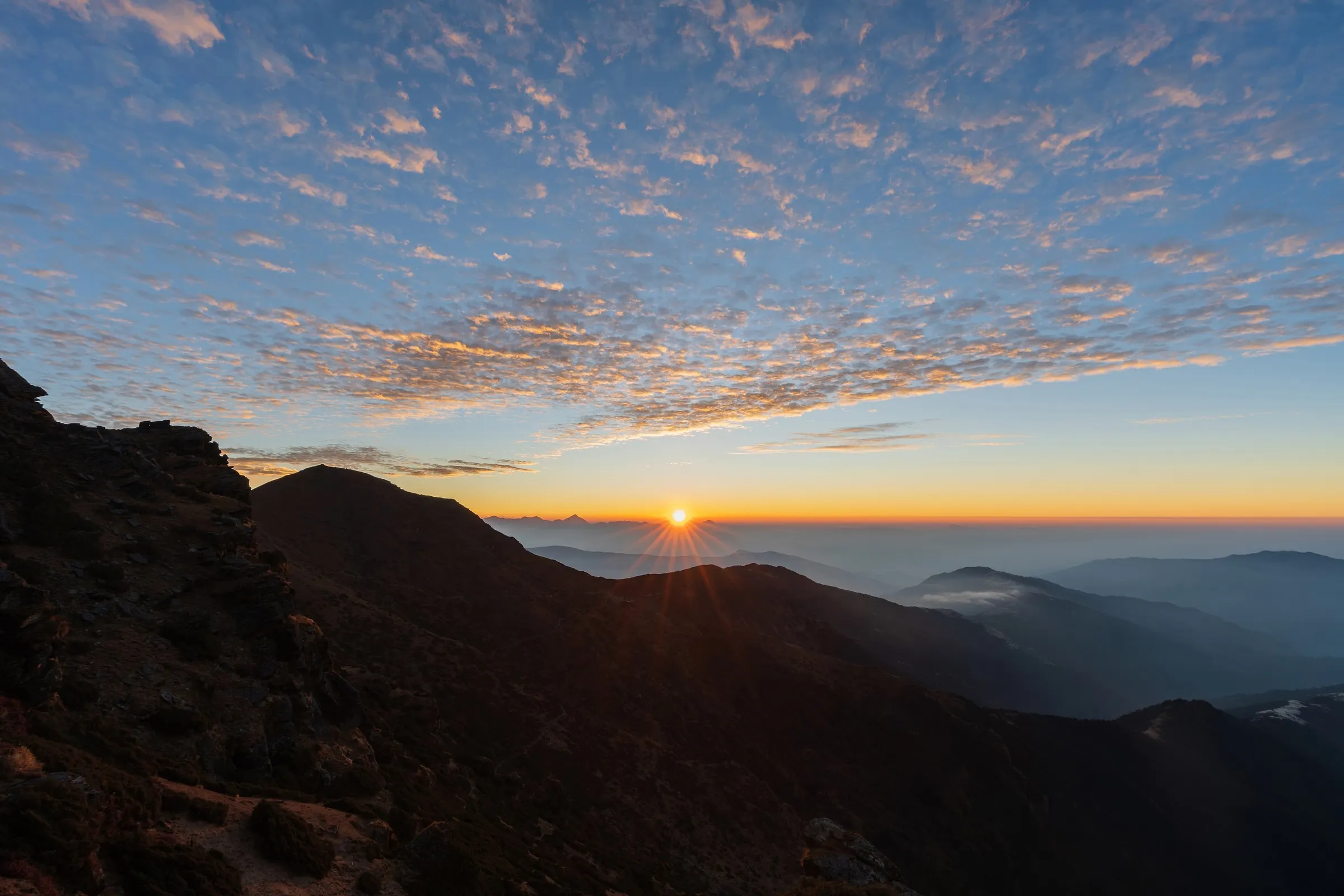
Poon Hill is a 4–5 day loop through villages and rhododendron forest. The highest point is the viewpoint itself at 3,210 m, which you climb at dawn from Ghorepani (2,860 m). Altitude is rarely a problem, and you are back in Pokhara within the week.
Annapurna Base Camp goes much deeper into the mountains. You follow the Modi Khola valley up into the Sanctuary and sleep at 4,130 m, surrounded by Annapurna I, Annapurna South, Hiunchuli and Machapuchare. Our itinerary takes 11 days from Kathmandu, with about 8 days on the trail.
What you will see on each trek
Poon Hill
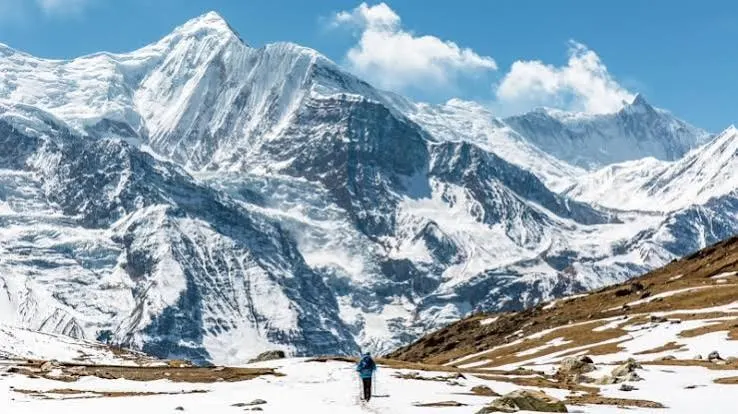
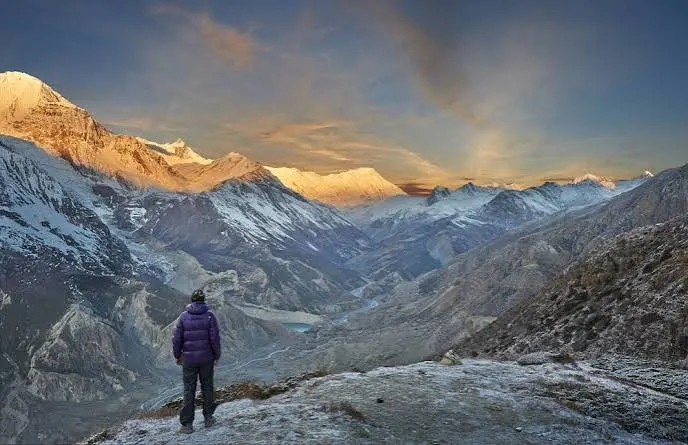
Sunrise over Dhaulagiri and the Annapurna South massif from the viewpoint
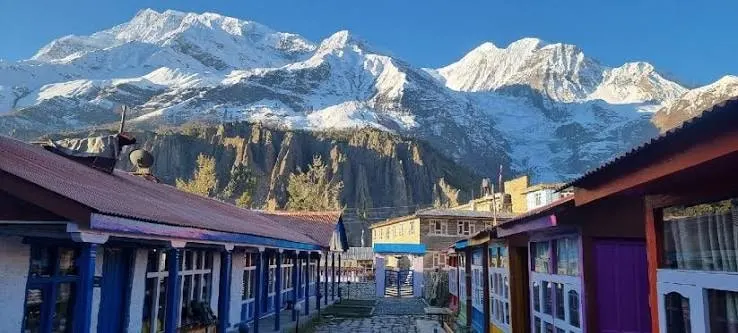
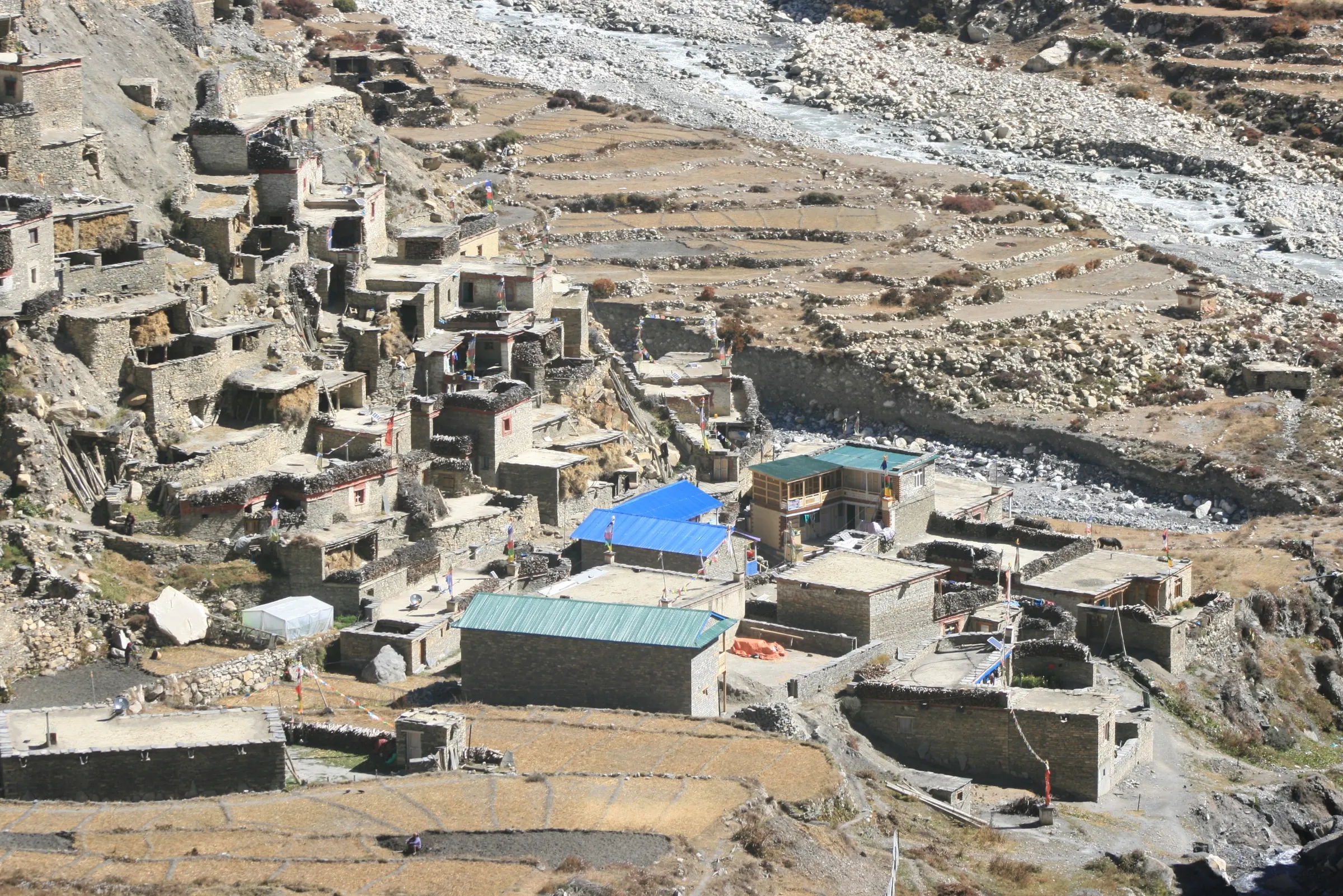
Stone villages such as Ulleri, Ghorepani and Ghandruk
Some of the best rhododendron forest in Nepal in spring
Annapurna Base Camp
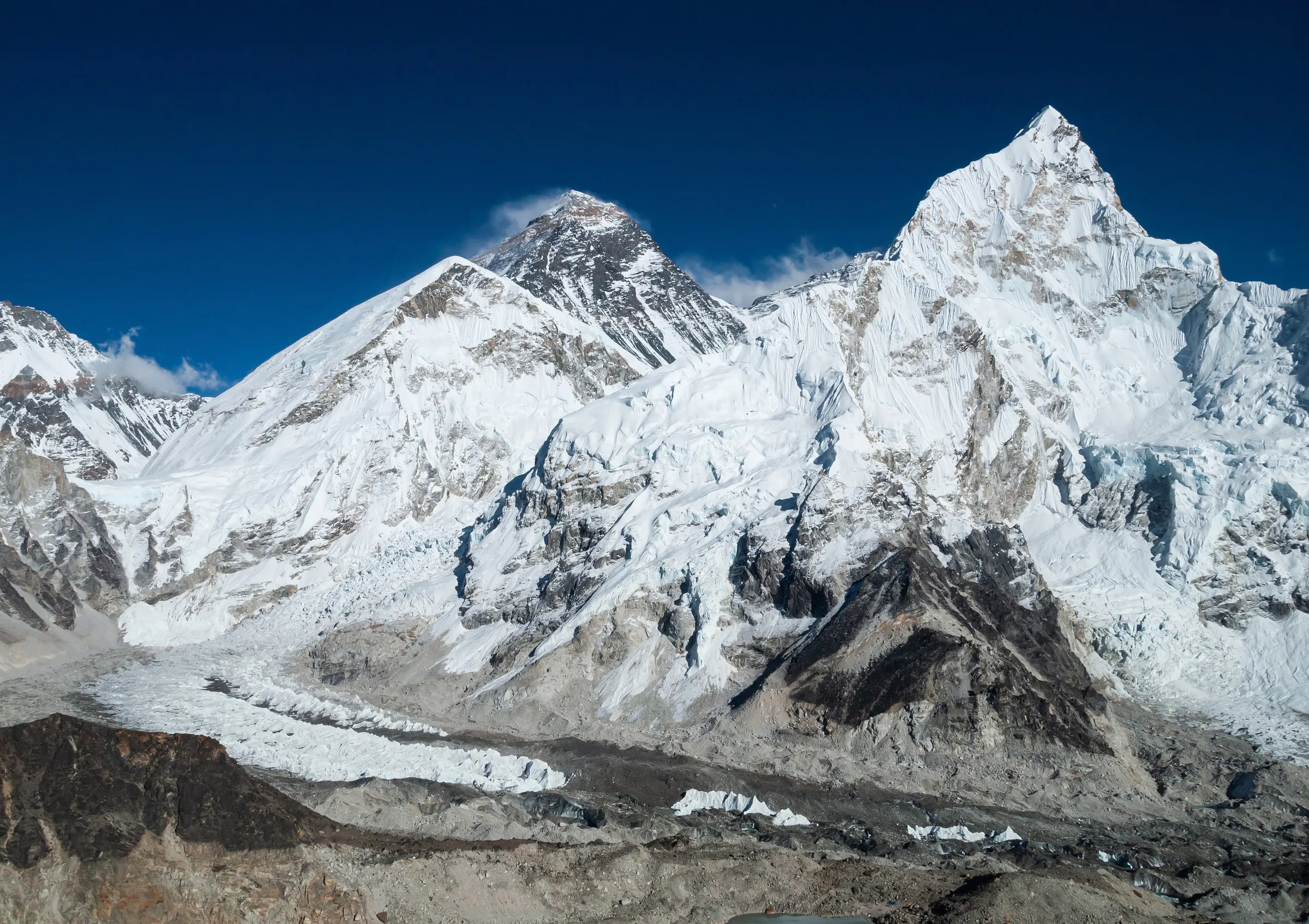
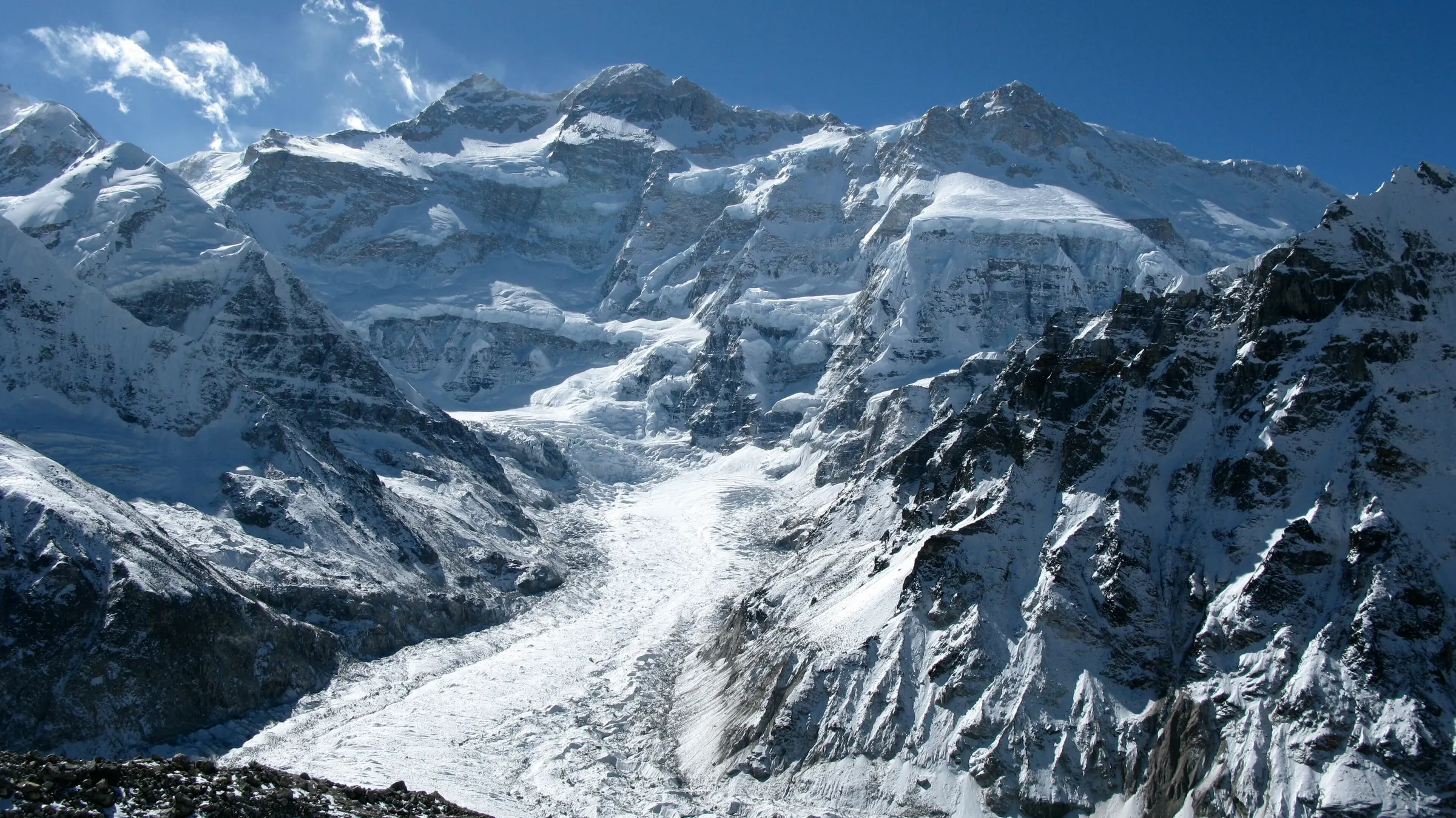
The walls of the Sanctuary from inside, with Annapurna I (8,091 m) above the glacier
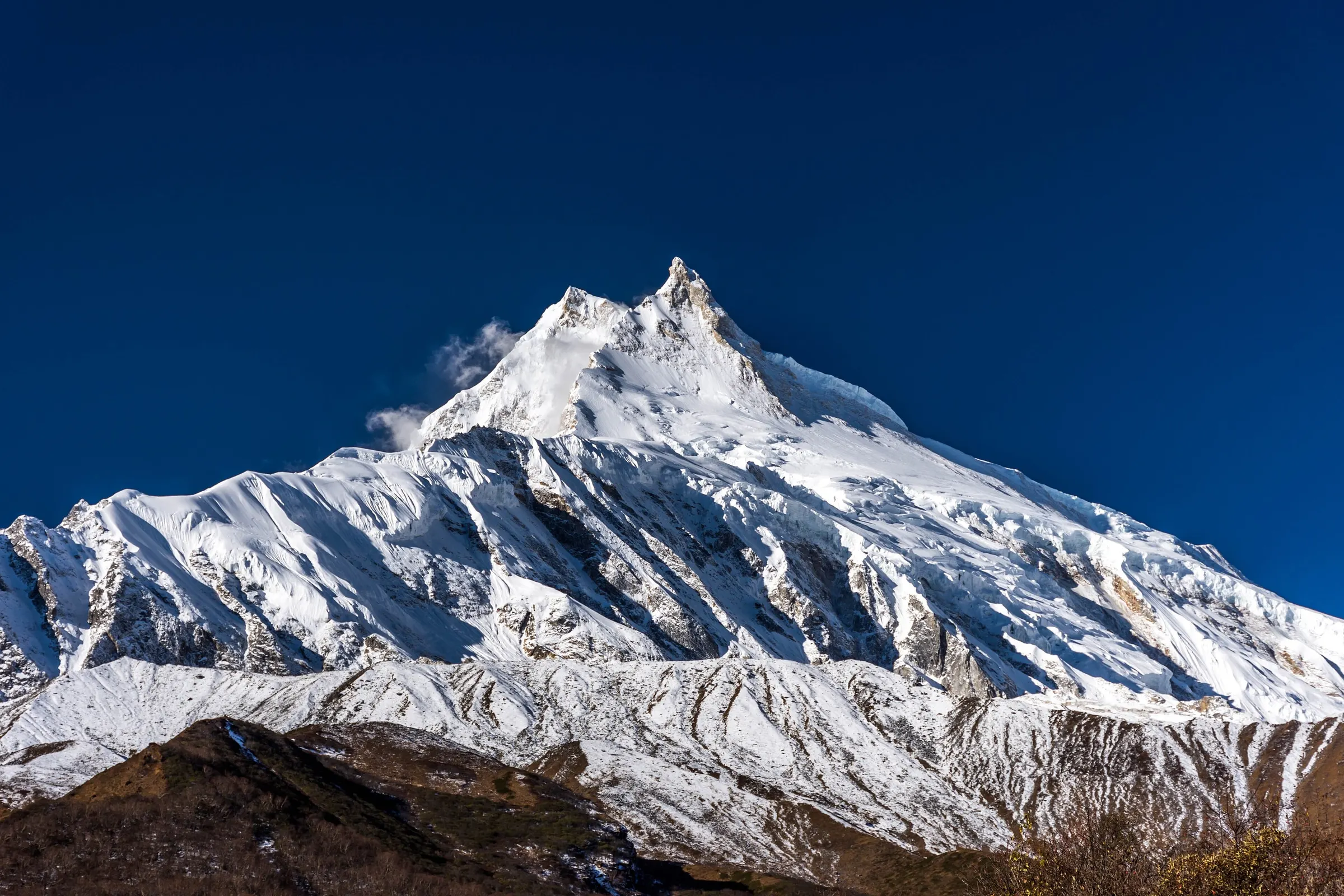
Machapuchare's fishtail summit from directly below
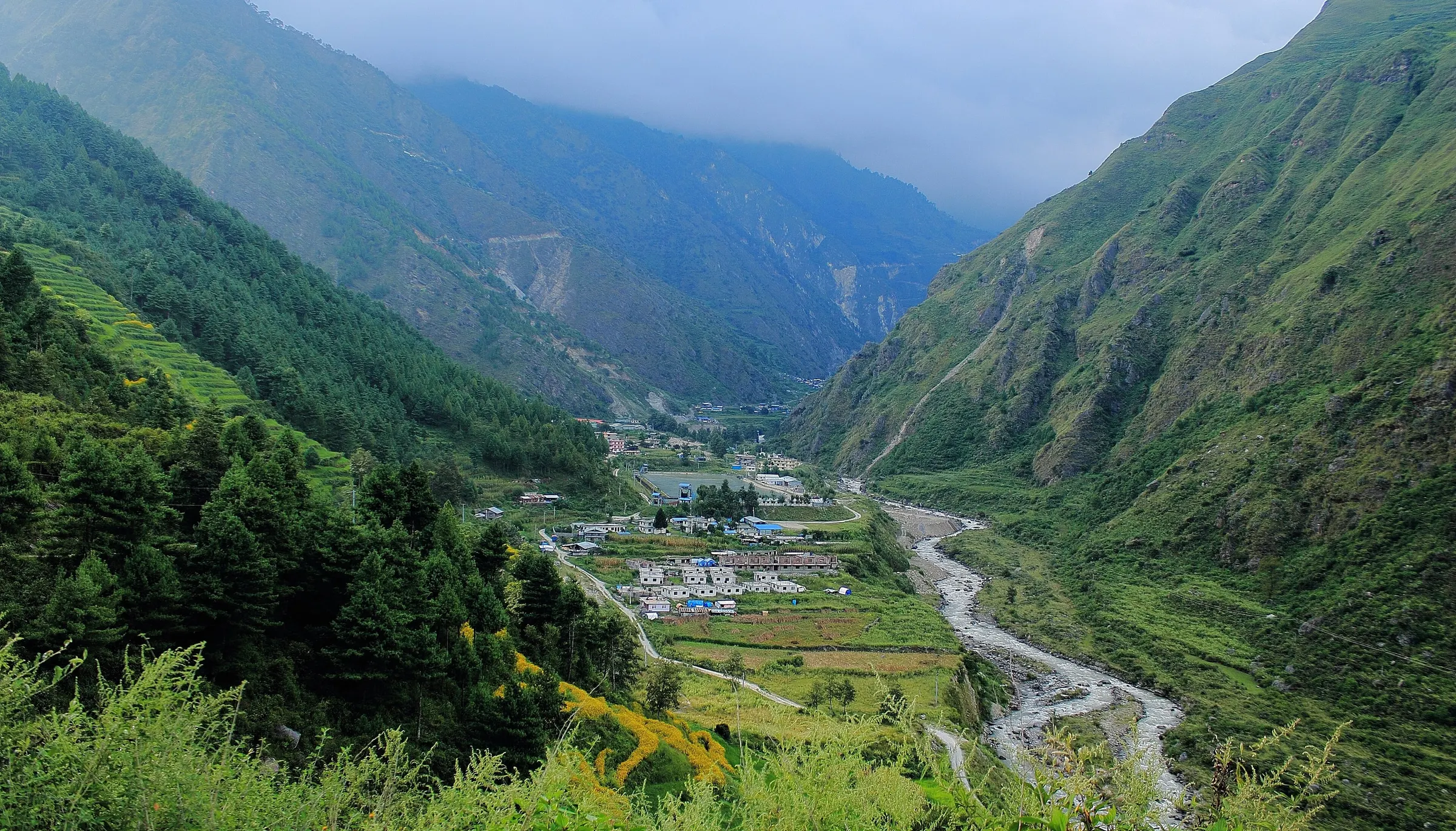
The deep gorge of the Modi Khola and the natural hot springs at Jhinu Danda on the way down
Day 6: Bamboo to Deurali (3,230 m)
Dovan · Himalaya · Forest gives way to the gorge
5–6 hrs · 3,230 m
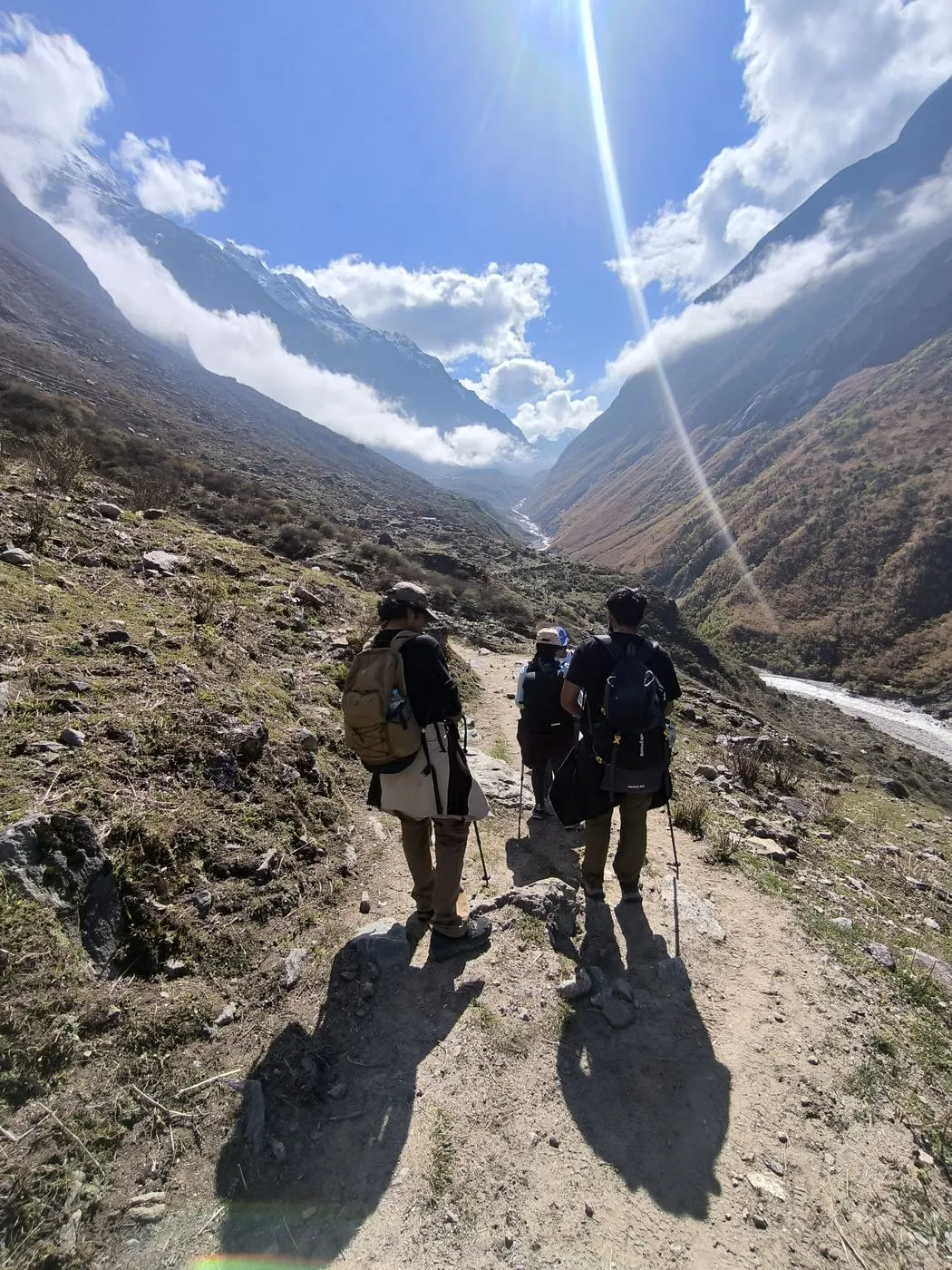
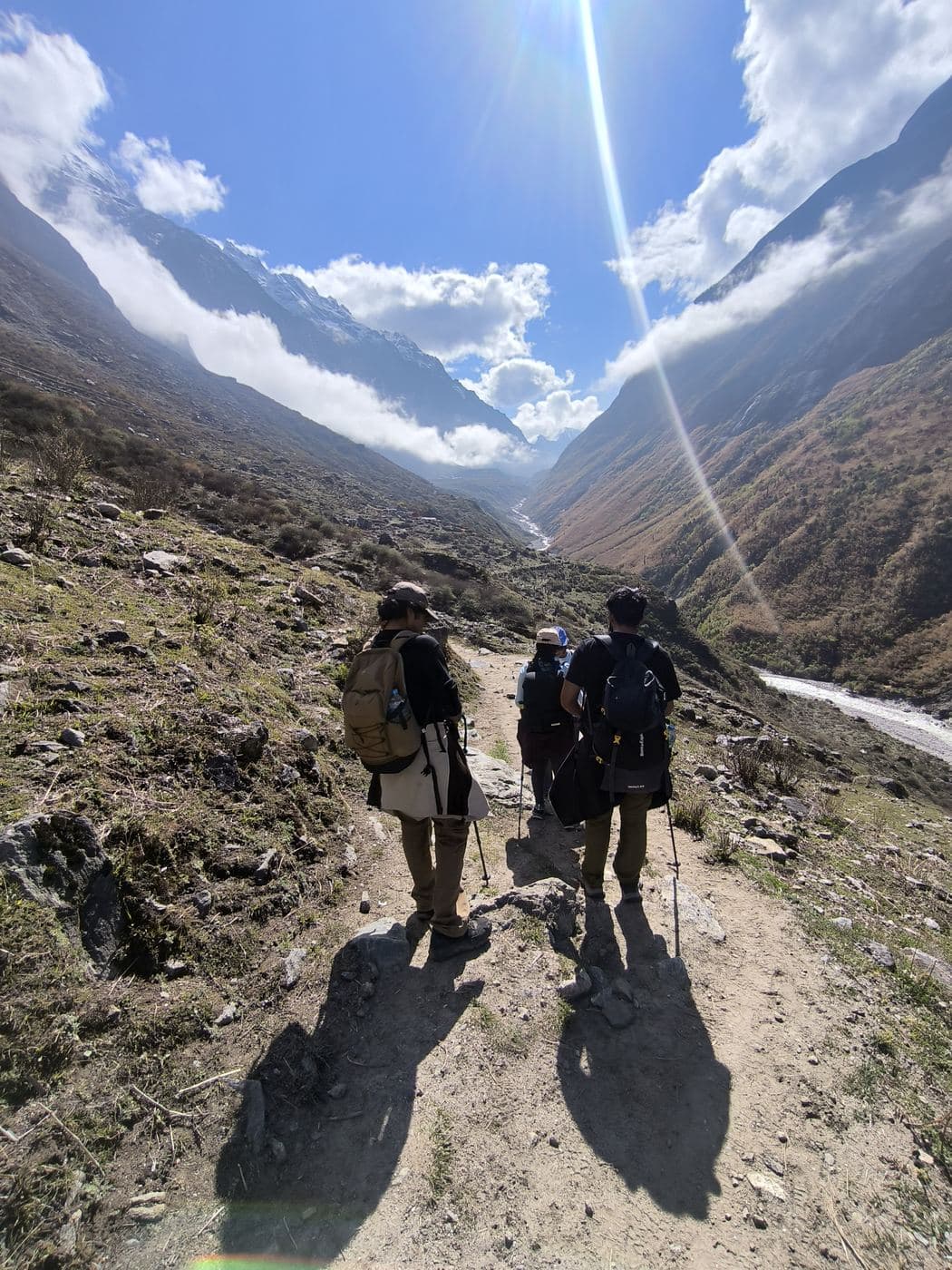
Follow the river upstream past Dovan and Himalaya. The trees thin out and the gorge narrows, with waterfalls pouring down the cliffs.
Day 7: Deurali to Annapurna Base Camp (4,130 m) via Machapuchare Base Camp
The high point of the trek · Inside the Sanctuary
5–6 hrs · 4,130 m · High point
Climb into the Sanctuary to Machapuchare Base Camp (3,700 m), then on along the moraine to Annapurna Base Camp. The peaks close in all around you, and the sunset on Annapurna I is unforgettable.
Day 8: Sunrise at base camp, descend to Bamboo (2,310 m)
Morning light on the Sanctuary · Long descent
6–7 hrs · 2,310 m
Get up early for sunrise over the Sanctuary, then walk back down the gorge the way you came, past Deurali and Dovan to Bamboo.
How hard is each trek?
Poon Hill is easy but not flat. The climb from Tikhedhunga to Ulleri is thousands of stone steps, and the dawn walk up the viewpoint is steep for about an hour. Days are 4–6 hours, and anyone who walks regularly will manage.
Annapurna Base Camp is moderate. The days are longer, there are many more stone steps around Chhomrong, and you spend two nights above 3,000 m. You do not need any climbing skills, but you should be comfortable walking 6–7 hours several days in a row.
Can I do both?
Yes, and it is one of the classic treks in Nepal. The usual combination goes from Nayapul up to Ghorepani and Poon Hill, across to Tadapani, then into the Sanctuary via Chhomrong. You come back down through Jhinu Danda and its hot springs.
Allow 12–14 days from Kathmandu. You get the Poon Hill sunrise early on, which is also good acclimatisation before Base Camp.
Who each trek suits
Poon Hill suits first-time trekkers, families with children, people with only a week in Nepal, and anyone who wants mountain views without the cold and altitude. It is also a good winter trek, when the higher valleys are snowy.
Annapurna Base Camp suits trekkers who want a real mountain journey and have the time for it. It is a step up in effort, but you do not need previous Himalayan experience if you are fit and walk at a steady pace. Many of my guests choose it as their first big trek.
Comfort on the trail
Both treks use family-run teahouses, and the Annapurna region has some of the most comfortable in Nepal. On the Poon Hill loop, villages are close together, rooms are easy to find, and hot showers and Wi-Fi are common.
On the way to Base Camp, the lodges become simpler above Chhomrong. Rooms are smaller, the dining room is the only warm place in the evening, and small extras like hot showers and charging cost a little more the higher you go. Bring a warm sleeping bag for the nights in the Sanctuary.
Who leads these treks
Bikash Gurung
Trek leader, family treks
“With children, the trek is not the destination. A good day is when everyone wants to walk again tomorrow.”
Sushila Gurung
Lead guide for solo trekkers
“Walking alone is fine. Walking with someone who knows the trail and the people is better.”
Not sure which one fits your trip?
Ask Bikash on WhatsAppFrequently asked questions
Is Poon Hill good for a first trek in Nepal?
Yes. It is short, stays below 3,300 m and has teahouses every few hours, so it is a gentle introduction to trekking in the Himalaya.
Can children do these treks?
Poon Hill is a favourite with families, and many children enjoy it. Annapurna Base Camp suits older, active children who are used to long walks. We adapt the pace either way.
How many hours a day do we walk?
On the Poon Hill loop, most days are 4–6 hours with plenty of tea breaks. On the way to Annapurna Base Camp, expect 5–7 hours, with one long day up to the Sanctuary. We set the pace for the slowest walker in the group, and nobody is rushed.
Do I need a permit for both treks?
Yes, both are in the Annapurna Conservation Area, so you need the ACAP permit, and a TIMS card where checkpoints ask for it. We arrange them. Nepal also requires foreign trekkers to walk with a licensed guide.
Which trek has better views?
Poon Hill gives a wide panorama from a distance. Base Camp puts you right among the peaks. Most people who have done both say Base Camp is more dramatic, and Poon Hill more relaxing.
Can I add a rest day?
Yes. Every trek is private, so we can add a day at Ghandruk, Chhomrong or the Jhinu Danda hot springs. It costs a little more but makes the trek far more relaxed, especially with children.
When is the best time for each trek?
Both are best in October–November and March–April. Poon Hill is also good in winter, when Base Camp is very cold and the upper valley carries avalanche risk.