In this guide (8 sections)
Quick answer
October and November give the clearest mountain views and stable weather. March to May brings warm days and rhododendrons in flower. Avoid June to August, when the monsoon brings daily rain, leeches and landslides on the road.
Langtang is the closest big-mountain valley to Kathmandu, so many trekkers fit it into a short trip. The good news: it has a long trekking season. The trick is matching the month to what you care about most, whether that is clear views, flowers in the forest or having the trail almost to yourself.
Below, our planning team and Nima Lama, who grew up in Langtang village, go through the year season by season. For the bigger picture of the valley, see our Langtang region page.
Autumn (October to November): the clearest views
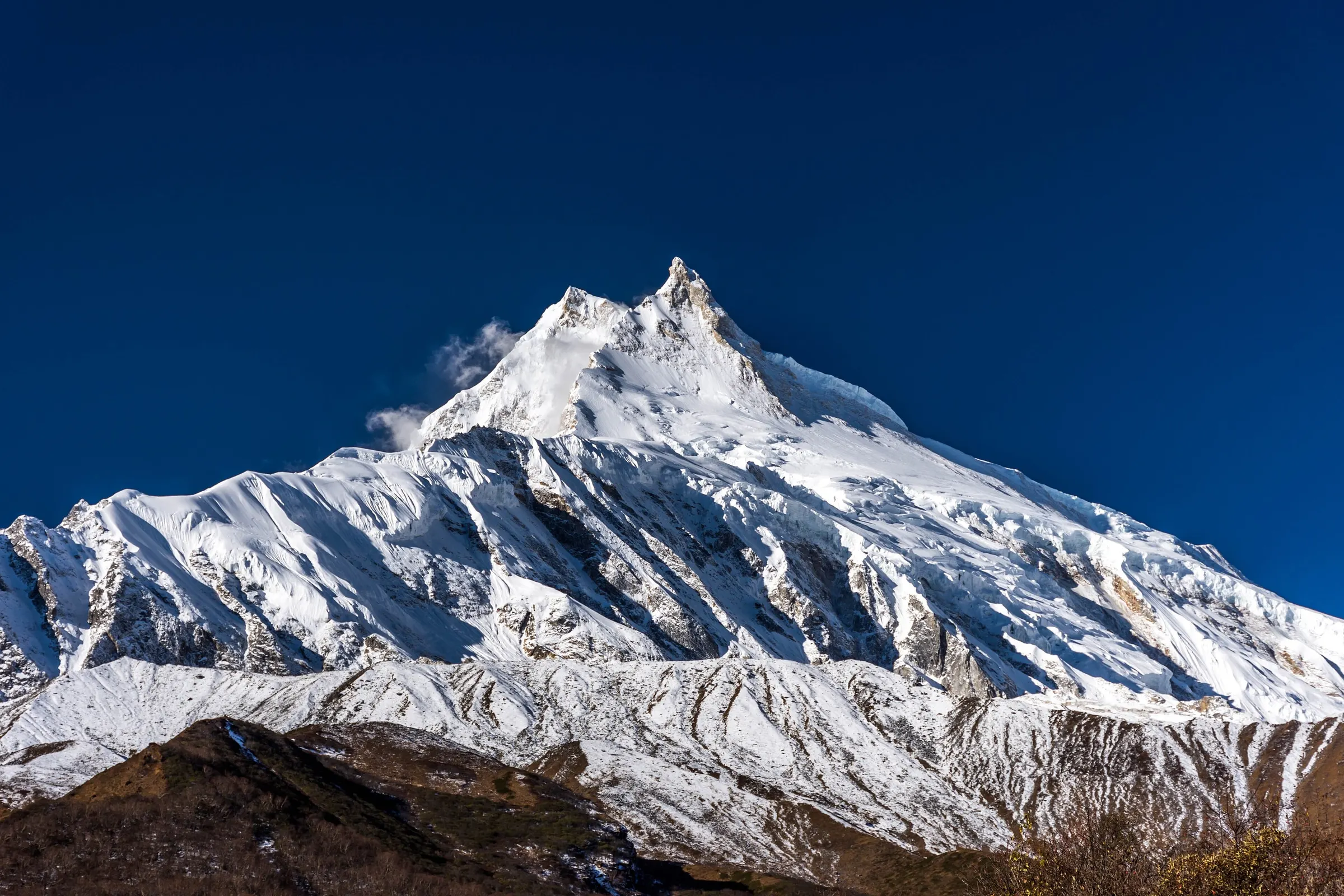
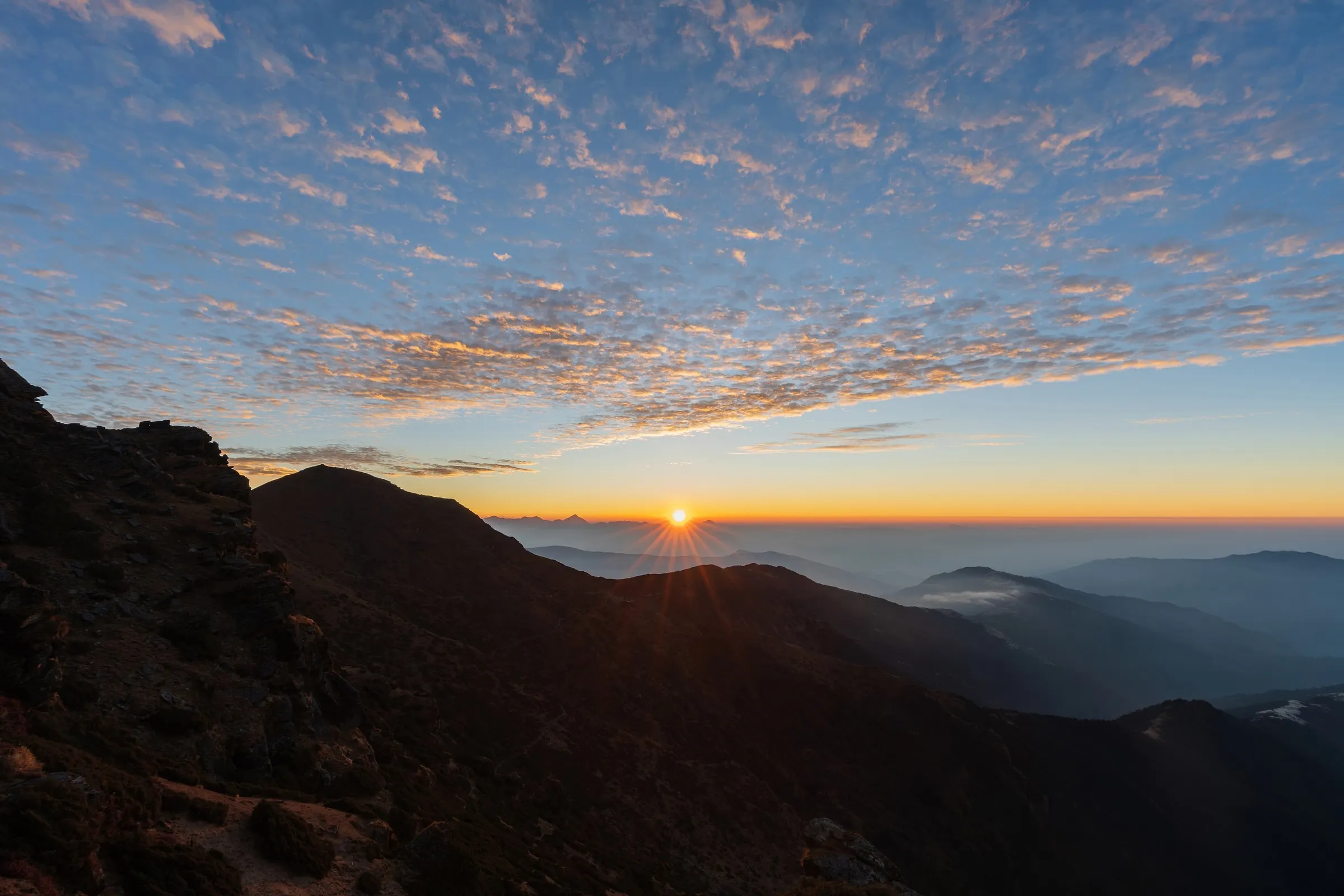
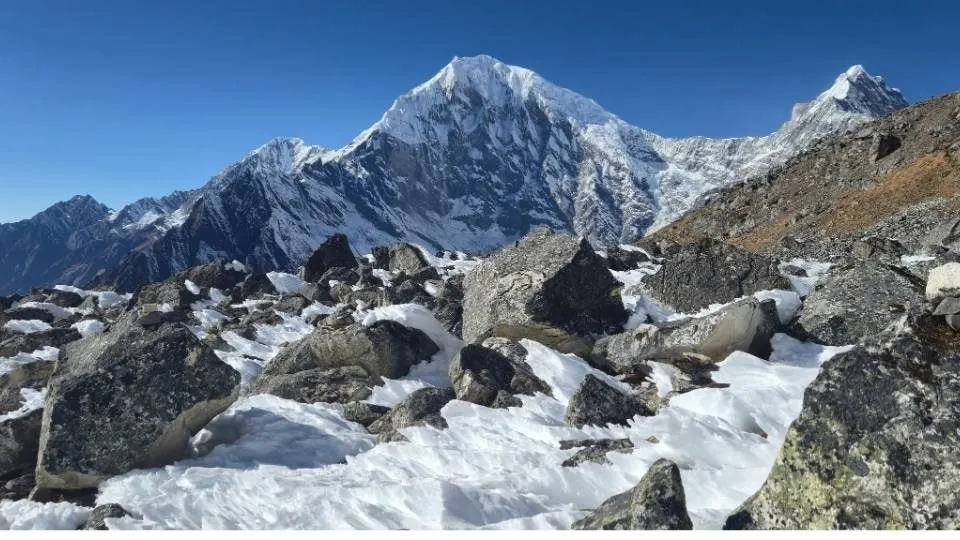
After the monsoon rains wash the air clean, autumn brings the most reliable mountain views of the year. Days are dry and stable, and Langtang Lirung (7,227 m) stands out sharply from Kyanjin Gompa.
Days are pleasant for walking, around 15–20 °C in the forest, but nights at Kyanjin Gompa drop below freezing by November. October is the busiest month, so teahouses at Lama Hotel and Kyanjin can fill up. Booking a little ahead helps.
Best for: clear views, sunrise on Kyanjin Ri, photography
Watch out for: busier teahouses in October and cold nights in November
Festivals: Dashain and Tihar often fall in October or November, so Kathmandu is lively
Spring (March to May): flowers and warm days
Spring is the second great season. From March the rhododendron forest between Syabrubesi and Lama Hotel starts to flower in red and pink, and by April it is at its best. Days are warm and long, which makes the walking easy.
The trade-off is haze. Mornings are usually clear, but clouds often build after lunch and the views are softer than in autumn. By late May the first pre-monsoon showers arrive.
Best for: flowers, warm days, a relaxed pace
Watch out for: afternoon cloud and haze, especially in May
Tip: start each day early to see the peaks before the clouds
Langtang month by month
| Month | On the trail | Crowds | Our verdict |
|---|---|---|---|
| January | Clear, quiet and very cold at Kyanjin. Snow can lie above Langtang village. | Very low | Possible |
| February | Still cold, days getting longer. Good views; some lodges higher up may close. | Very low | Possible |
| March | Rhododendrons start to flower in the forest. Warmer days, cold nights. | Medium | Best |
| April | Peak bloom below Lama Hotel and long, warm days. Clouds build after lunch. | Busy | Best |
| May | Warm and green, but hazier. Showers start late in the month. | Medium | Best |
| June | Monsoon arrives: rain most afternoons, leeches in the forest. | Very low | Not ideal |
| July | The wettest month. Landslides can close the road to Syabrubesi. | Very low | Not ideal |
| August | Heavy rain and cloud. Views are rare and trails are slippery. | Very low | Not ideal |
| September | Rain eases late in the month; trails are lush and quiet. | Low | Possible |
| October | The clearest skies of the year and stable weather. Busiest month. | Busiest | Best |
| November | Crisp and clear with sharp views; nights below freezing at Kyanjin. | Busy | Best |
| December | Cold, dry and quiet. Bring a warm sleeping bag for Kyanjin. | Low | Possible |
Monsoon (June to August): green but wet
The monsoon brings rain most days, leeches in the forest and a real risk of landslides on the road to Syabrubesi. Views are rare, and the trail can be slippery on the stone steps.
We don't recommend Langtang in these months. If you only have the summer, ask us about treks in the rain shadow north of the Annapurnas instead.
Winter (December to February): quiet and cold
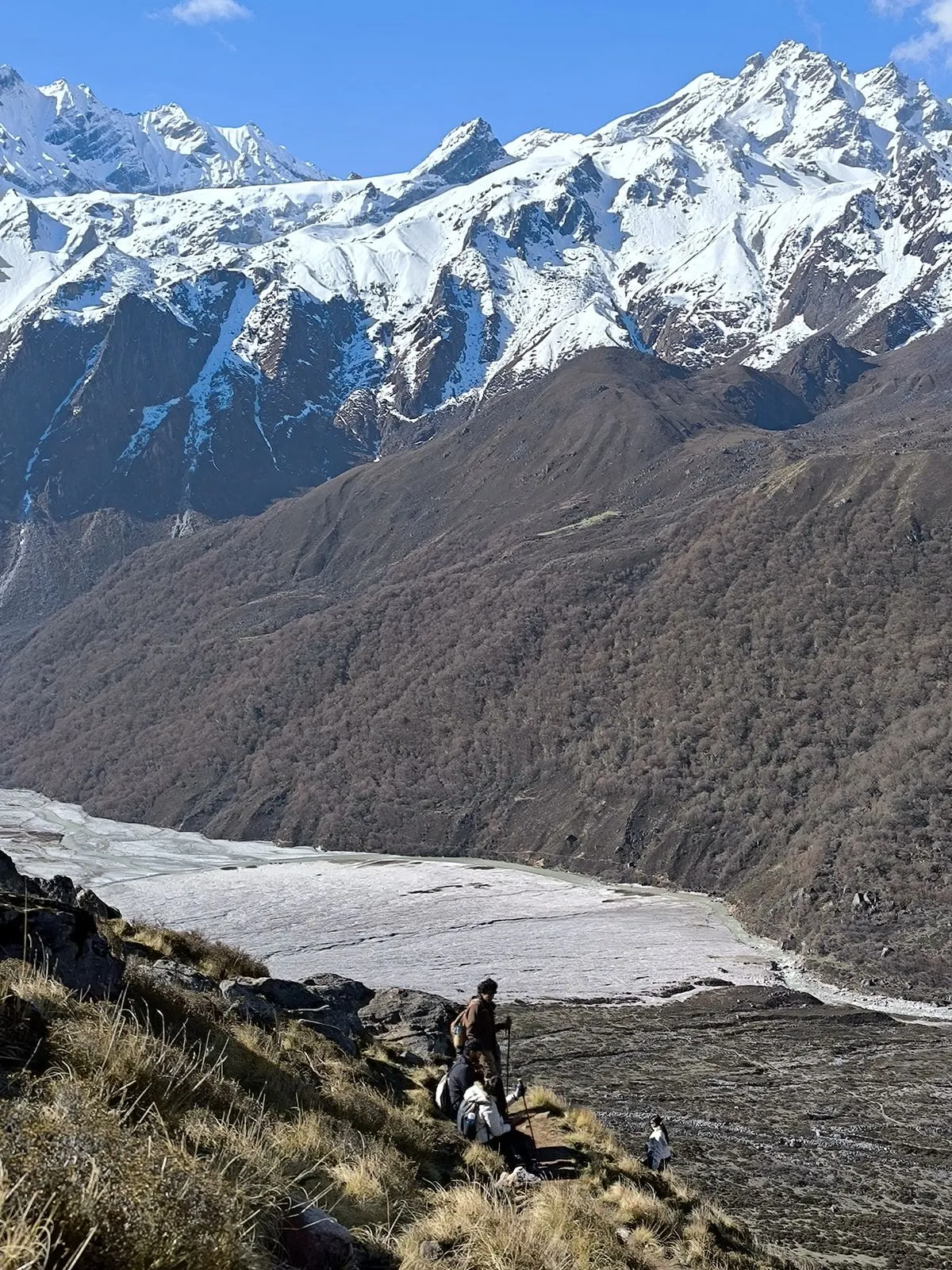
Winter is dry and often very clear, and you will have the trail almost to yourself. The catch is the cold: nights at Kyanjin Gompa can reach about −15 °C in January, and snow sometimes covers the trail above Langtang village.
With a warm sleeping bag and good layers, December and February are good months for experienced walkers. Some teahouses higher up close for a few weeks in the coldest part of the year, so we check before you set off.
How the seasons change the trek itself
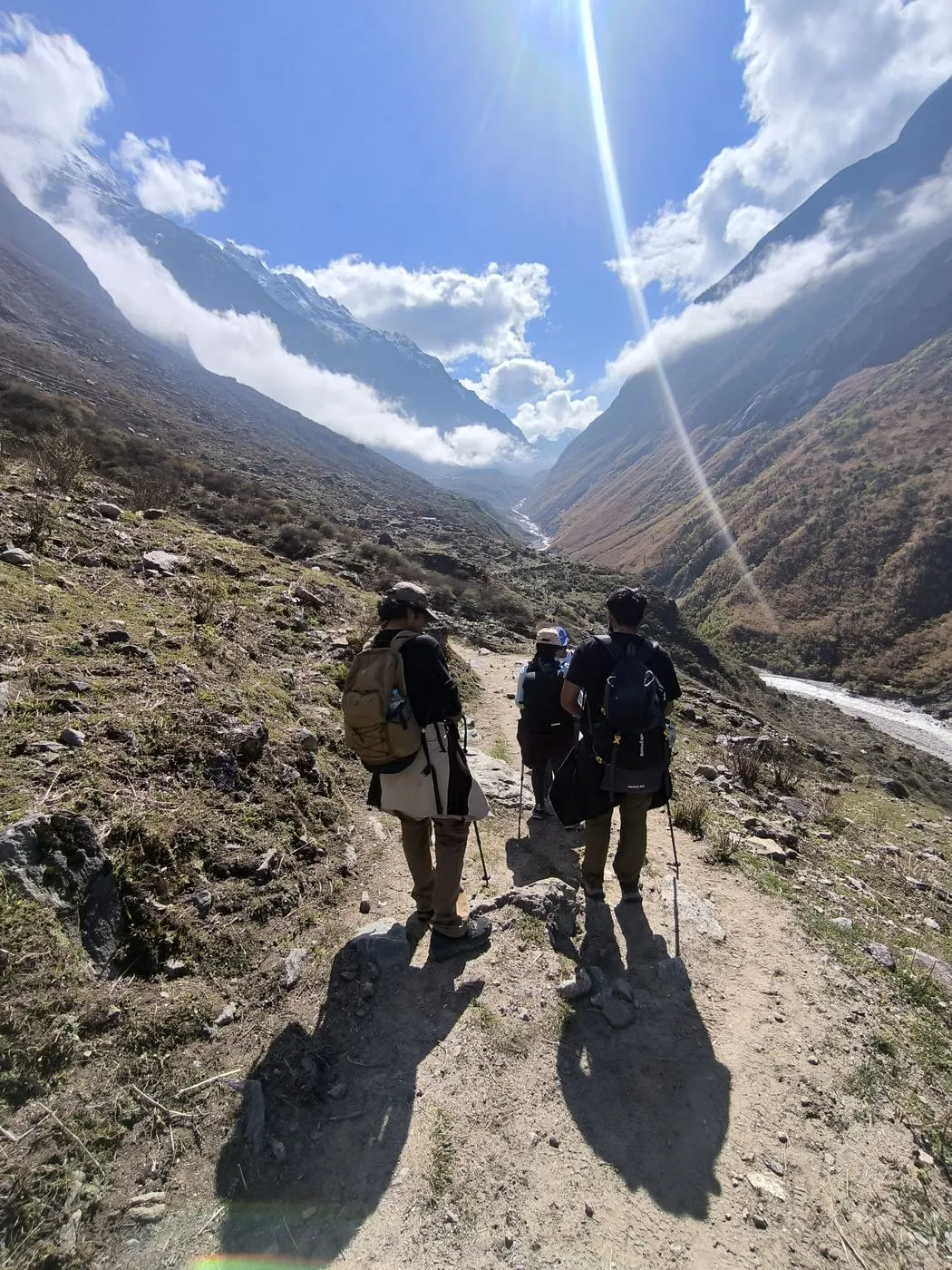
The month you choose changes more than the view. The Langtang trail climbs from about 1,500 m at Syabrubesi to 3,870 m at Kyanjin Gompa, so you walk through three climates in four days, and each season treats them differently.
The lower forest (Syabrubesi to Lama Hotel)
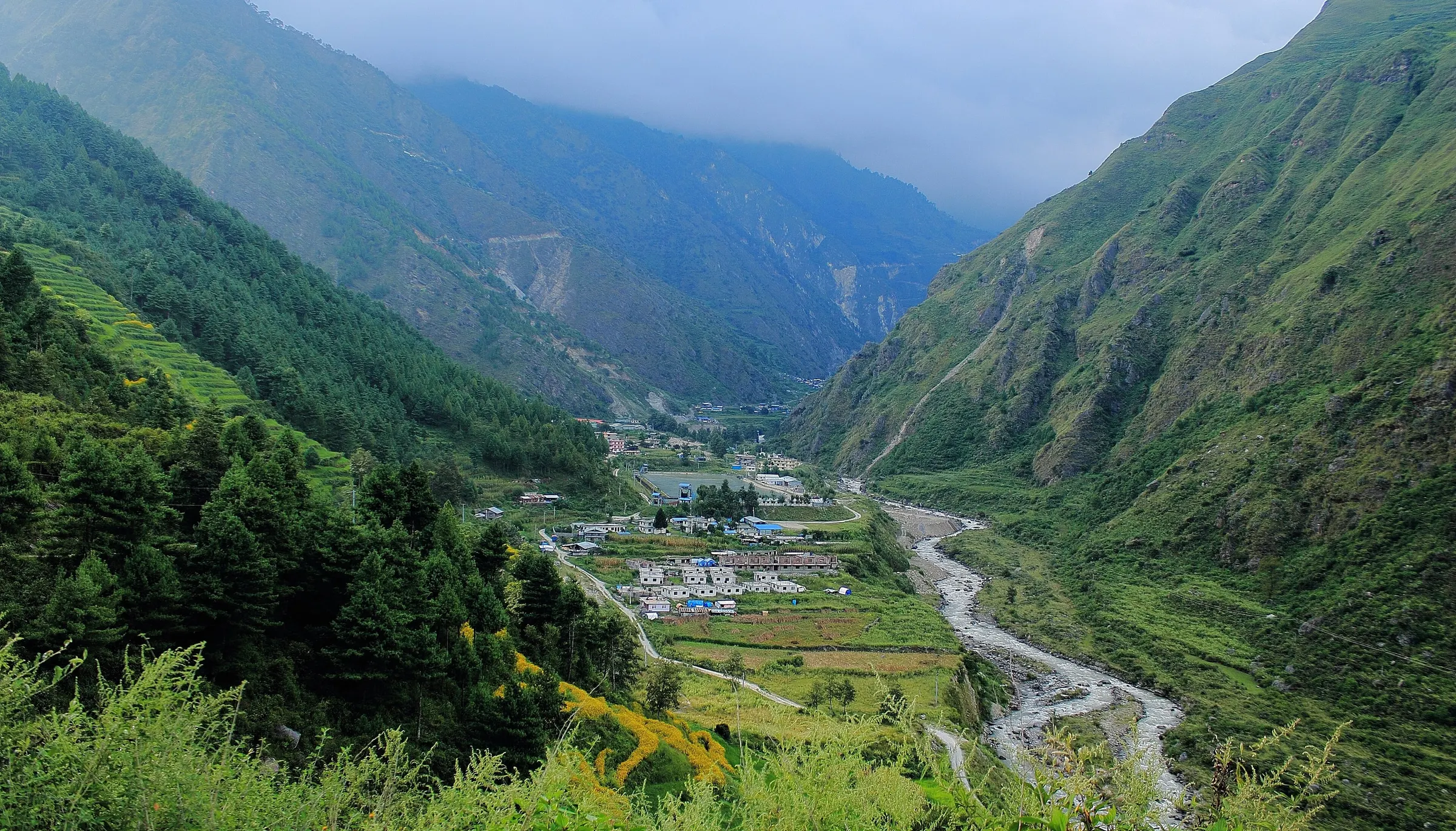
This is where spring is most beautiful, with rhododendron, oak and bamboo, and where the monsoon is hardest, with mud and leeches. In autumn it is green, dry and shady, perfect for the long first day of walking.
The middle valley (Ghoda Tabela to Langtang village)
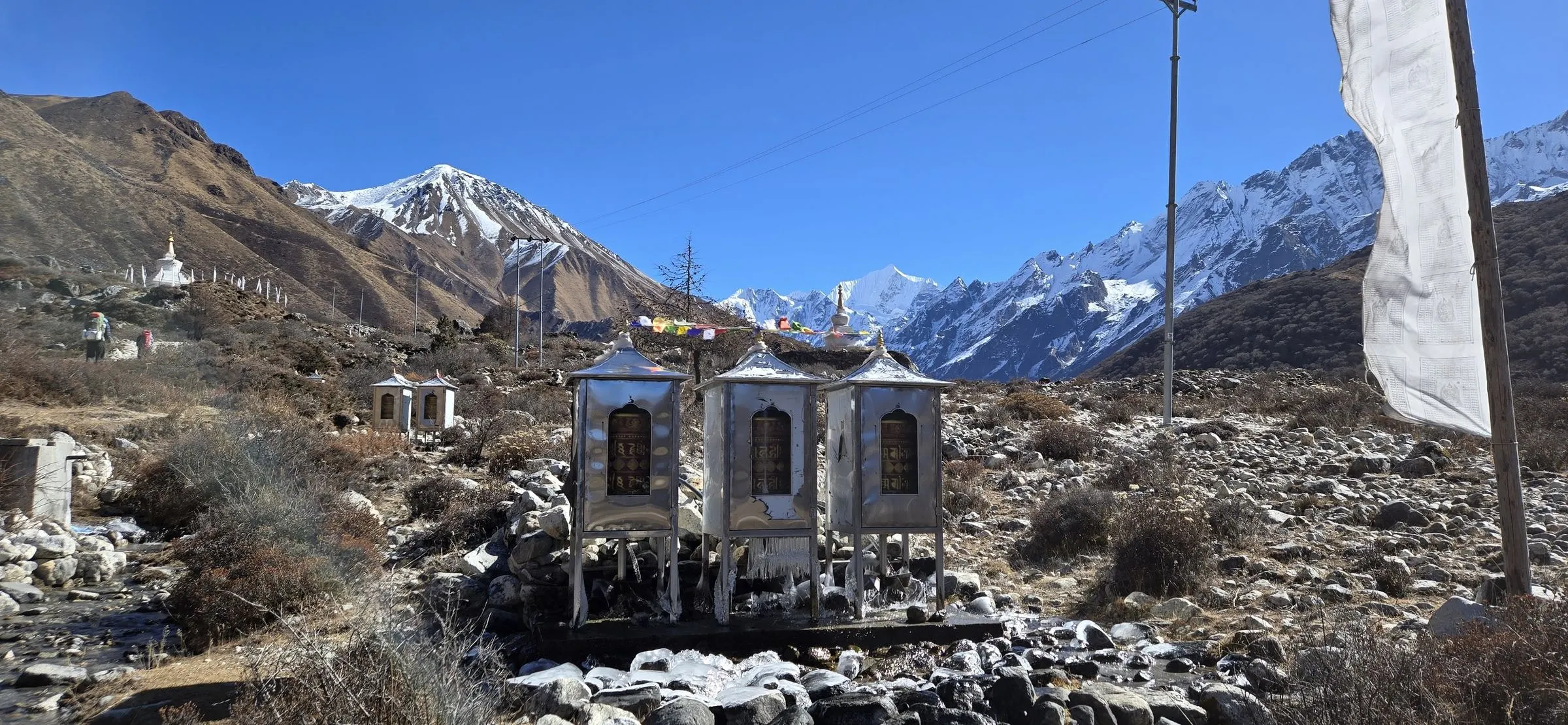
The valley opens out into yak pastures. Autumn colours the grass gold, and in spring the first flowers appear among the stones. This stretch can be windy in the afternoon in every season, so keep a layer handy.
The upper valley (Kyanjin Gompa and the viewpoints)
At Kyanjin the weather matters most. Clear autumn mornings give the best sunrise from Kyanjin Ri. In winter the same climb is colder and sometimes snowy. In spring, aim to be on the summit early, before the clouds rise from the valley.
Season-by-season packing extras
- Autumn and winter: a down jacket rated to about −10 °C and a warm sleeping bag
- Spring: a light rain jacket and sun hat for warm afternoons
- All seasons: headlamp for the sunrise climb
- Early or late in the season: gloves and a warm hat for Kyanjin evenings
- Monsoon edges (late May, September): gaiters and a pack cover
Crowds, festivals and booking ahead
Langtang is quieter than Everest or Annapurna even in October, but the teahouses are smaller too, so a few busy weeks fill them quickly. The busiest time is from the start of October to mid-November, and again in the first weeks of April.
Nepal's two biggest festivals, Dashain and Tihar, usually fall in October or November. They are a lovely time to be in the country, but buses and jeeps out of Kathmandu are full in the days before Dashain. We book your transport early so it doesn't affect your trek.
If you want the views of autumn without the crowds, late November is our favourite: still clear, much quieter, just colder at night.
Not sure which month suits you?
Ask about dates on WhatsAppFrequently asked questions
What is the single best month to trek Langtang?
October, for the clearest skies and most stable weather. If you prefer fewer people and flowers in the forest, choose April.
Can I trek Langtang in December or January?
Yes, with warm gear. Days are clear and quiet, but nights at Kyanjin Gompa are well below freezing and some upper lodges may close for a few weeks.
Is Langtang safe in the monsoon?
The trail itself is walkable, but rain, leeches and landslides on the road make it a poor choice. We recommend other months or other regions in summer.
How cold is it at Kyanjin Gompa?
In autumn and spring, nights are around or just below freezing. In winter they can reach about −15 °C. Dining rooms are warmed in the evening.
Do I need to book teahouses in advance?
In October and early November it helps, especially at Lama Hotel and Kyanjin. Your guide calls ahead each day, so you never arrive without a bed.