In this guide (9 sections)
Quick answer
Kyanjin Ri (4,773 m) is a 3–4 hour round trip with a superb view, right for most trekkers. Tserko Ri (4,984 m) is a full, steep day of 7–9 hours with an even wider panorama, for strong walkers who are well acclimatised. Decide on the morning, by how you feel.
I have climbed both hills more times than I can count, with first-time trekkers and with people who had been to Everest. Almost everyone asks the same question at dinner in Kyanjin Gompa: which one tomorrow? Here is how I help them decide.
Kyanjin Ri: the classic sunrise
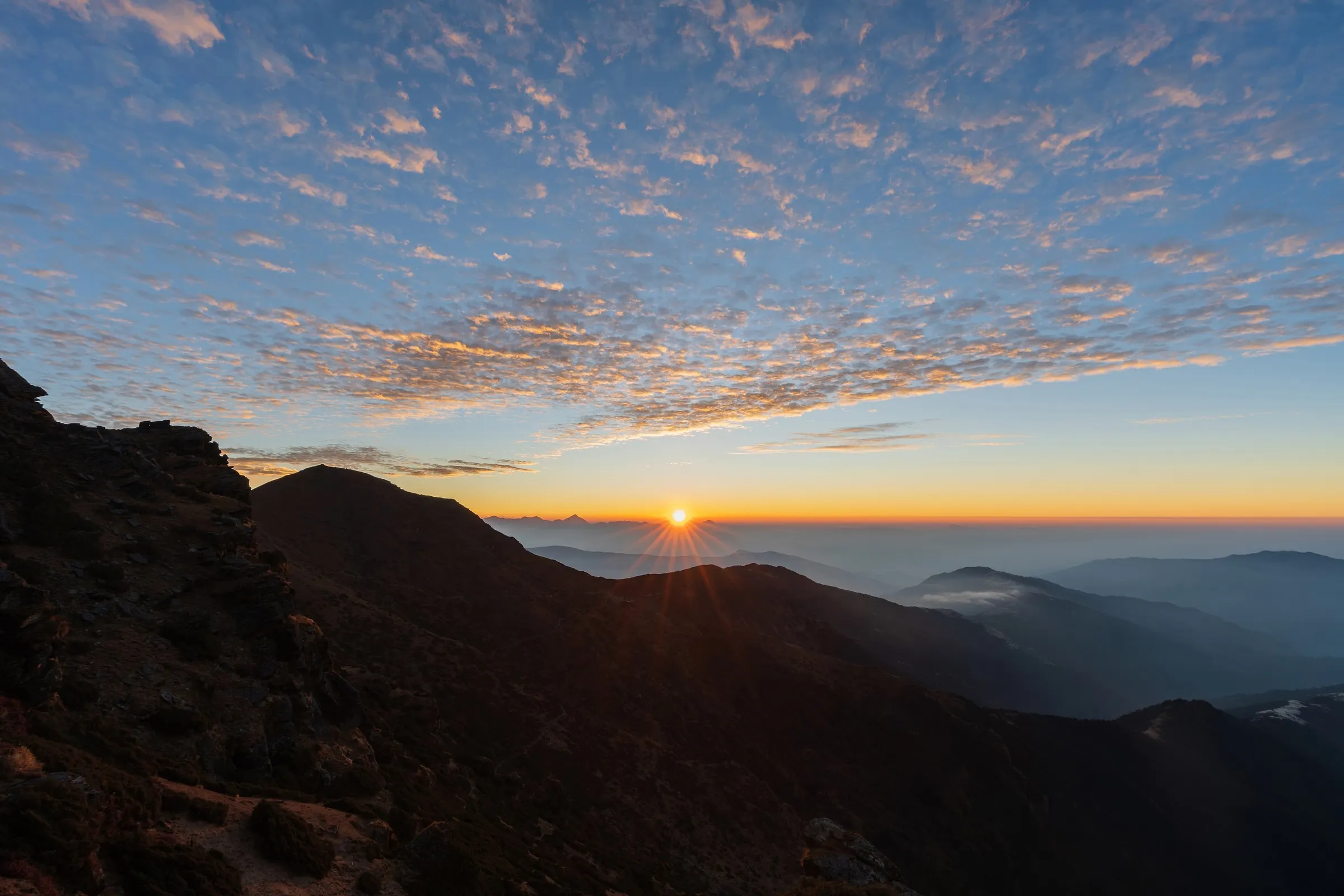
Kyanjin Ri rises right behind the village. We usually leave at about 5 am with headlamps and climb steadily on a clear path of switchbacks. There is a lower summit with prayer flags and a higher one about 30–45 minutes further along the ridge.
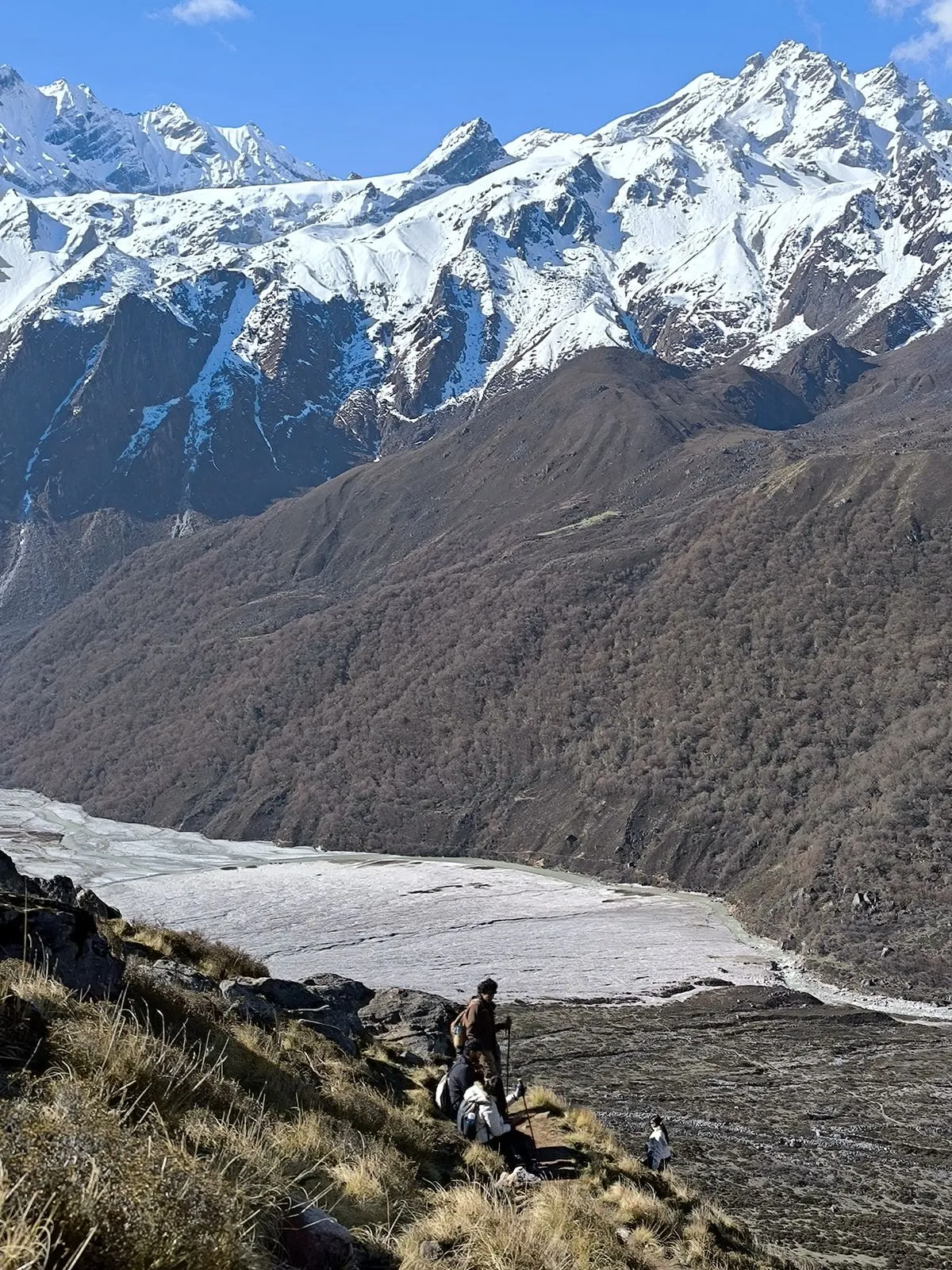
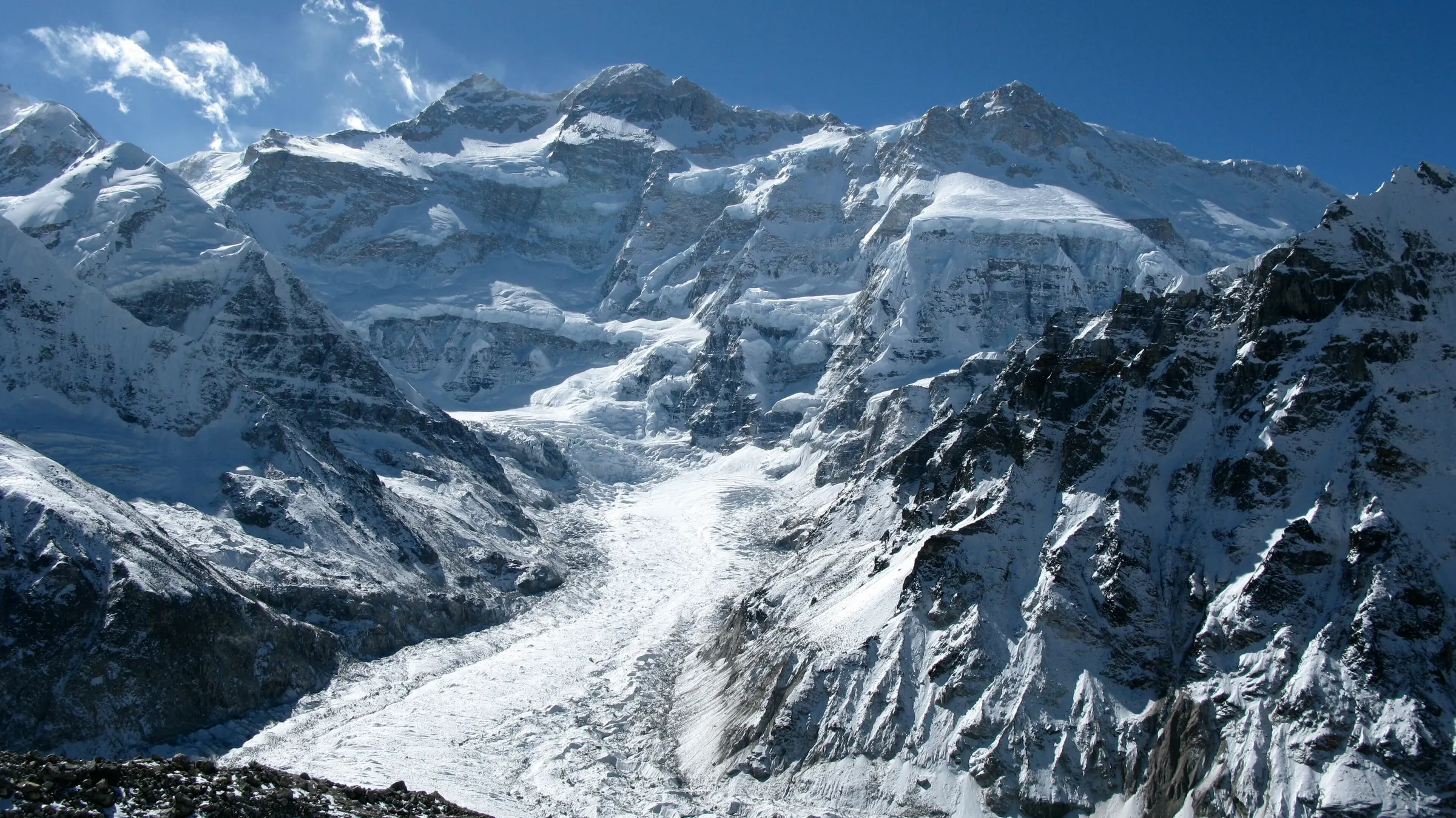
From the top, Langtang Lirung (7,227 m) and its glaciers are directly in front of you, and you look down the whole valley you walked up. Most people are back in Kyanjin for a late breakfast.
Height gain: about 900 m from Kyanjin Gompa
Time: 3–4 hours there and back
Good for: everyone in normal health after a night in Kyanjin
Tserko Ri: the bigger day
Tserko Ri is higher and further. The trail crosses the valley floor past yak pastures, then climbs steeply over loose ground to the summit at 4,984 m. It is a long day, usually 7–9 hours return, and there is no teahouse on the way.
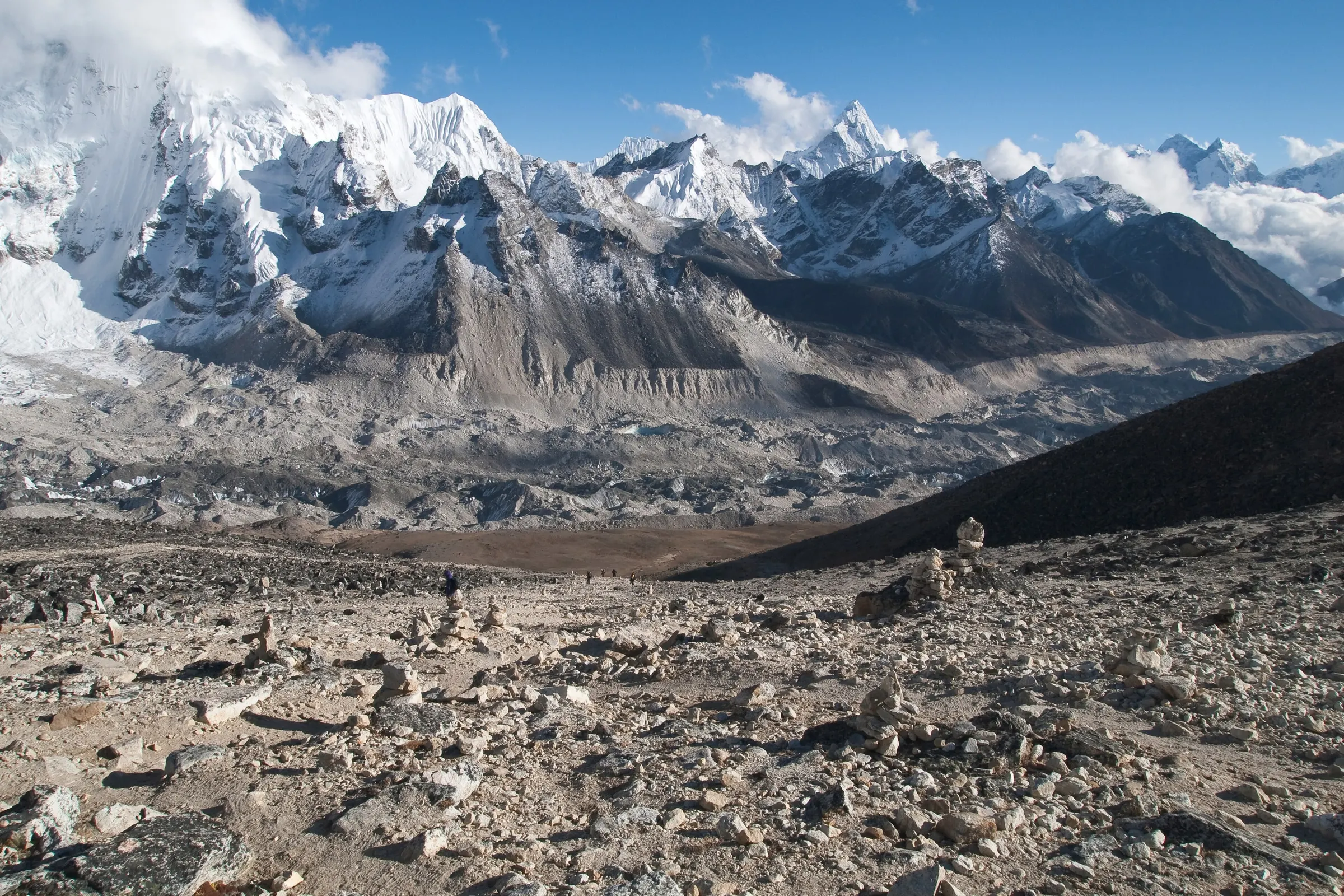
The reward is a wider view: Langtang Lirung, the peaks along the Tibet border and the glaciers at the head of the valley. Because the climb is long and high, we only do it with trekkers who slept well and feel strong at Kyanjin.
How to choose on the day
How did you sleep? Good sleep and appetite at 3,870 m are the best signs you are ready for more height.
What is the weather doing? Clear mornings favour both; if cloud is coming, the shorter Kyanjin Ri gets you up and down in time.
How do your legs feel? Tserko Ri is long and steep on the way down too.
How many days do you have? With a spare day at Kyanjin, you can do Kyanjin Ri first and Tserko Ri the next day.
Day 5: Langtang Village to Kyanjin Gompa (3,870 m)
Short day · Monastery and yak cheese factory
3–4 hrs · 3,870 m
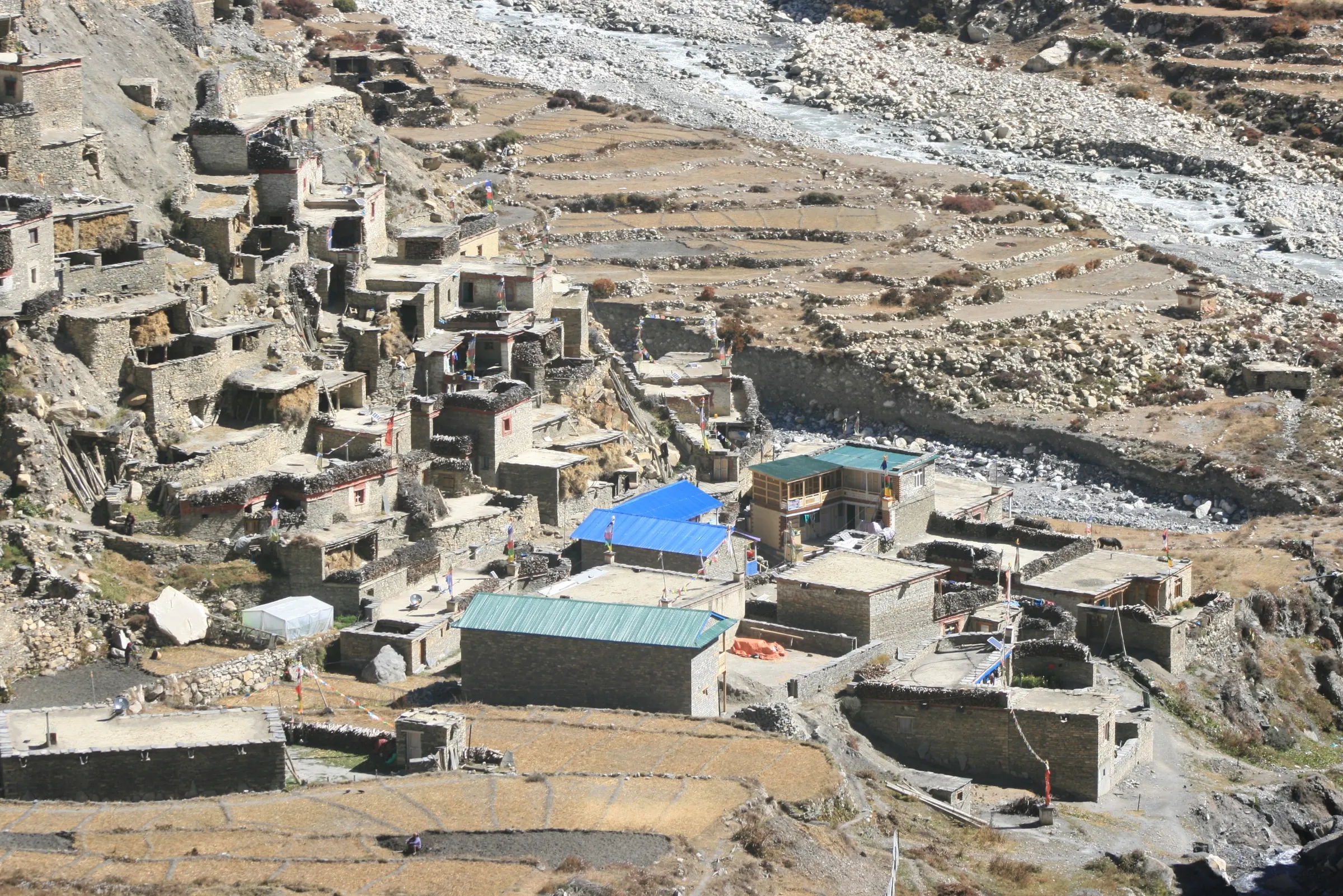
A short climb past long mani walls and chortens to Kyanjin Gompa. The afternoon is free to rest, visit the monastery and taste the local yak cheese.
Day 6: Sunrise hike up Kyanjin Ri (4,773 m), or Tserko Ri (4,984 m)
The high point of the trek · Langtang Lirung up close
5–7 hrs · 4,773 m · High point
An early start to Kyanjin Ri for sunrise on Langtang Lirung (7,227 m) and the glaciers that ring the valley. Strong walkers can choose Tserko Ri instead. Second night in Kyanjin.
Day 7: Kyanjin Gompa to Lama Hotel (2,470 m)
Long descent down the valley
6–7 hrs · 2,470 m
Retrace the valley downhill with the peaks behind you, dropping back into the forest for the night at Lama Hotel.
Interactive Google map
Loading it connects to Google, which can see your IP address and may set cookies.
Altitude: why the extra 200 m matters
On paper Tserko Ri is only about 200 m higher than Kyanjin Ri. In practice it is a much bigger day, because you climb over 1,100 m from Kyanjin Gompa and come all the way down again on loose ground.
Your body needs time to adjust to the thin air above 4,000 m. Kyanjin Ri goes up and down quickly, which is good for acclimatisation. Tserko Ri keeps you high for many hours. If you feel a headache that gets worse, nausea or unusual tiredness on either climb, tell your guide and turn back. The summit is never worth it.
Photography: light and timing
For Kyanjin Ri, the first sun lights Langtang Lirung from the east, so be on top at sunrise or soon after. In autumn the sky is usually clear until mid-morning.
On Tserko Ri you arrive later in the morning, when the light is harder but the panorama is bigger. A wide lens and a polarising filter help with the snow and the deep blue sky. Keep your batteries warm inside your jacket; cold drains them fast.
Coming down safely
Most slips happen on the way down, not up. On Kyanjin Ri the path is good but steep in places, and on Tserko Ri the upper slopes are loose scree. Shorten your trekking poles for the climb and lengthen them for the descent, take small steps and keep your weight over your feet.
Drink and eat something at the top before you start down. Tired legs and an empty stomach make the last hour feel much longer, and Kyanjin's teahouses will still be serving lunch when you arrive.
What to carry for either climb
- Headlamp for the early start
- Down jacket, hat and gloves: it is cold before sunrise
- 1–2 litres of water and snacks
- Sunglasses and sunscreen
- Trekking poles for the descent
Other ways to spend a day at Kyanjin
Not every trekker wants to climb on their free day at Kyanjin Gompa, and that is fine. The village itself is worth a slow morning.
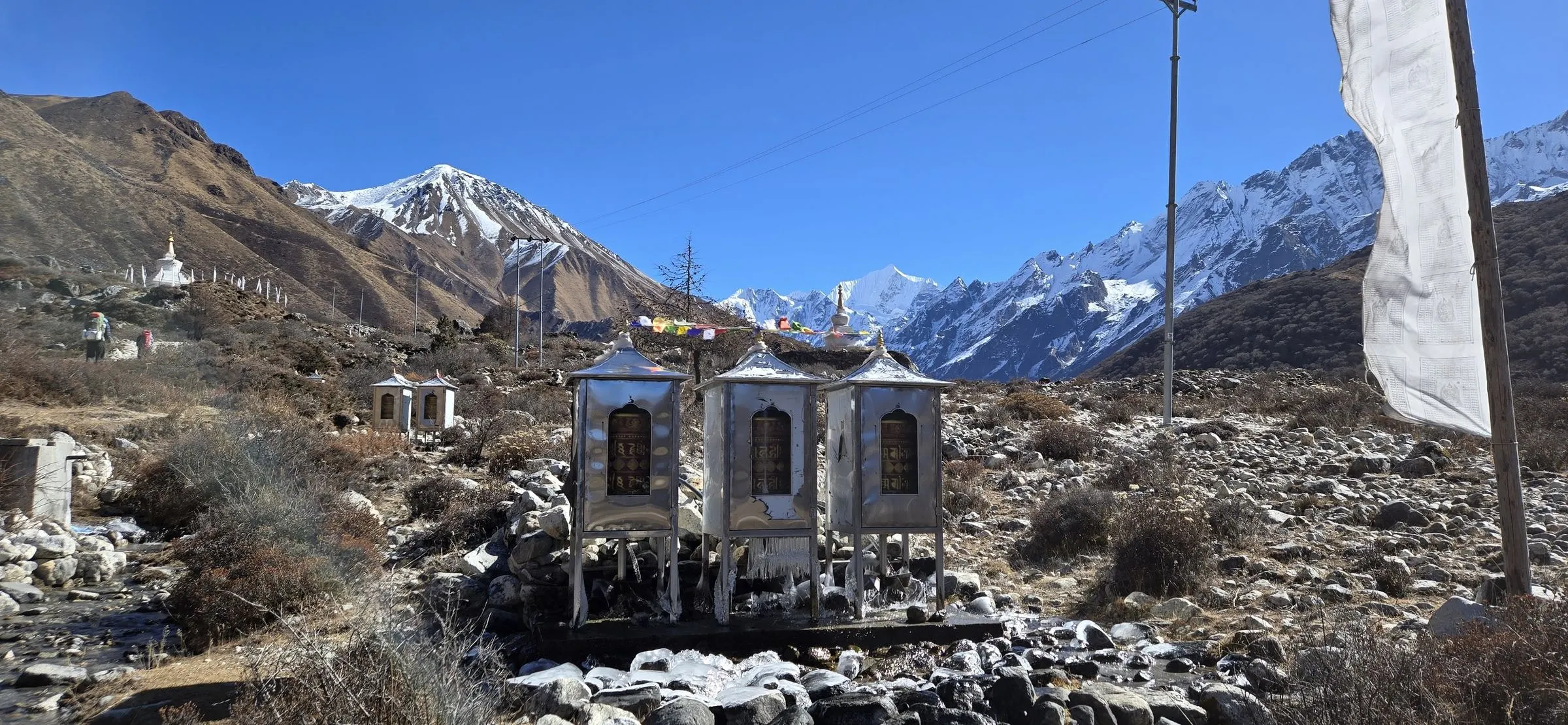
The monastery: small and peaceful, with prayer wheels and views down the valley
The cheese factory: started with Swiss help in the 1950s, still making yak cheese
Langshisa Kharka: a long valley walk east towards the glaciers, mostly flat but long
A rest day: sit in the sun, drink tea and watch the light change on Langtang Lirung
Whatever you choose, a second night at Kyanjin helps your body adjust before you walk back down the valley.
Planning your Langtang trek?
Ask Pasang on WhatsAppFrequently asked questions
Can I do both Kyanjin Ri and Tserko Ri?
Yes, if you add a day at Kyanjin Gompa. Do Kyanjin Ri first: it helps you acclimatise for Tserko Ri the next day.
Do I need climbing gear?
No. Both are walking routes. In winter or after snow we may bring microspikes for the upper slopes.
Is Tserko Ri dangerous?
It is not technical, but it is high and long. The risks are altitude, cold and tiredness on the descent. Your guide turns back if the weather or your health says so.
Which has the better view?
Tserko Ri is wider, but Kyanjin Ri is closer to Langtang Lirung and many people prefer it. Both are unforgettable on a clear morning.