In this guide (8 sections)
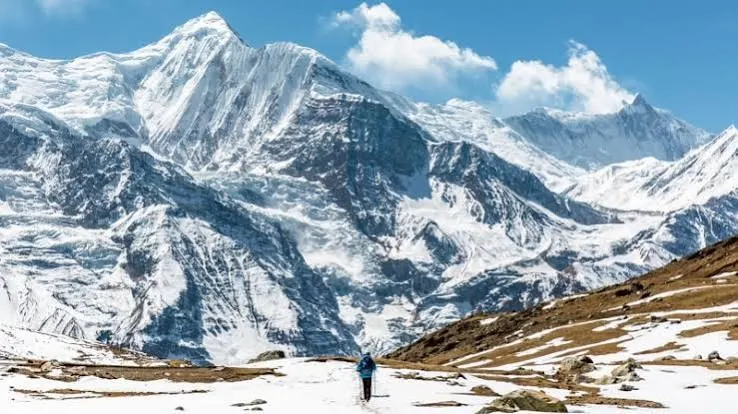
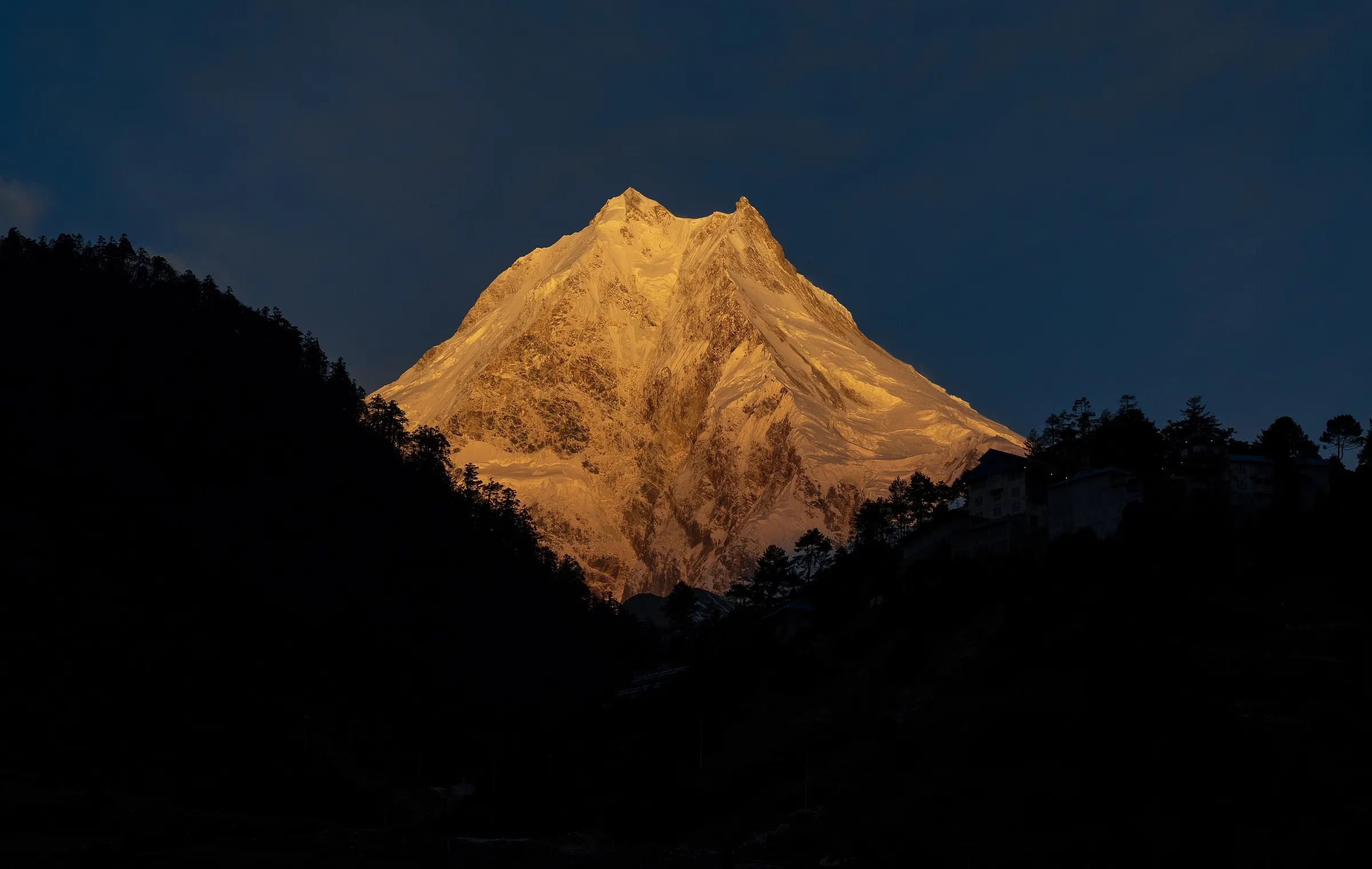
The best time to visit Mustang is spring (March to May) and autumn (September to November). In these months the sky is mostly clear, the days are mild, and trails, roads and flights to Jomsom work well. Mustang is also one of the few places in Nepal you can visit during the summer monsoon (June to August), because the high mountains block most of the rain. Winter (December to February) is very cold, especially in Upper Mustang, and is the hardest time to travel.
This guide explains what the weather is like in each month, when the Tiji Festival and other festivals happen, and the best time for trekking, horse riding, mountain biking, jeep tours and pilgrimage to Muktinath.
Mustang Weather Basics: Altitude, Rain Shadow and Wind
The weather in Mustang depends mostly on altitude. The higher you go, the colder it gets, especially at night. Mustang is not one single place. It is a long valley that climbs from green villages in the south to a cold, high desert near the Tibet border.
| Place | Part of Mustang | Altitude (approx.) | What it means for visitors |
|---|---|---|---|
| Marpha | Lower Mustang | 2,670 m | Mildest weather, apple orchards, good base in winter |
| Jomsom | Lower Mustang | 2,720 m | Main town and airport, windy afternoons |
| Kagbeni | Gateway to Upper Mustang | 2,804 m | Last village before the restricted area |
| Muktinath | Lower Mustang | 3,710 m | Holy temple, cold nights all year |
| Lo Manthang | Upper Mustang | 3,840 m | Coldest place most visitors reach, very cold in winter |
Mustang lies in a rain shadow. The Annapurna and Dhaulagiri ranges stop most monsoon clouds before they reach Mustang. Because of this, Mustang gets much less rain than Pokhara or Kathmandu. Upper Mustang is even drier than Lower Mustang.
Wind is part of daily life. Strong winds blow up the Kali Gandaki valley almost every day, usually from late morning to evening. They make the air feel colder and bring dust. This is also why flights to Jomsom only fly early in the morning.
Sun and cold come together. At this height the sun is very strong, even when the air is cold. Days can feel warm in the sun, but temperatures fall quickly after sunset. Bring sunscreen, sunglasses and warm layers in every season.
Mustang Seasons at a Glance
Spring and autumn are the best seasons for most visitors, summer is possible with some planning, and winter suits only well-prepared travelers.
| Season | Months | Rating | Weather | Good For |
|---|---|---|---|---|
| Spring | March to May | Best | Best | Mild days, clear skies, windy afternoons |
| Summer (monsoon) | June to August | Possible | Possible | Mostly dry in Mustang, but rain on the way in |
| Autumn | September to November | Best | Best | Clear, stable, cool nights |
| Winter | December to February | Not Ideal | Not Ideal | Very cold, snow possible, many lodges close up north |
Spring (March to May) brings warmer days and clear mountain views. Snow melts from the trails, villagers return to Upper Mustang, and fields are ploughed and planted. May is often the busiest month in Upper Mustang because of the Tiji Festival in some years.
Summer (June to August) is the monsoon season in Nepal. Mustang itself stays fairly dry, but getting there is harder. Clouds often cancel Jomsom flights, and landslides can close the road between Pokhara and Jomsom. Inside Mustang, the fields turn green and there are fewer visitors.
Autumn (September to November) is the most popular season. After the monsoon, the air is clean and the views of Nilgiri and Dhaulagiri are sharp. Days are pleasant for walking, but nights get colder each week, especially in November.
Winter (December to February) is very cold. In Upper Mustang many local people move to lower areas, so many teahouses and shops close. Lower Mustang, including Jomsom, Marpha and Muktinath, stays open and quiet, with clear but freezing days.
Month-by-Month Weather Guide for Mustang
- January: Not ideal
- February: Not ideal
- March: Best
- April: Best
- May: Best
- June: Possible
- July: Possible
- August: Possible
- September: Best
- October: Best
- November: Best
- December: Not ideal
- Best
- Possible
- Not ideal
The temperatures below are rough guides for Jomsom (about 2,720 m). Lo Manthang and Muktinath are usually several degrees colder. Climate data for Mustang varies a lot between websites, so always check a forecast close to your trip.
January:
This is the coldest month. Days in Jomsom can feel pleasant in the sun, but nights fall well below freezing. Upper Mustang is mostly empty, and snow can block higher trails. Visit only Lower Mustang and Muktinath, and only with good winter clothing.
February:
It is still very cold, with a chance of snowfall. Days get a little longer. Losar, the Tibetan New Year, usually falls in February or early March and is celebrated in Buddhist villages.
March:
Spring starts. Snow begins to melt, and people return to Upper Mustang to prepare their fields. Mornings are clear, but nights are still below freezing in the north. Early March can still feel like winter in Lo Manthang.
April:
This is one of the best months. Days are mild, the sky is mostly clear, and apple trees flower in Marpha. Afternoon winds become stronger. It is a great month for trekking, horse riding and biking.
May:
May is the warmest of the spring months and very popular. Upper Mustang is open, fields are planted, and the Tiji Festival often happens in May. WiThe temperatures below are rough guides for Jomsom (about 2,720 m). Lo Manthang and Muktinath are usually several degrees colder. Climate data for Mustang varies a lot between websites, so always check a forecast close to your trip.nds are strong in the afternoon, and the first pre-monsoon clouds may appear late in the month.
June:
The monsoon reaches Nepal. Mustang stays mostly dry, but Jomsom flights are often delayed and the road from Pokhara may close for a few hours or days. In 2027, the Tiji Festival is expected in early June.
July:
This is the warmest month and the wettest month in Nepal. Upper Mustang gets only light rain, and the barley fields are green. It is a good time for the Upper Mustang trek if you plan spare days for travel.
August:
August is similar to July. The Yartung horse festival usually takes place in late summer, and Hindu pilgrims visit Damodar Kunda around the Janai Purnima full moon. Travel to and from Mustang can still be slow because of landslides.
September:
The monsoon ends during the month. Early September can still bring rain on the road, but the second half is often clear and fresh. Harvest begins, and the valleys turn from green to gold.
October:
This is the best month for many visitors. Skies are clear, views are sharp, and days are comfortable for walking. Nights are cold in Lo Manthang. Trails, lodges and flights are busiest, so book early.
November:
Weather is dry and stable, with very clear views. Nights become cold, and by the end of the month many families in Upper Mustang start moving south for winter. Early November is better than late November for Upper Mustang.
December:
Winter returns. Upper Mustang is very cold; in early December 2025, Lo Manthang recorded about –15°C in the mornings and evenings. Lower Mustang is quiet, clear and cold, and still possible for short trips.
Tiji Festival: The Best Time to See Upper Mustang's Culture
The Tiji Festival is the biggest festival in Upper Mustang. It lasts three days and takes place in the square in front of the old royal palace in Lo Manthang. Monks from Chhoede (Chode) Monastery perform masked dances, called cham, that tell the story of good defeating evil.
The story is about Dorje Jono, a deity who fights a demon that brought drought and suffering to the land of Lo. Over the three days, the dances show the demon being found, fought and finally destroyed. Local people believe the festival protects the valley and brings rain and good harvests for the year ahead.
Quick answer
When is the Tiji Festival?
Tiji follows the Tibetan lunar calendar, so the dates change every year. It usually falls in May, but sometimes in early June. In 2026 it was held on 14–16 May. Several Mustang tour operators list 1–3 June 2027 as the provisional dates, to be confirmed by Chhoede Monastery in early 2027. A few other websites give earlier May dates, so check again before booking.
How to plan for Tiji:
Arrive early. Reach Lo Manthang at least one day before the festival starts. This helps your body adjust to the altitude (about 3,840 m).
Book rooms early. Lo Manthang has a small number of lodges, and they fill up quickly during Tiji.
Get the right permit. Lo Manthang is in Upper Mustang, so foreign visitors need a Restricted Area Permit and a licensed guide (see the permits section below).
Choose trek or jeep. A trek from Jomsom to Lo Manthang takes about 4–5 days. A jeep is faster: the drive from Lo Manthang to Jomsom (about 70 km) takes around 5–6 hours on a rough road.
Be respectful. Do not stand in the dance area, ask before taking close photos of monks, and follow the guidance of local organizers.
Other Festivals in Mustang
Tiji is the most famous festival, but Mustang has other celebrations that can shape the timing of your trip.
| Festival | Usual Time | Where | What Happens |
|---|---|---|---|
| Losar (Tibetan New Year) | February to March | Buddhist villages, especially Upper Mustang | Prayers, family gatherings, monastery rituals |
| Saga Dawa | May to June | Monasteries across Mustang | Buddhist month honoring the Buddha's birth, enlightenment and death |
| Yartung | Late July to September | Lo Manthang, Muktinath (Ranipauwa) and other villages | Horse races, archery, dancing and feasts |
| Janai Purnima pilgrimage | August full moon | Damodar Kunda and Muktinath | Hindu pilgrims bathe in sacred waters |
Yartung is the best festival for horse lovers. The name means "end of summer" and marks the end of the farming season before harvest. Riders from across Mustang, and sometimes from Manang, race their horses, and villagers sing and dance. Around Muktinath, the final race is an uphill run from Khinga (Khimkhar) to Ranipauwa. The exact dates follow the lunar calendar, so confirm them each year.
Damodar Kunda is a group of sacred lakes at about 4,890 m in remote Upper Mustang. Reaching it takes several extra days of trekking or a helicopter flight, and it needs the same restricted area permit as Lo Manthang.
Best Time for Activities in Mustang
The best months depend on what you want to do. Most outdoor activities are best in spring and autumn, but some, like the Upper Mustang trek, also work in summer.
| Activity | Best Months | Also Possible | Avoid |
|---|---|---|---|
| Upper Mustang Trek | April–May, September–October | June–August | December–February |
| Jomsom–Muktinath trek | March–May, October–November | June–September, December | Heavy snow days |
| Crossing Thorong La (5,416 m) into Mustang | April–May, October–November | March, September | December–February |
| Horse riding | April–May, September–October | June–August | Winter |
| Mountain biking | April–May, October–November | March, September | Monsoon road days, winter |
| Jeep or motorbike tour | March–May, October–November | December–February (Lower Mustang only) | Peak monsoon (July–August) |
| Muktinath pilgrimage | March–June, September–November | All year | Days with heavy snow |
| Photography | October–November (clear views), July–August (green fields) | All year | - |
Trekking.
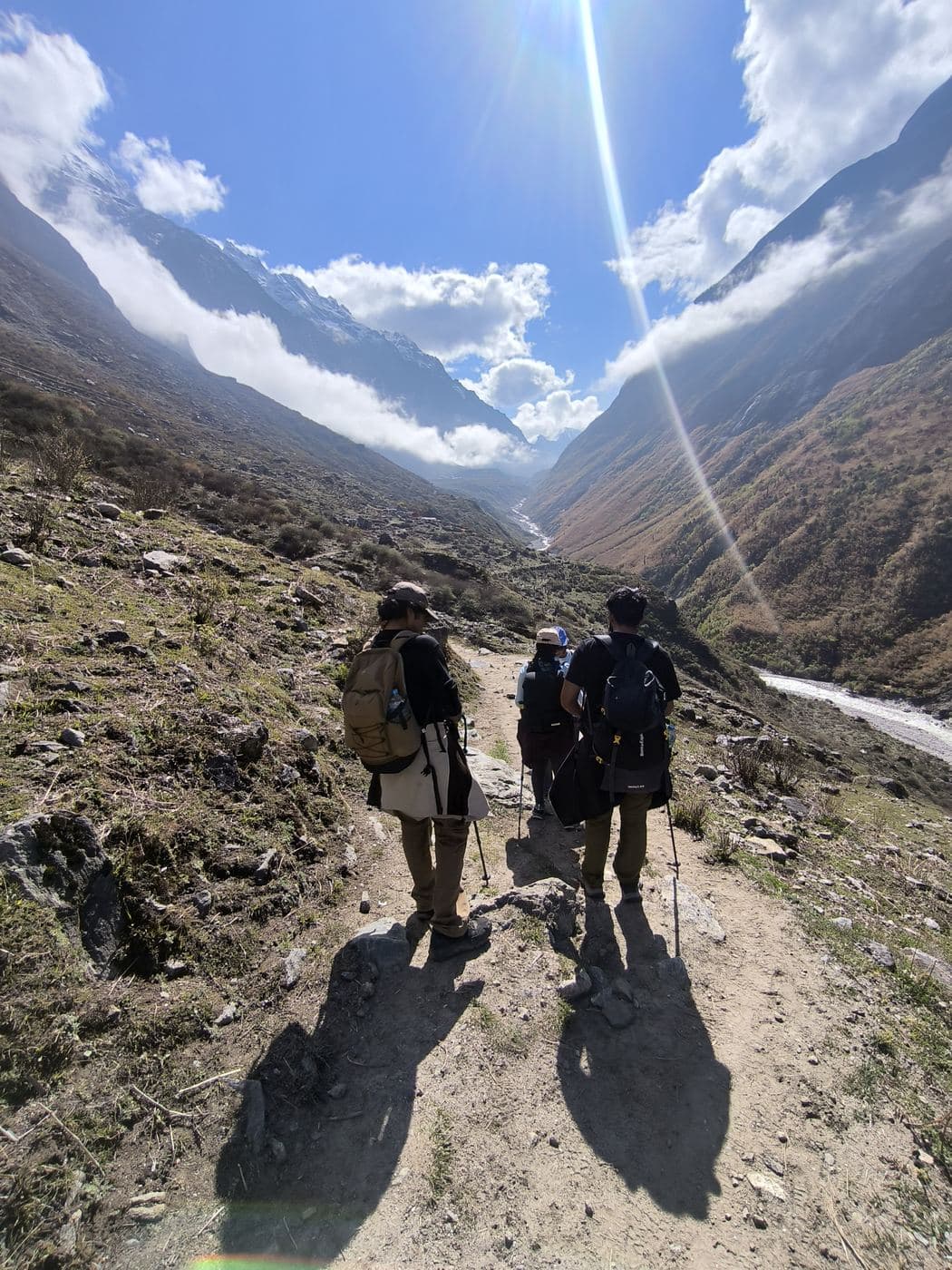
The Upper Mustang trek from Kagbeni to Lo Manthang is best in spring and autumn, and it is one of the few treks in Nepal that also works in the monsoon. The shorter Jomsom–Muktinath trek is possible for most of the year. Trekkers crossing the Thorong La pass on the Annapurna Circuit descend straight into Muktinath, but the pass is often closed by snow in winter.
Horse riding.
Horses have always been important in Mustang. In Lo Manthang you can hire a horse with a local handler for day trips to nearby villages, monasteries and the Chhoser cave area. Spring and early autumn are best, because the weather is mild and the horses are in the village. Yartung, in late summer, is the best time to see local riders race.
Mountain biking.
The dirt roads and wide valleys make Mustang a popular biking area. Common routes include Jomsom to Muktinath, Kagbeni to Lo Manthang, and the descent from Muktinath down the Kali Gandaki. Ride in the morning, because the strong afternoon wind often blows against riders heading north. Spring and autumn give the driest roads.
Jeep and motorbike tours.
A rough road now runs from Pokhara through Beni to Jomsom and on to Lo Manthang. Jeep and motorbike trips are best in spring and autumn, when the road is dry and landslides are rare. In the monsoon, landslides can block the road below Jomsom. In winter, the road to Upper Mustang may be closed by snow, and many services are shut.
Pilgrimage.
Muktinath Temple is open all year and is sacred to both Hindus and Buddhists. Most pilgrims visit in spring and autumn, when travel is easiest. In winter it is very cold at 3,710 m, but the temple can still be visited on clear days.
Apple season.
Apple trees in Marpha and Tukuche flower in April, and the harvest runs from late summer into autumn. Autumn is the best time to taste fresh Mustang apples, apple juice and dried apples.
Permits, Flights and Practical Tips by Season
Permits.
All foreign visitors need the Annapurna Conservation Area Permit (ACAP, NPR 3,000 for foreign nationals). To go north of Kagbeni into Upper Mustang, foreigners also need a Restricted Area Permit, arranged through a registered agency with a licensed guide. From 2026 this permit costs USD 50 per person per day, replacing the old flat USD 500 fee.
Getting there by season.
Flights from Pokhara to Jomsom take about 20 minutes and fly only in the morning, before the wind gets strong. The road from Pokhara to Jomsom is about 158 km and takes around 7 to 8 hours by jeep.
Spring and autumn: Flights and roads are usually reliable. Book flights and lodges early for October and for Tiji.
Summer: Expect delayed flights and road blocks. Keep 1–2 spare days in your plan.
Winter: Flights often run on clear mornings, but snow can close the road to Upper Mustang.
What to pack.
Every season: sunscreen, sunglasses, a sun hat, lip balm, a buff or scarf for wind and dust, and a warm jacket for evenings.
Spring and autumn: warm layers and a sleeping bag rated to about –10°C for Upper Mustang.
Summer: a light rain jacket for the journey in, and quick-dry clothing.
Winter: a heavy down jacket, thermal underwear, warm gloves and a sleeping bag rated well below –10°C.
Altitude.
Lo Manthang (about 3,840 m) and Muktinath (3,710 m) are high enough to cause altitude sickness. Go up slowly, drink plenty of water, and spend a night at Jomsom or Kagbeni before going higher, especially if you travel by jeep.
Choosing Your Month
For most travelers, the best time to visit Mustang is April to May or October to early November, when the weather is clear and every part of the region is open. If you want to see the Tiji Festival, plan around its lunar dates (provisionally 1 to 3 June 2027) and book Lo Manthang lodges early. If you can only travel in summer, Mustang's rain shadow makes it one of Nepal's best monsoon destinations, as long as you allow extra days for flights and roads. In winter, stay in Lower Mustang and Muktinath, and leave Upper Mustang for another season.
Was this guide helpful?
Want our trekking guides to show up first when you search on Google?