In this guide (8 sections)
Quick answer
Homestays on the Tamang Heritage Trail are simple rooms in family houses, with meals cooked by your hosts, usually dal bhat. Toilets and showers are basic. You get something no lodge can give: an evening by the fire with a Tamang family, and money that stays in the village.
I was born in Langtang village, a day's walk from these hills, and many of the families on the trail are relatives or old friends. The Tamang Heritage Trail is where I take trekkers who want to see how we really live, not just the mountains.
What a homestay is like
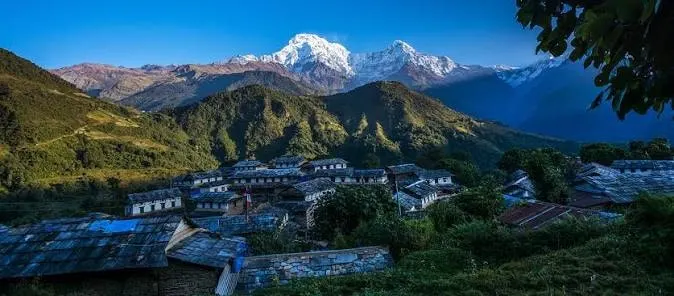
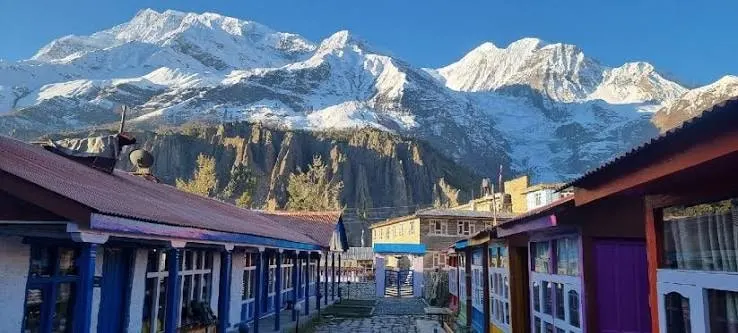
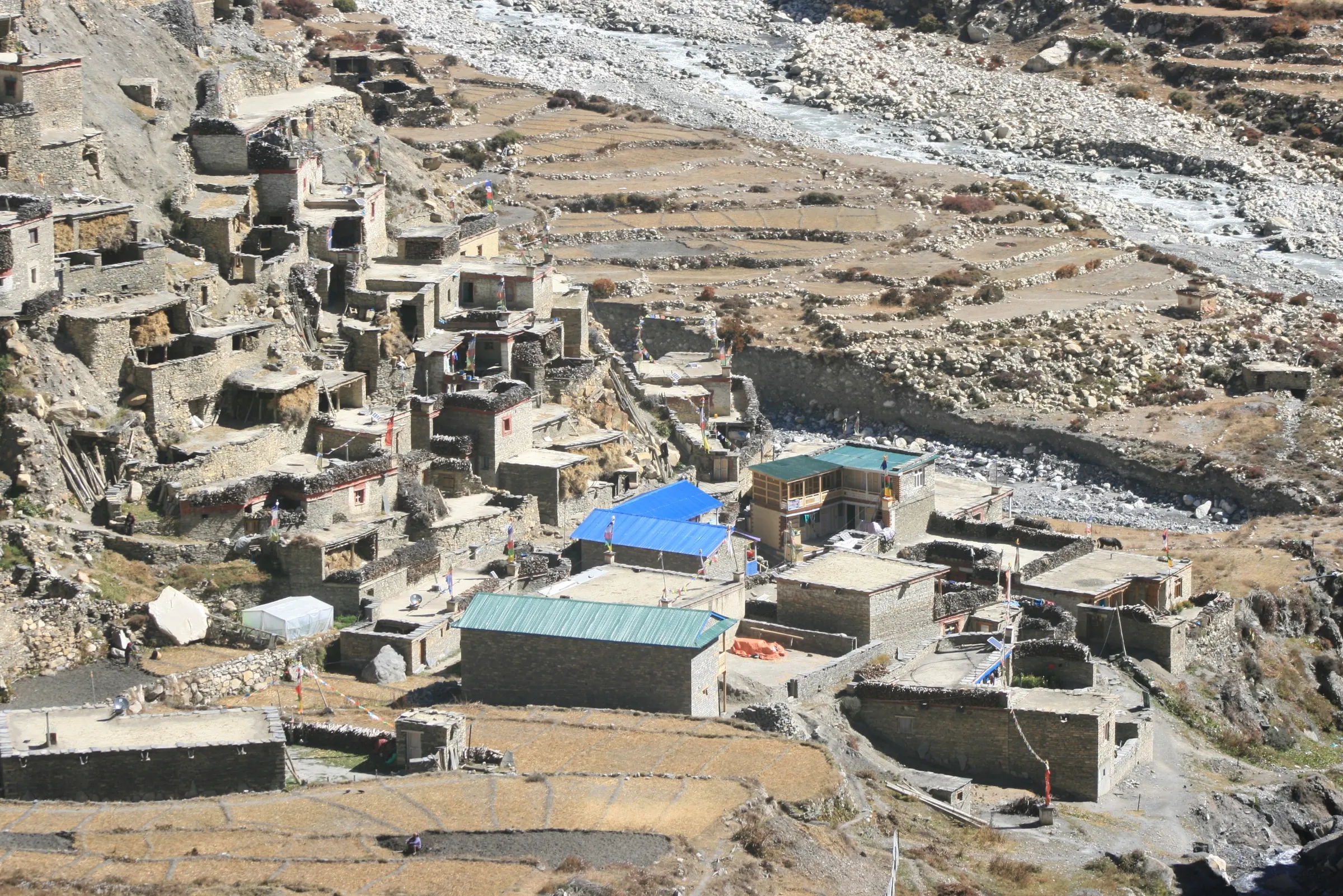
Houses in Gatlang and Briddim are built of stone with carved wooden windows. You usually sleep in a simple room with two beds, thick blankets and a small window. Some rooms are in the family house, some in a separate guest building.
Toilets are often outside and squat-style. Showers are a bucket of hot water or a simple solar shower. Electricity is usually there for lights and charging, but not always reliable.
Rooms: twin beds, blankets, sometimes shared
Toilets: outside, mostly squat toilets
Showers: bucket or solar, ask your hosts
Charging: usually possible, bring a power bank
Food with your hosts
Meals are cooked in the family kitchen and eaten together. Dinner is usually dal bhat: rice, lentil soup, vegetable curry and pickle, with refills until you are full. Breakfast might be Tibetan bread, porridge or eggs, with milk tea.
If you are vegetarian or have allergies, tell your guide on the first day. Families are used to cooking for trekkers and happy to adjust.
“In Briddim my mother still cooks for trekkers. She always says the same thing: eat more. Nobody leaves our house hungry.”
How to be a good guest
Tamang culture is closely linked to Tibetan Buddhism, and a few simple habits go a long way.
Take off your shoes before going into the kitchen or the family room
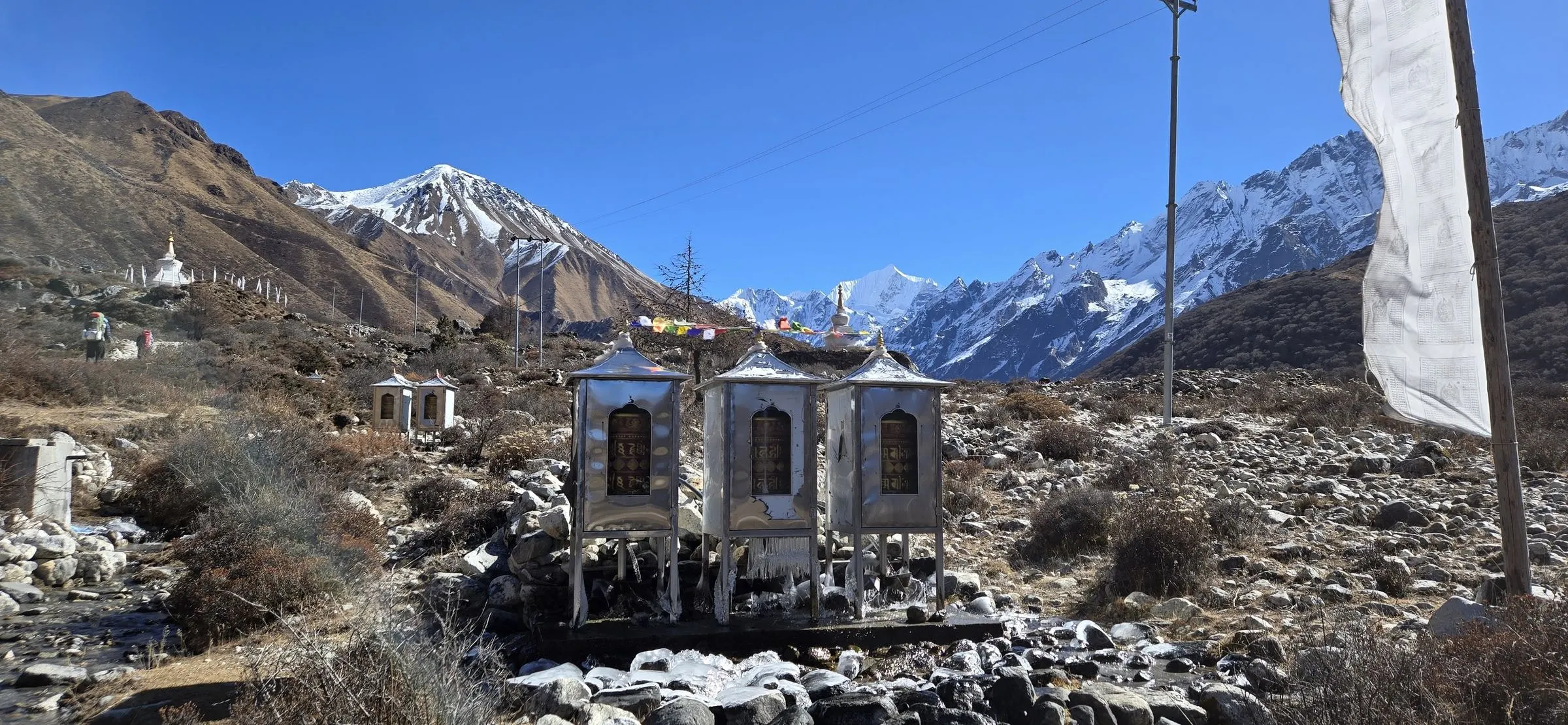
Walk clockwise around chortens, mani walls and prayer wheels
Ask before taking photos of people, especially elders
Don't point your feet at the fire or at people
Accept tea with both hands; a little praise for the food is always welcome
Your guide translates and explains as you go, so don't worry about getting everything right.
Day 2: Syabrubesi to Gatlang (2,238 m)
Terraced fields · First Tamang village
5–6 hrs · 2,238 m
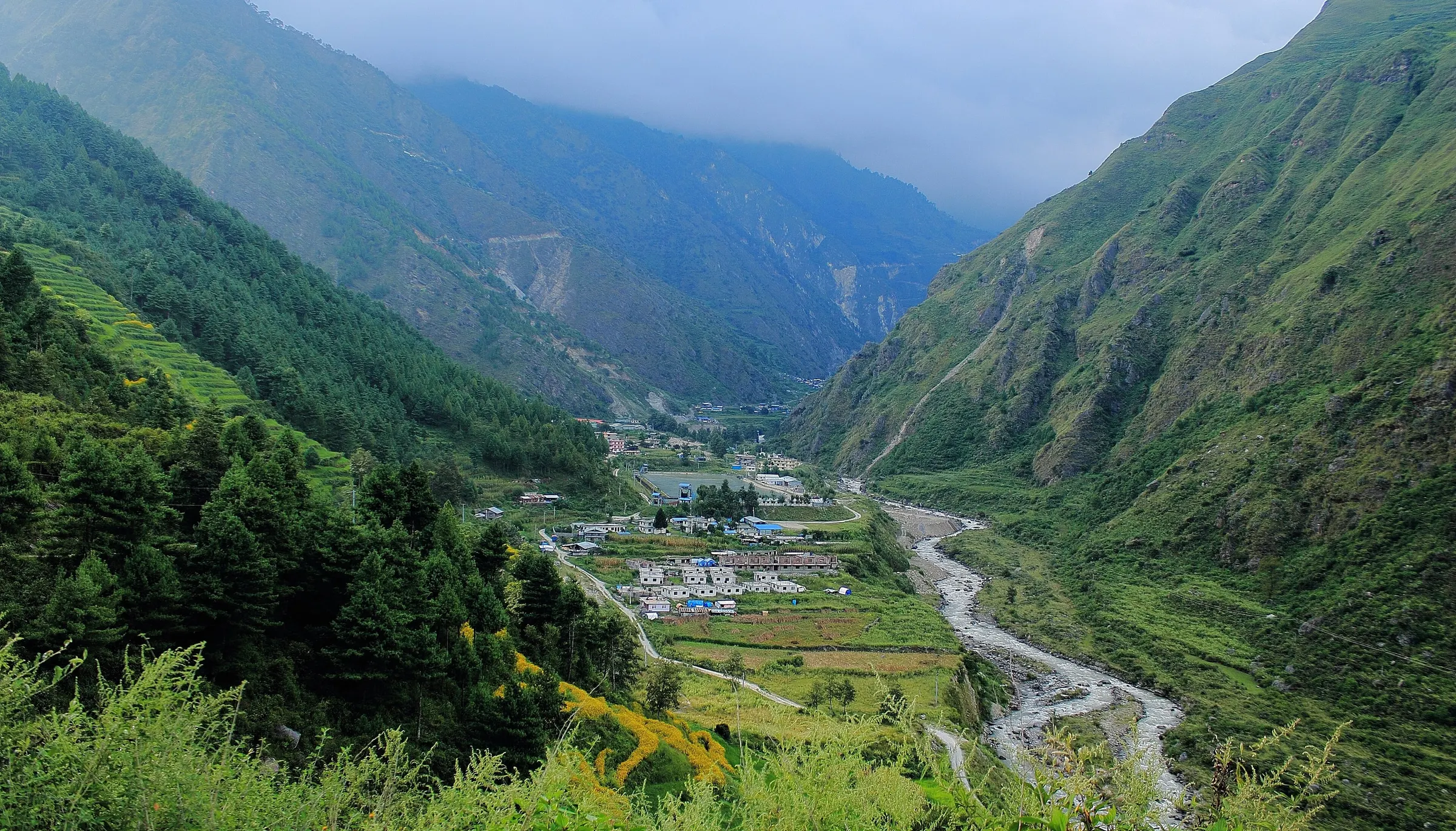
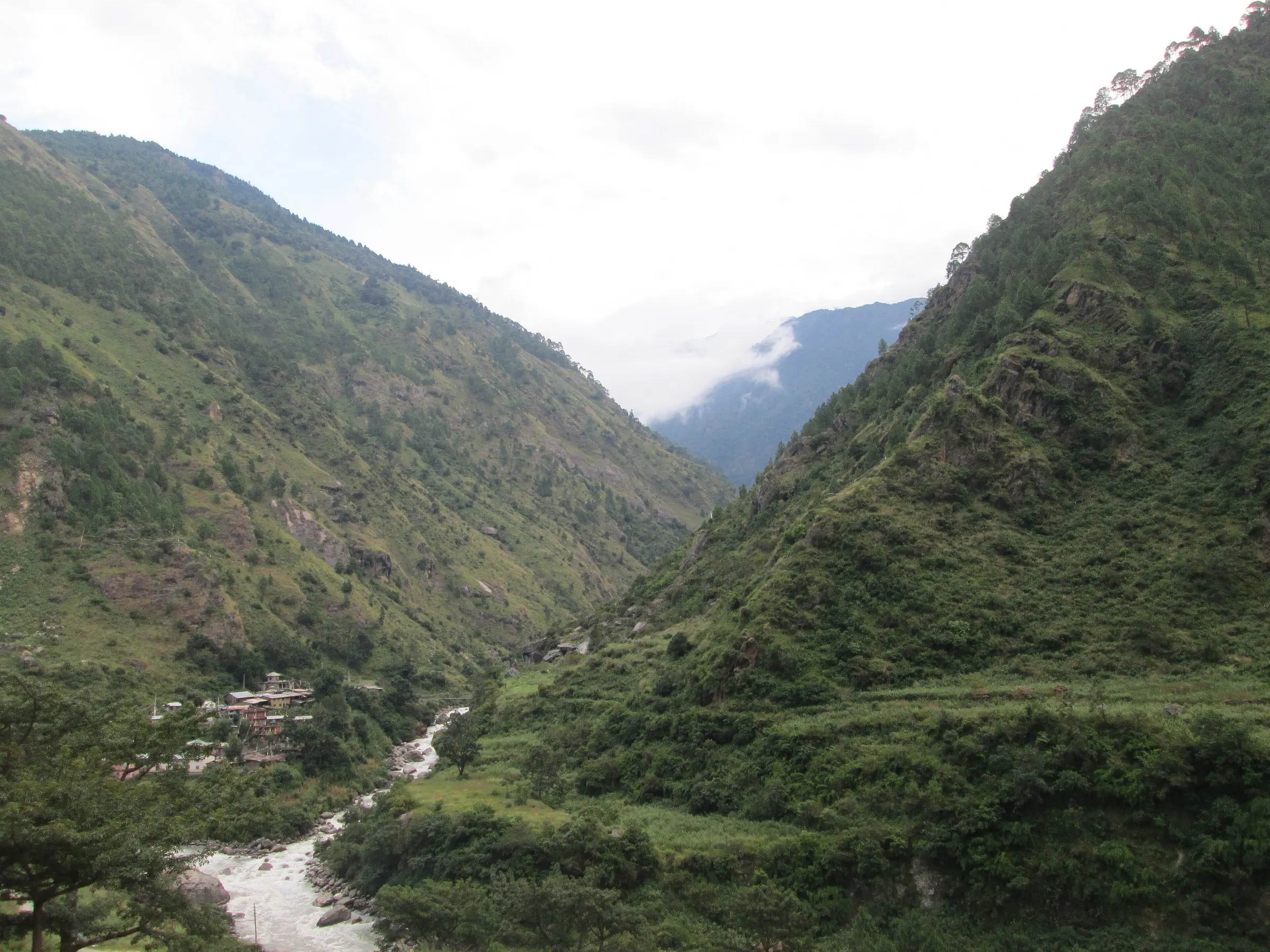
Climb above the valley through forest and farmland to Gatlang, a large Tamang village of stone houses with carved windows. First night in a homestay.
Day 3: Gatlang to Tatopani (2,607 m)
Chilime valley · Natural hot springs
5–6 hrs · 2,607 m
Walk down past Chilime and climb through forest to Tatopani, where natural hot springs are the reward for the day.
Day 4: Tatopani over Nagthali (3,165 m) to Thuman (2,338 m)
The high point of the trek · Mountain views to Tibet
5–6 hrs · 3,165 m · High point
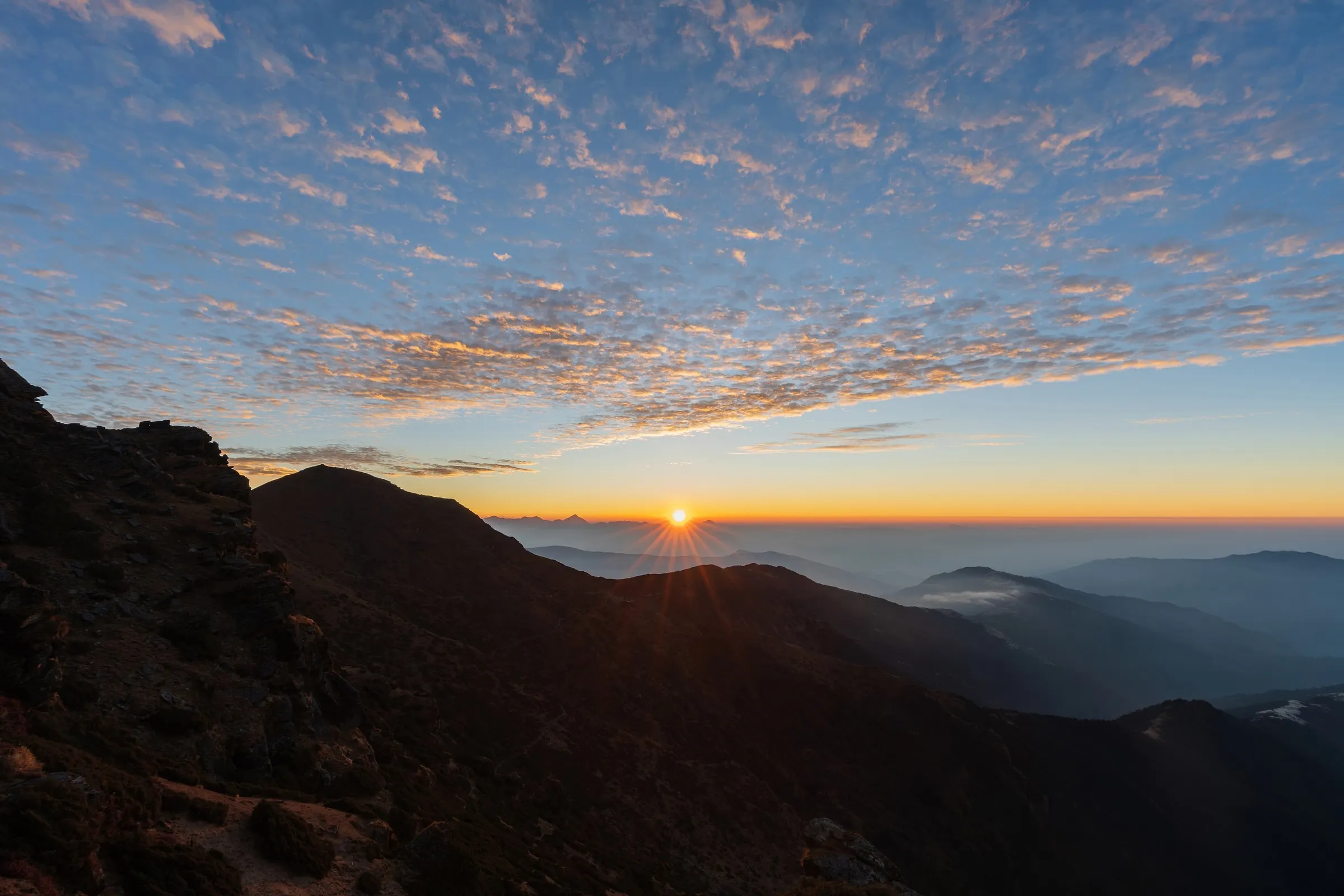
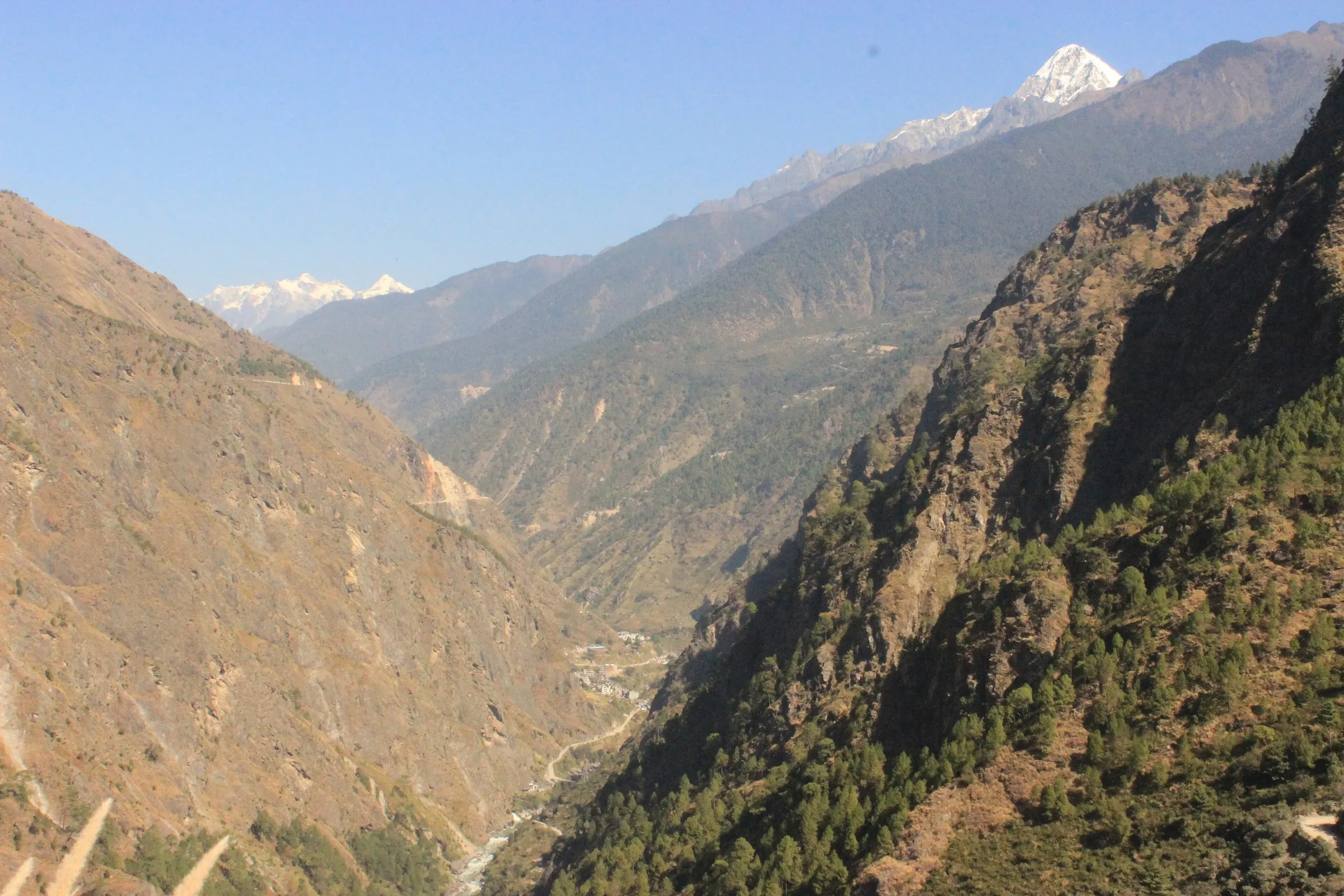
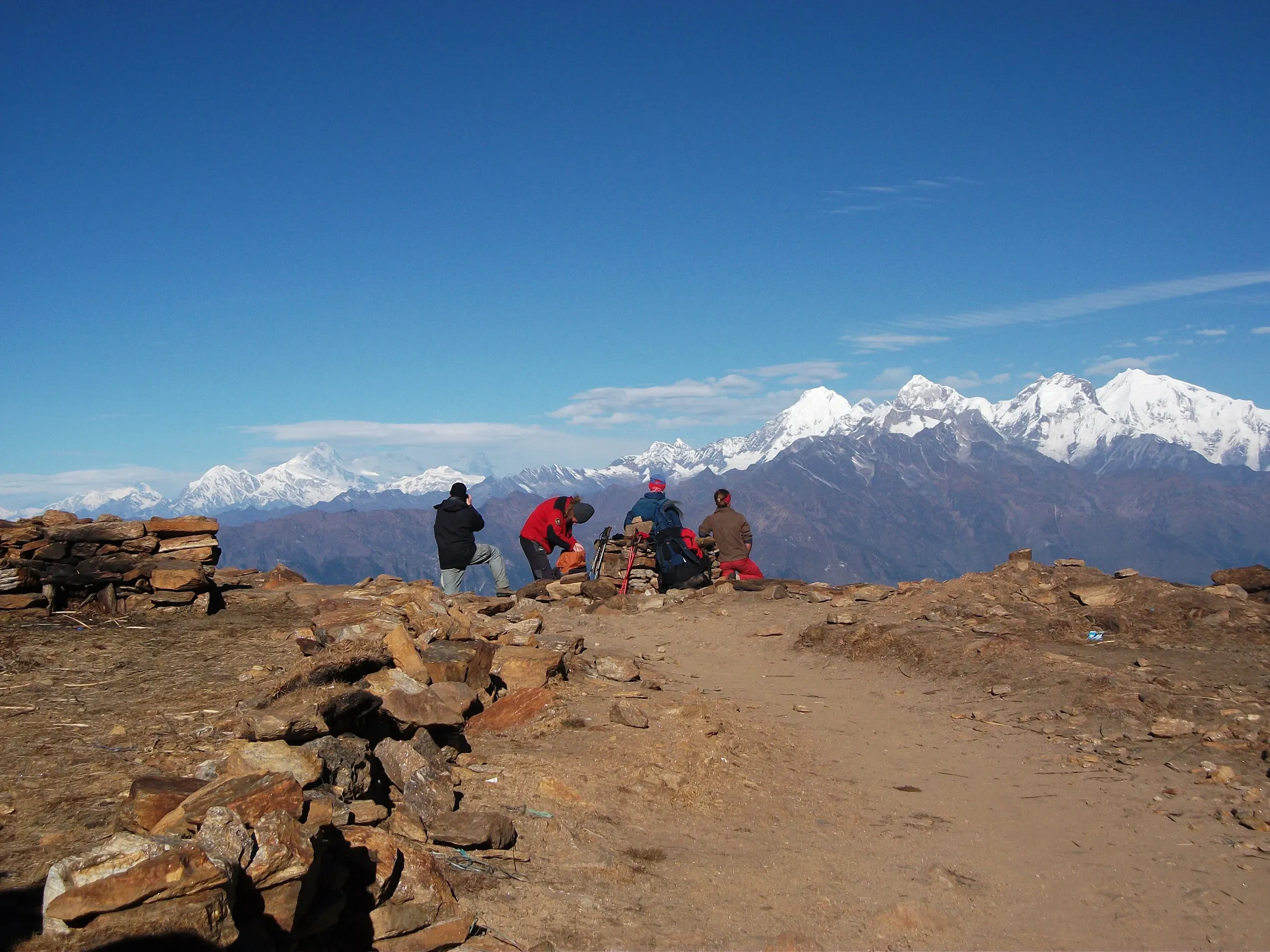
Climb through rhododendron forest to the open meadow at Nagthali, with views of Langtang Lirung, Ganesh Himal and the mountains of Tibet, then descend to Thuman.
Day 5: Thuman to Briddim (2,229 m)
Village trails · Community homestay
5–6 hrs · 2,229 m
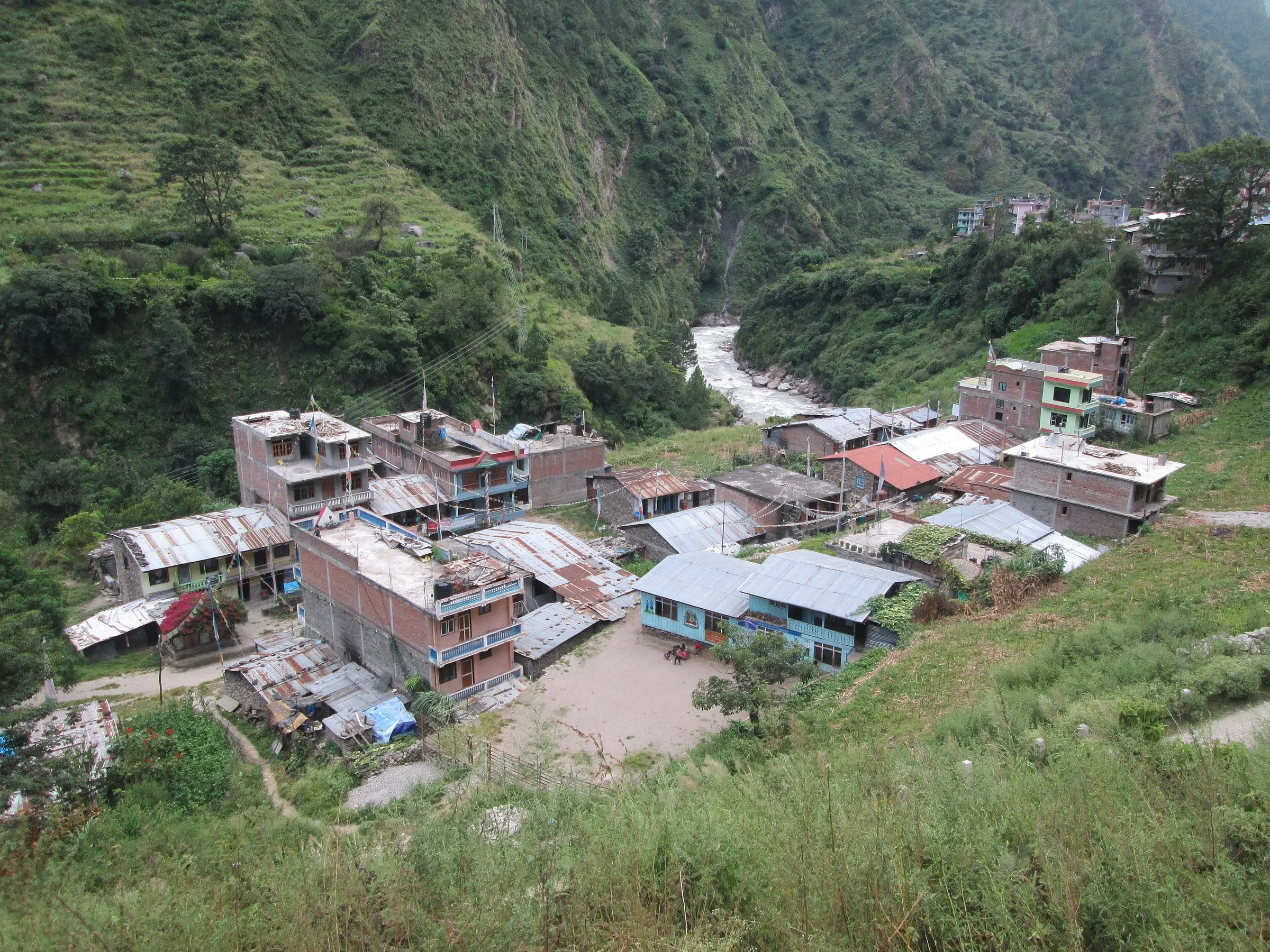
Walk down through fields and forest and climb gently to Briddim, known for its community homestays. An evening with your host family.
A day on the trail, village to village
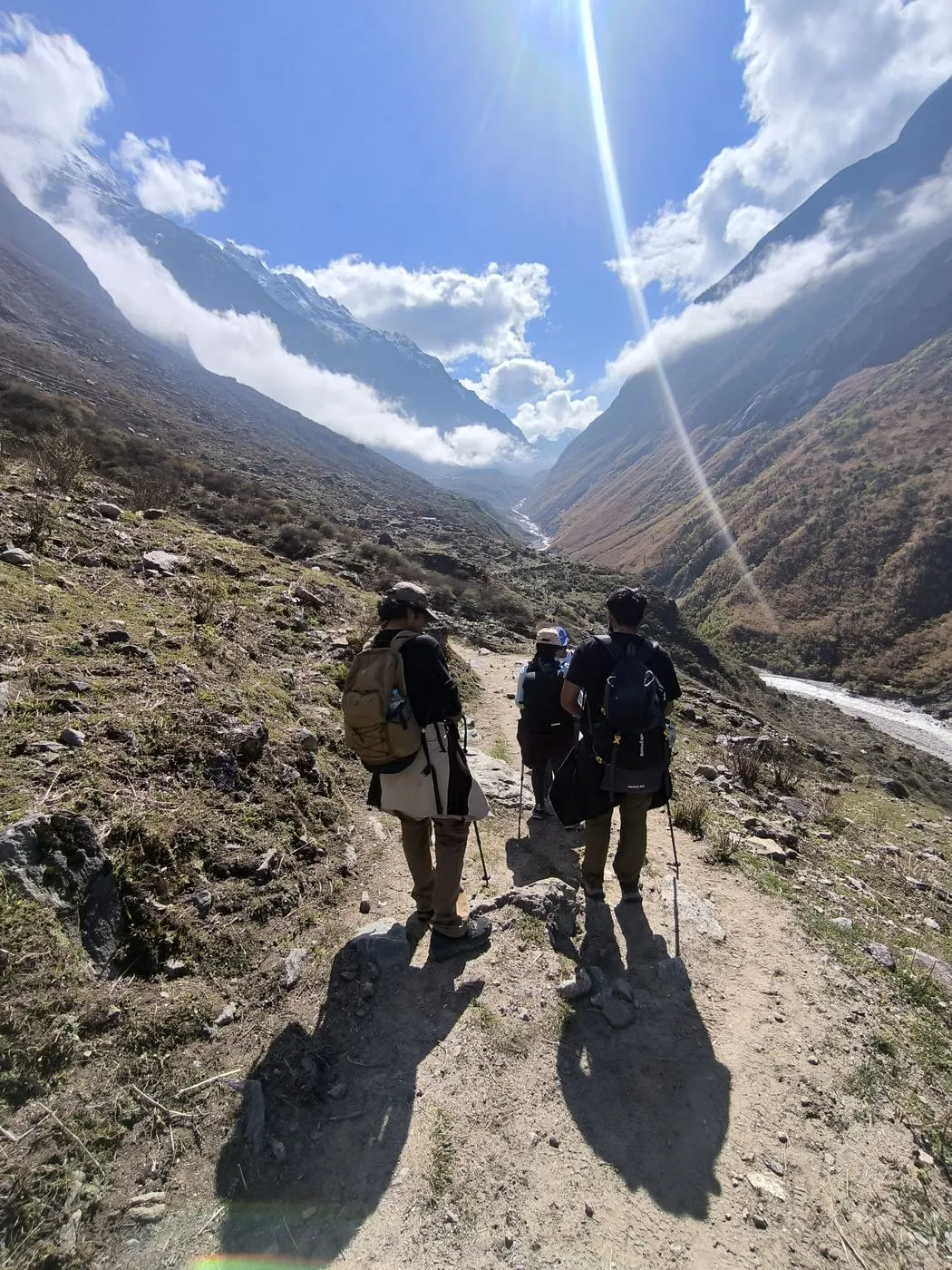
Most days are short, 4–6 hours of walking, so you arrive in the next village in the early afternoon. That leaves time to see village life rather than just sleep in it.
Gatlang
A large Tamang village of stone houses with carved windows, set among terraced fields. Many families still weave on wooden looms, and the monastery sits above the houses.
Tatopani
The name means hot water. The natural hot springs here are open to everyone, and an afternoon soak after the climb is a highlight of the trek.
Nagthali and Thuman
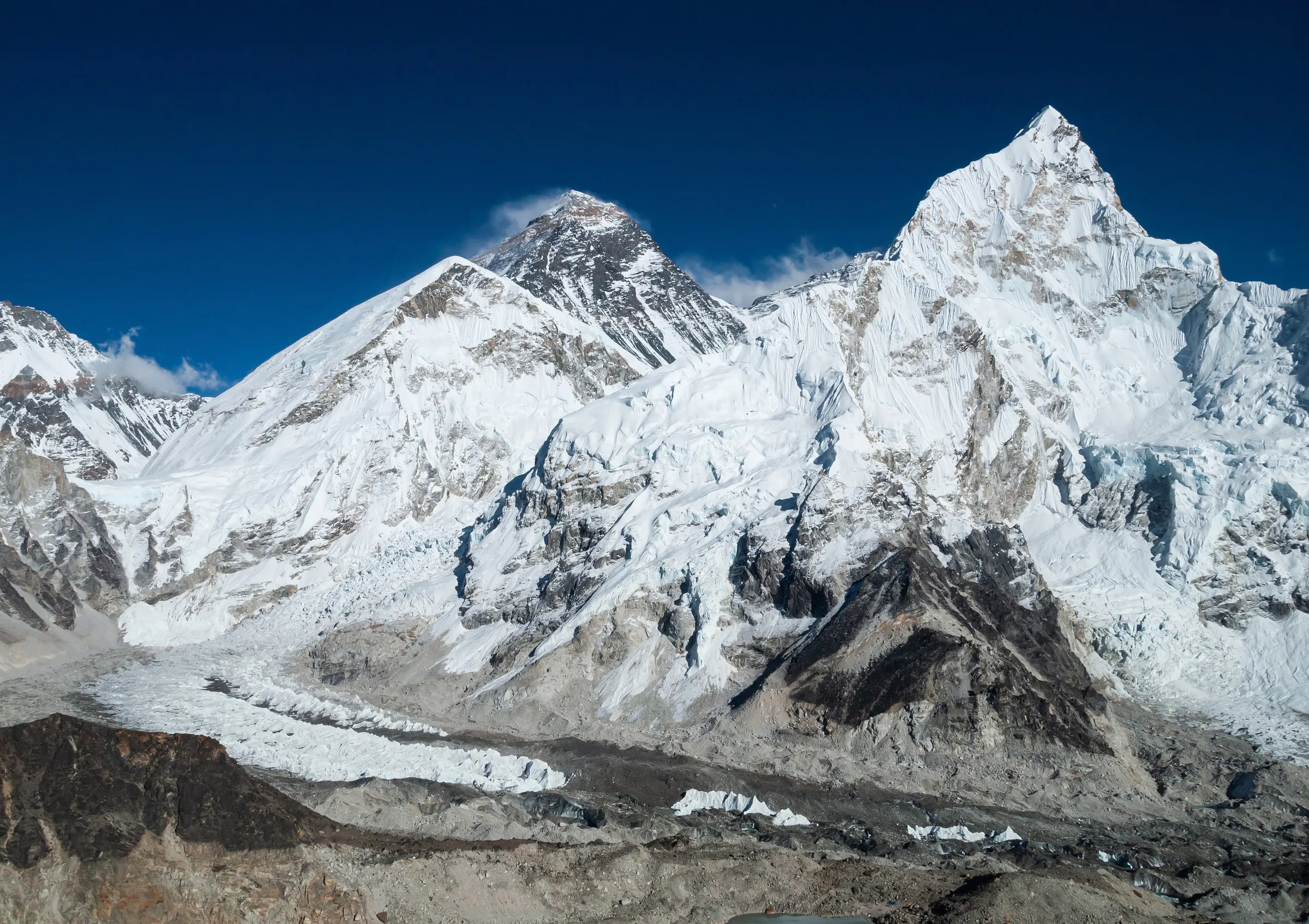
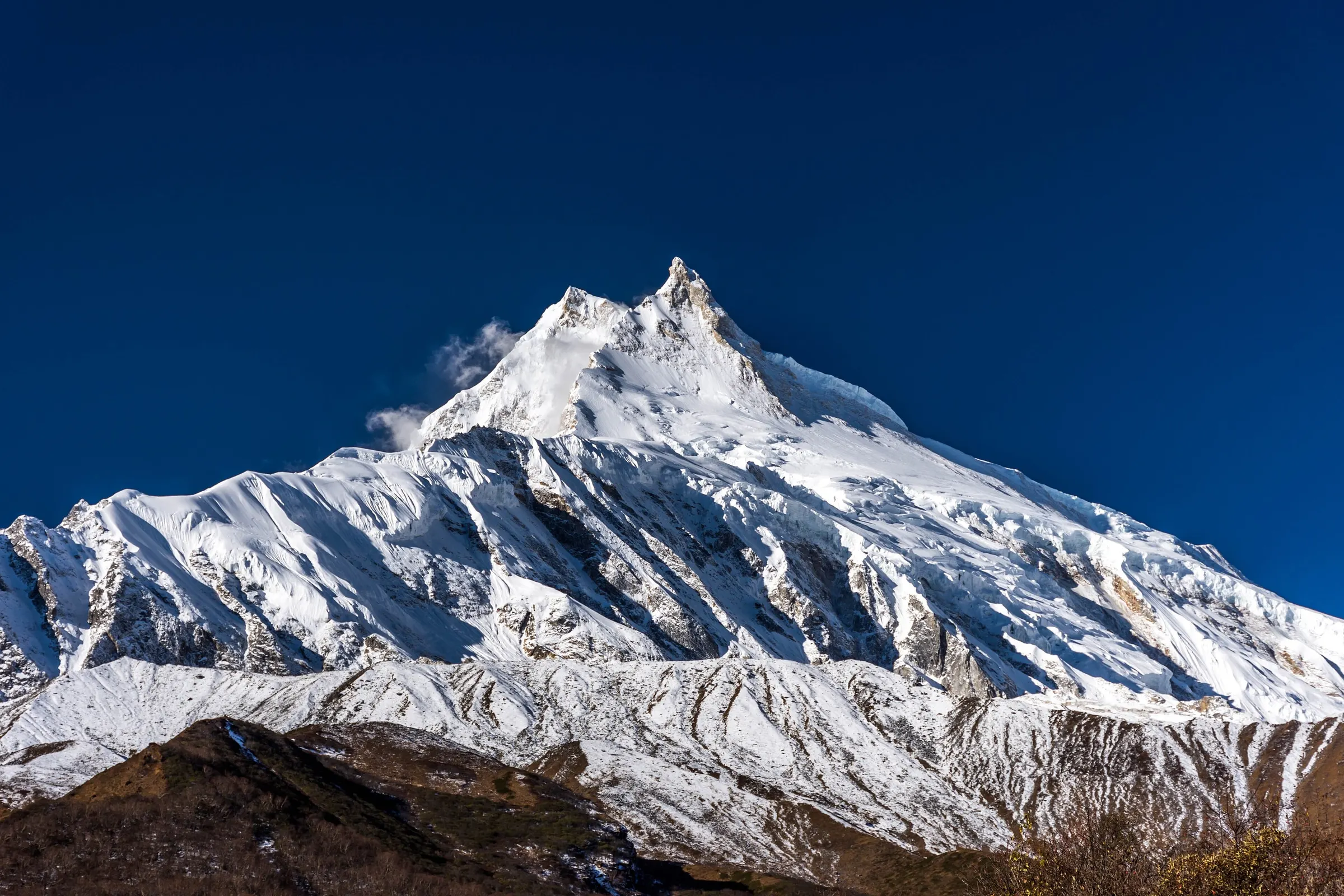
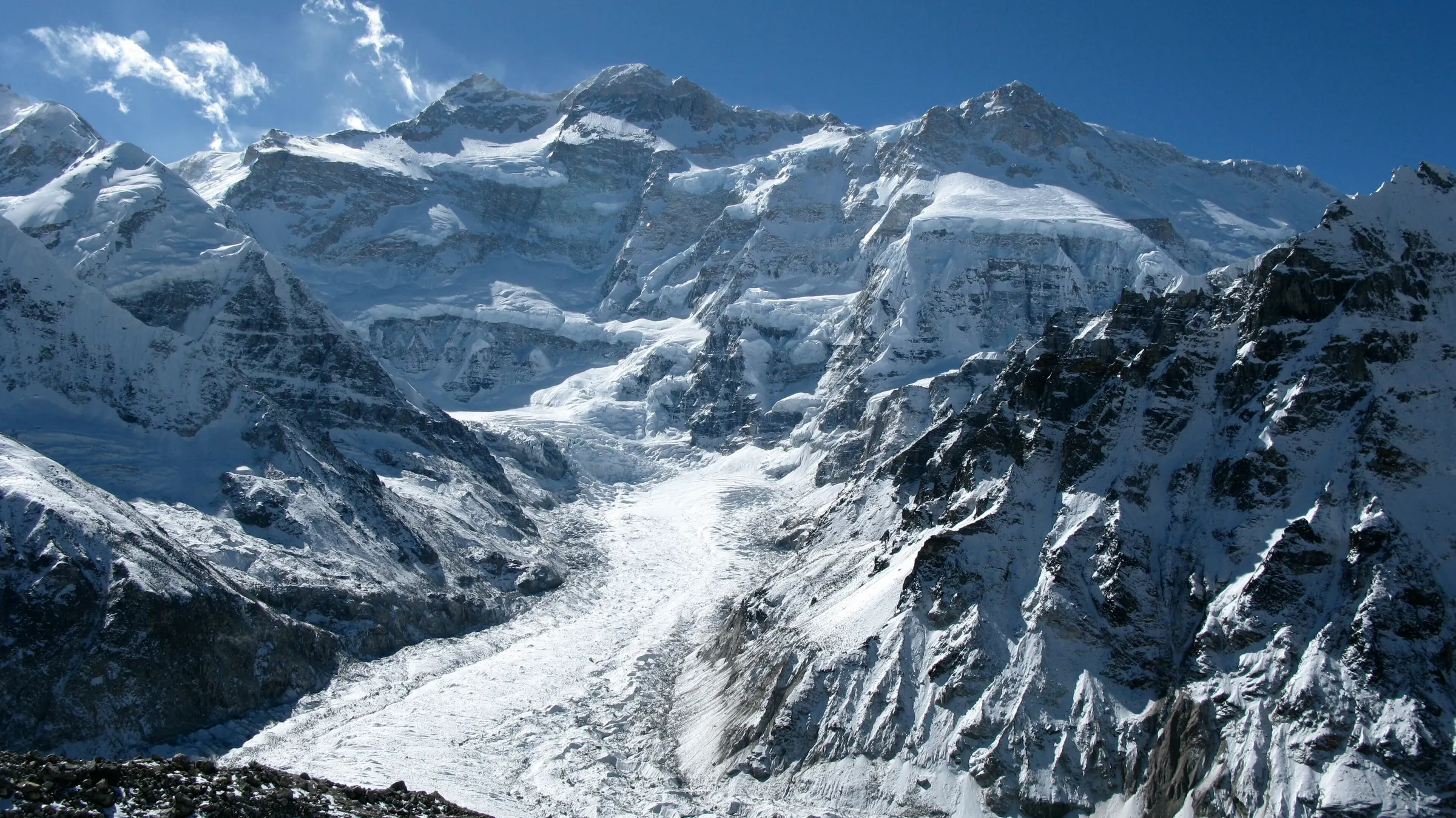
Nagthali is a high meadow at about 3,165 m with wide views of Langtang Lirung, Ganesh Himal and the peaks of Tibet. Thuman, below it, is a quiet farming village with friendly homestays.
Briddim
One of the first community homestay villages in the area. Families take turns hosting, so the income is shared across the village.
How your stay helps the village
The Tamang Heritage Trail was set up so that trekking income reaches villages off the main Langtang trail. When you sleep and eat in a homestay, the money goes straight to the family, not to a lodge owner in Kathmandu.
Many families use it for school fees, house repairs and their fields. Some still remember the hard years after the 2015 earthquake, when tourism stopped. Every trekker who comes back helps the valley recover a little more.
Evenings in a Tamang home
Evenings are the best part. After dinner the family often stays in the kitchen around the fire, and your guide translates the questions going both ways: where you come from, how many brothers and sisters you have, why you walk so far for fun.
In some villages, especially around festivals, neighbours gather to sing and dance the Tamang selo, accompanied by the damphu, a small round drum. If you are invited to join, say yes. Nobody minds if you don't know the steps.
Nights are quiet and dark, and most of the village is asleep by nine. Mornings start early with the sound of animals being taken out to the fields.
Extra things to pack for homestays
- A sleeping bag liner for clean, warm nights
- Headlamp for outside toilets at night
- Toilet paper and hand sanitiser
- Flip-flops or camp shoes
- A small gift from home for your hosts' children, if you like
Want to stay with Tamang families?
Plan it on WhatsAppFrequently asked questions
Are homestays safe and clean?
Yes. The families we work with host trekkers every season and keep rooms simple but clean. Your guide checks each house and stays in the village with you.
Can I stay in a lodge instead?
In some villages there are small lodges, and Syabrubesi has hotels. Most trekkers choose homestays because they are the point of this trail.
Is the Tamang Heritage Trail good for families?
Very. The days are short, the highest point is about 3,165 m at Nagthali, and children are welcome in every village.
Can I combine it with the Langtang valley?
Yes. Both start in Syabrubesi, so you can walk the heritage loop first and then head up to Kyanjin Gompa, for 12–14 days in all.