Government-licensed trekking agency · Reg. tourest registation · TAAN member

Travel To Nepal

2027/2028 season open · start on any date you choose

Nar Phu Valley Trek 10 Days (Itinerary, Cost, Complete Guide)

  • 12 days
  • Challenging (grade 4 of 5)
  • Max altitude: 5,320 m (Kang La Pass)
  • Best window: Apr–May, Sep–Nov
Nar Phu valley, Nar Phu Valley Trek 10 Days
  • Local guide-led
  • Acclimatisation days

Introduction

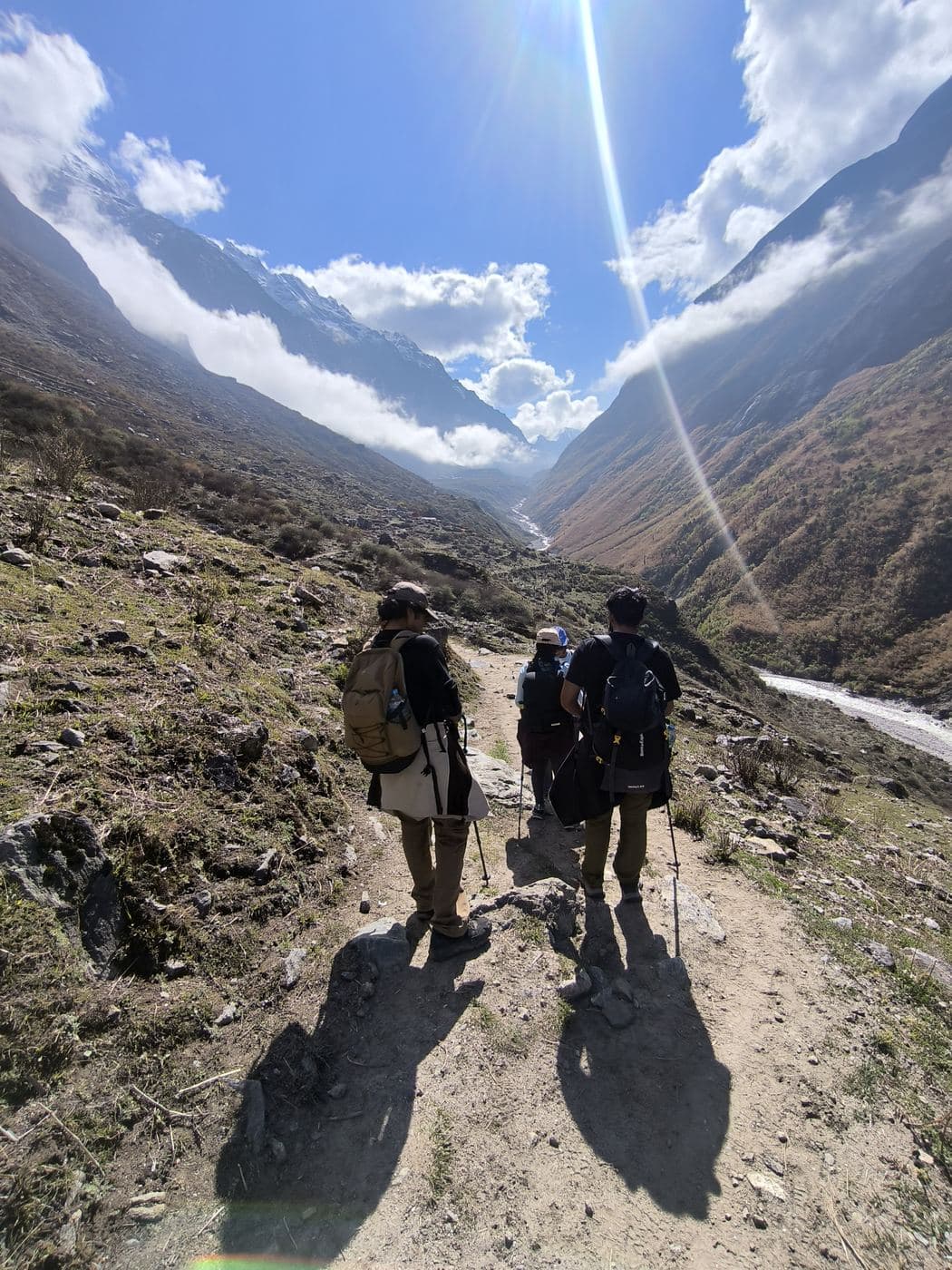
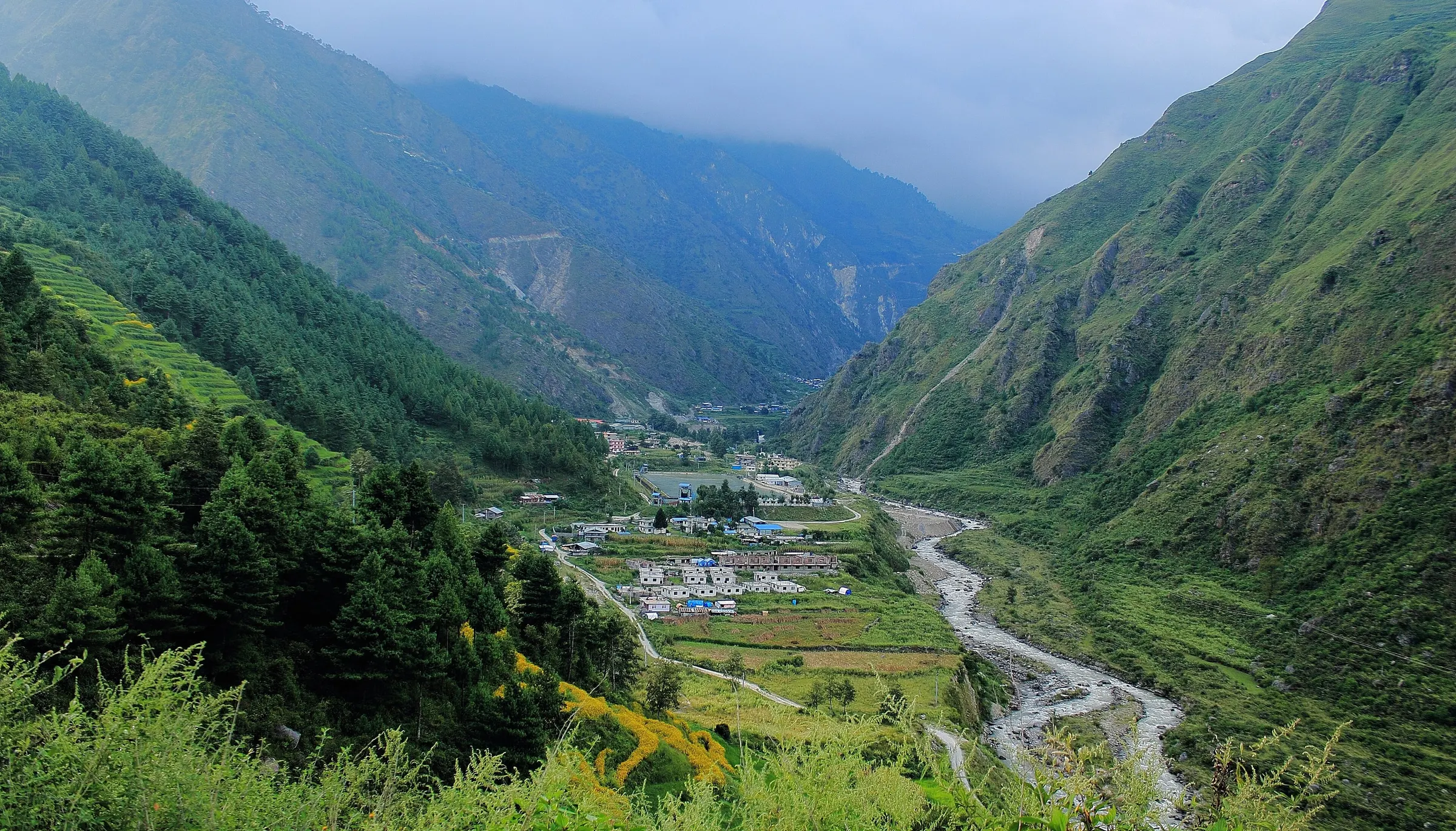
The Nar Phu Valley Trek takes you through the restricted area of the Annapurna Conservation Area in northern Nepal. The name of the valley comes from two of its popular villages: Nar Village and Phu Village.

Trip overview and key specifications

Verified route 2027/2028

Start / finish
Kathmandu / Koto and Manang
Total distance
~95 km / 59 miles
Daily walking
4 to 9 hours a day
Guide to trekker
1 : 4 + porters
Country
Nepal
Duration
12 days
Difficulty
Challenging
Max. altitude
5,320 m / 17,454 ft
Best season
Apr–May, Sep–Nov
Accommodation
Lodges, homestays and hotel
Transport
Jeep via Besisahar
Activity
Trekking / hiking

Our heritage and roots

Born in the mountains of Nepal: our story

Born and raised in the mountains of Nepal, our founder grew up walking Himalayan trails with the elders of his village. That lifelong respect for the mountains became the foundation of Travel To Nepal.

Sujan SherpaFounder and lead trek director

Read our story

Direct local consultation

Do you have any specific questions that you want to ask us personally?

Message us on WhatsApp or send us an email. Either I or my team will personally answer your questions and make sure all your doubts are answered properly.

  • Prompt 1-to-1 local advice
  • Free itinerary discussion
  • Fast reply on WhatsApp

Trek milestones

Nar Phu Valley Trek highlights and why you will love this trek

  • Kang La pass (5,320 m / 17,454 ft)

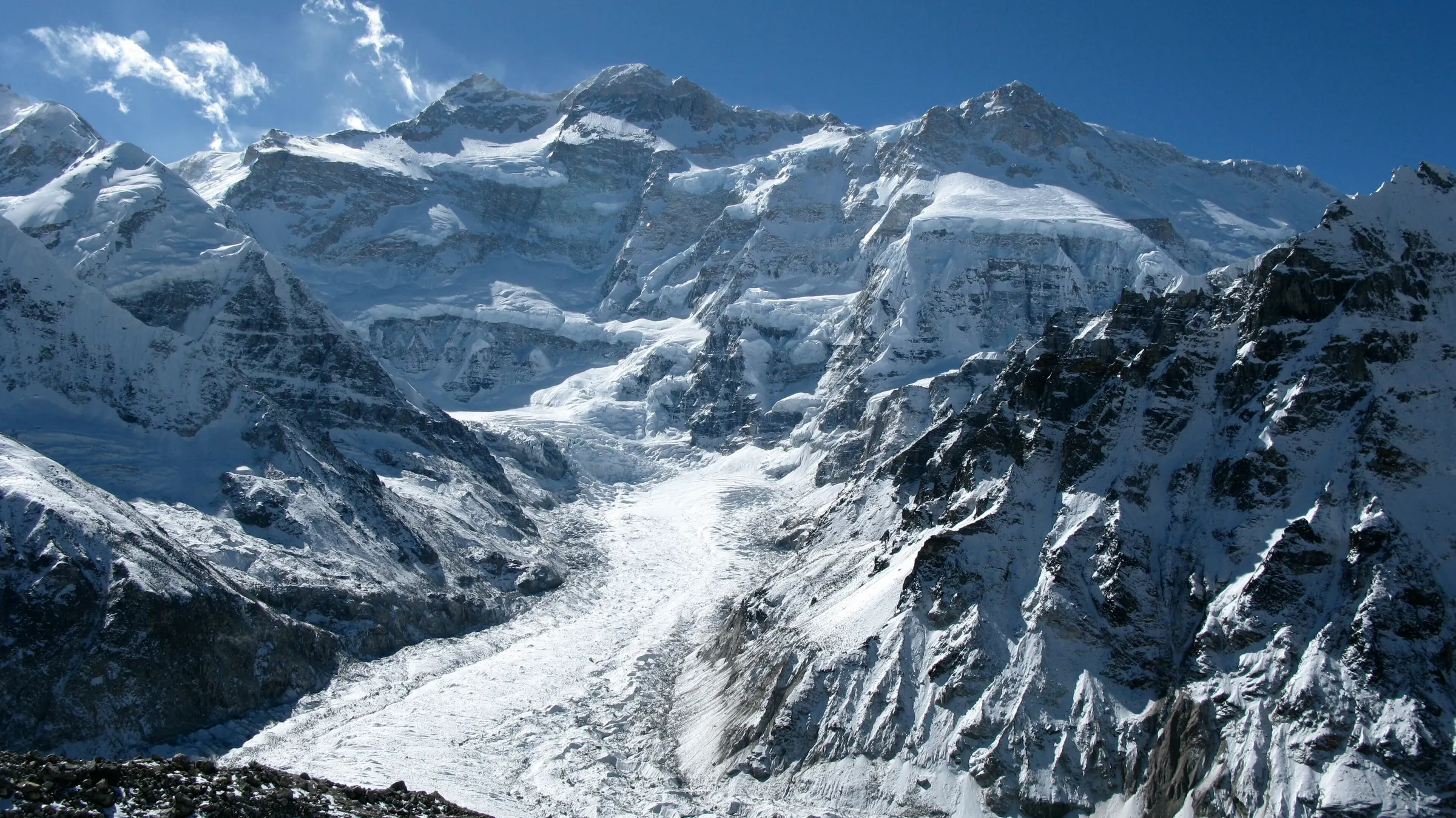
    A high, quiet pass with Annapurna II and Gangapurna in front of you on the way down to Ngawal.

  • Phu village and Tashi Lhakhang monastery

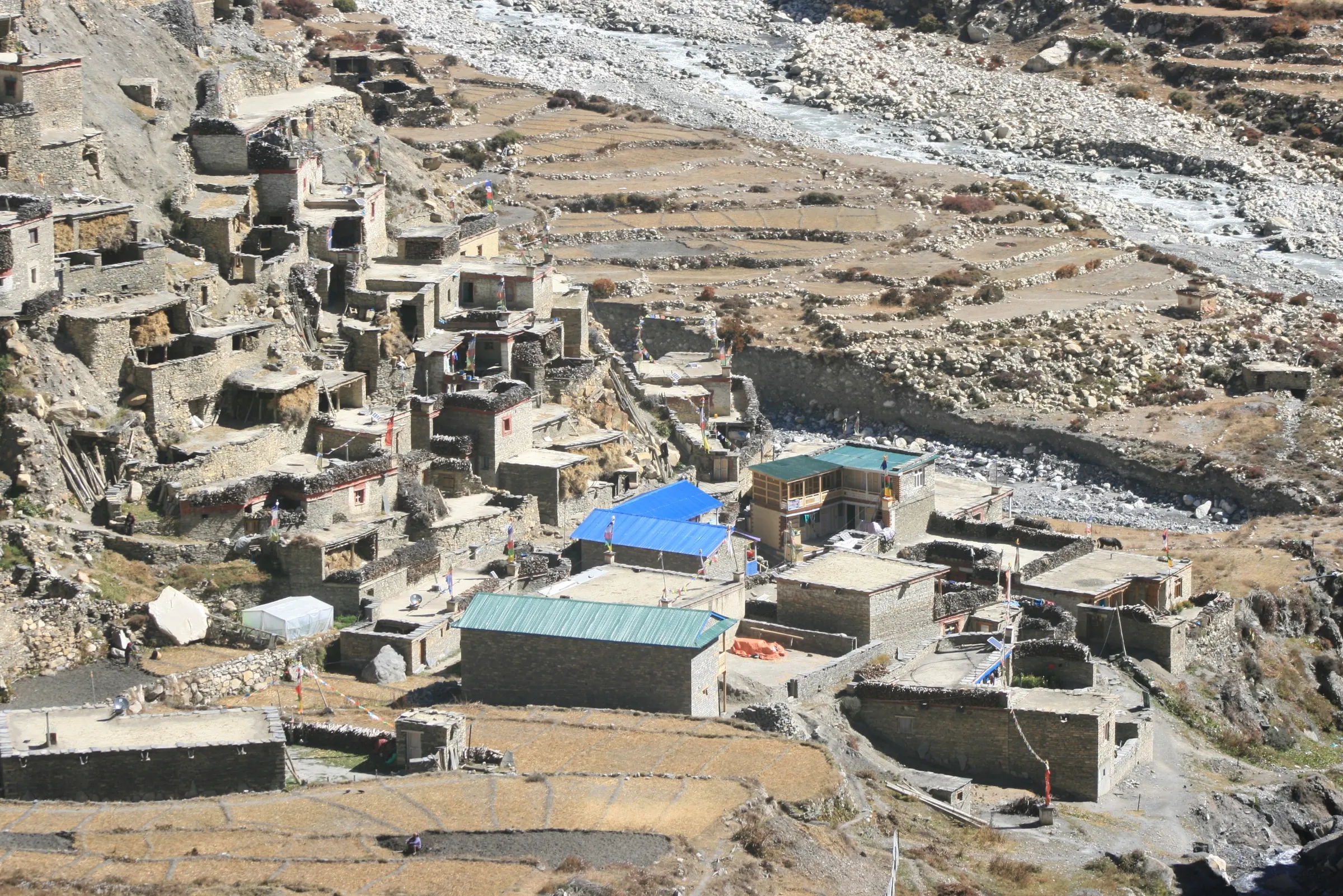
    An old fortress-like village at 4,080 m, with a free day to explore the monastery and the valley.

  • Nar, a village of stone houses

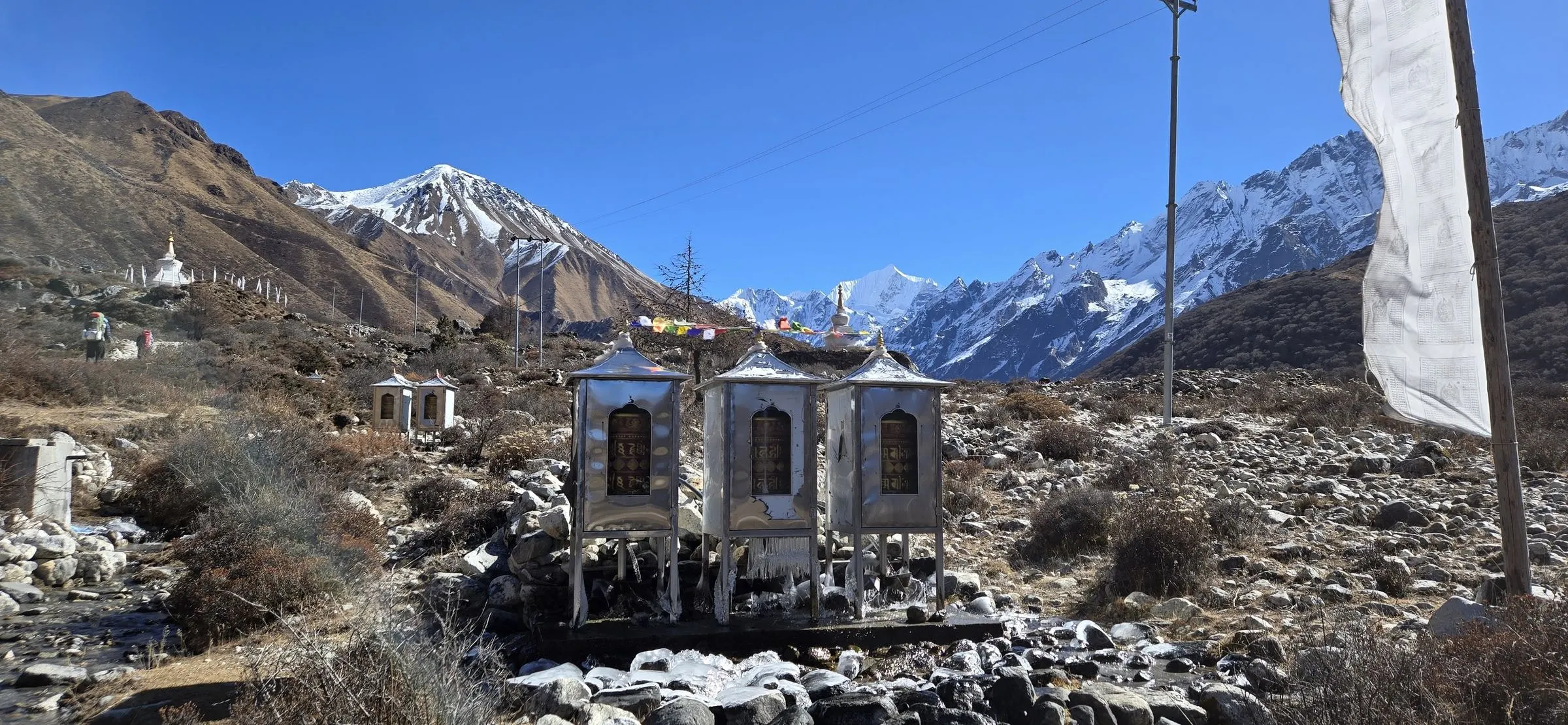
    Prayer flags, chortens and herding families at 4,110 m, below the Kang La.

  • The canyon above Koto

    A narrow gorge with waterfalls and caves that opens into high pastures and summer camps.

  • Very few trekkers

    The restricted-area rules keep numbers low, even in the busiest months.

  • Rain shadow behind the Annapurnas

    Drier than most of Nepal, so even early summer can be a good time to go.

Trekker suitability guide

Is this trek for you?

An honest checklist from our guides to help you decide if Nar Phu suits your goals.

Suitability checklist

  • Physical demands and fitness: 4 to 9 hours of walking a day, with a long pass day of 8–9 hours. Good fitness and stamina are needed.

  • Altitude and acclimatization: Several nights above 4,000 m and a 5,320 m pass. Best for trekkers who have been to altitude before.

  • Technical skill required: None, but the pass can have snow and ice, and some trail sections are narrow and rocky.

  • Trail comfort and accommodation: Simple lodges and village homestays. Rooms are cold and basic, and hot showers are rare.

  • Mental resilience: Be ready for remote valleys, cold nights and changing plans if weather closes the pass.

  • Medical conditions: With heart or lung conditions or severe asthma, speak to your doctor before booking.

Unsure about your fitness or readiness?Our lead trek director gives a free, no-obligation preparation check.

Ask Sujan on WhatsApp

Step-by-step route

12-day day-by-day itinerary

Thirteen days from Kathmandu into the hidden valleys of Nar and Phu and back. You drive to Besisahar and on by jeep to Koto, climb through the canyon to Meta and Phu, rest a day in Phu, walk to Nar, cross the Kang La to Ngawal and finish in Manang before driving back. Nights are in simple lodges and village homestays.

  1. Day 1: Arrive in Kathmandu (1,400 m), welcome and trip briefing

    Airport pickup · Permits and gear check

    Arrival · 1,400 m

    Our team meets you at the airport. In the evening we check your gear and passport details for the restricted-area permit and talk you through the route.

  2. Day 2: Drive Kathmandu to Besisahar (760 m)

    Trishuli and Marsyangdi valleys

    6–7 hrs drive · 760 m

    A long drive west along the Trishuli river and up the Marsyangdi valley to Besisahar, the gateway to Manang.

  3. Day 3: Jeep Besisahar to Koto (2,600 m)

    Up the Marsyangdi gorge · Waterfalls

    6–7 hrs drive · 2,600 m

    A bumpy but dramatic jeep ride up the Marsyangdi gorge past Chamje and Dharapani to Koto, where the Nar Phu trail begins and permits are checked.

  4. Day 4: Koto to Meta (3,560 m) through the Nar Phu canyon

    Narrow gorge · Forest and waterfalls

    6–7 hrs · 3,560 m

    Cross the river at Koto and follow the narrow canyon through pine forest and past waterfalls, climbing steadily to the open plateau at Meta.

  5. Day 5: Meta to Phu (4,080 m) via Kyang

    Chortens and herding camps · Phu Gate

    6–7 hrs · 4,080 m

    Pass the summer settlement of Kyang and rows of old chortens, then walk through the gate below Phu into the village perched above the river.

  6. Day 6: Acclimatisation day in Phu (4,080 m)

    Tashi Lhakhang monastery · Village life

    2–4 hrs walks · 4,080 m

    A rest day to adjust to the height. Visit the Tashi Lhakhang monastery, walk through the old village and watch daily life with the herding families.

  7. Day 7: Phu to Nar Phedi (3,490 m)

    Back down the valley · Satek monastery

    6–7 hrs · 3,490 m

    Walk back down past Kyang and Meta, then drop to the river at Nar Phedi, where the night is spent near the Satek monastery.

  8. Day 8: Nar Phedi to Nar (4,110 m)

    Short climb · Afternoon in the village

    3–4 hrs · 4,110 m

    A steady climb past chortens and prayer walls to Nar. The afternoon is free to explore the village and prepare for the pass.

  9. Day 9: Nar over the Kang La (5,320 m) to Ngawal (3,660 m)

    The high point of the trek · Annapurna II ahead

    8–9 hrs · 5,320 m · High point

    An early start up the long slope to the Kang La, with Annapurna II, Gangapurna and Tilicho Peak ahead. A steep descent brings you to Ngawal on the upper Annapurna Circuit.

  10. Day 10: Ngawal to Manang (3,540 m)

    Upper Manang valley · Gangapurna lake

    3–4 hrs · 3,540 m

    An easy walk through Braga to Manang, with time in the afternoon to see the Gangapurna glacier lake or the old Braga monastery.

  11. Day 11: Jeep Manang to Besisahar (760 m)

    Down the Marsyangdi valley

    7–8 hrs drive · 760 m

    A long jeep ride back down the valley past Chame and Koto to Besisahar.

  12. Day 12: Drive Besisahar to Kathmandu (1,400 m)

    Free evening · Farewell dinner

    6–7 hrs drive · 1,400 m

    Drive back to Kathmandu. The evening is free for shopping and a farewell dinner with your team.

Tailor-made treks

Unlimited free changes until it is right

Custom itinerary and private changes

Want to match your own pace, fitness, group or holiday dates? Tell us what you have in mind and our Kathmandu team will change the route as many times as you need, until it is the Nar Phu Trek you want.

  • Extra rest day
  • Add a side trip
  • Private guide and porter
  • Slower or faster pace

WhatsApp +977 980000000 · traveltonepal102@gmail.com · Reply usually within a few hours

Local expertise and safety first

Meet your trek guide

Licensed guides who know the Manang valleys well, trained in wilderness first aid and experienced on the Kang La.

  • Annapurna local

    WFR certified

    Tsering Lama

    17+ yrs guiding

    Restricted-area trek leader

    Samagaon, Gorkha

    “On the Larkya La we start before dawn and turn back if the weather says so. That is how we come home.”
    Cert:
    Wilderness first responder, trekking guide training (NATHM), mountaineering course (NMA)
    Languages:
    English, Nepali, Tibetan

Full disclosure

What's covered · What's not included

Included in the price

  • Ground transport: Kathmandu – Besisahar – Koto and Manang – Besisahar – Kathmandu by jeep.

  • Licensed guide and porters: first-aid trained, insured and fairly paid; the restricted area needs a licensed guide.

  • Lodging: 10 nights in lodges and homestays and 3 hotel nights.

  • Permits: Nar Phu restricted area permit and Annapurna Conservation Area Permit (ACAP).

  • Safety gear: pulse oximeter and first-aid kit.

  • Airport transfers: arrival and departure in Kathmandu.

Not included

  • Meals on the trek: order freely from the menu (about $25–35 a day).

  • International airfare: flights to and from Kathmandu.

  • Travel insurance: required, with helicopter rescue cover to 5,500 m.

  • Nepal tourist visa: on arrival at the airport.

  • Lodge extras: hot showers, battery charging and Wi-Fi where they exist.

Why don't we include meals in our trekking package?

Trekker-first transparency

  • Freedom of choice and appetiteAppetite changes with altitude. Order what your body wants, from dal bhat to pasta, porridge or soup.

  • Direct support for teahouse familiesYou pay the lodges directly, so all food money stays with the local families who run them.

  • No package markupsAll-inclusive meal packages are often padded. Here you pay real menu prices for what you eat.

  • Dietary needs and allergiesVegetarian, vegan or gluten-free: order on the spot and get food made the way you need it.

Average daily food budget: plan on about $25–35 USD per day for hearty breakfasts, lunches, hot dinners and boiled drinking water or tea.

Pro tips and important notes

Trail pro tips

  • “Dal bhat power”: unlimited refills of rice, lentils and vegetable curry. The best fuel at altitude.

  • Simple menus: in Phu and Nar, food is mostly dal bhat, noodles, potatoes and Tibetan bread.

  • Stay hydrated: drink 3–4 litres a day (ginger-lemon-honey tea, garlic soup, boiled water).

  • Cash is king: there are no ATMs in the valley. Bring enough Nepali rupees from Kathmandu.

Essential teahouse notes

  • Eat where you sleep: families cook for their guests, so breakfast and dinner are at your lodge or homestay.

  • Order early: order dinner in the afternoon; cooking on one stove takes time.

  • Small extras: charging and hot water cost extra and are not always available.

Acclimatization map

Route and elevation profile

Daily altitude curve

You sleep no higher than 4,110 m and only day hike to the high point.

Peak: 5,320 m

0 m1,500 m3,000 m4,500 m6,000 mKathmanduD1BesisaharD2KotoD3MetaD4PhuD5PhuD6Nar PhediD7Nar 4,110 mD8Ngawal 5,320 mD9D10D11D12
Trek start · Koto
2,600 m / 8,530 ft
Highest night · Nar
4,110 m / 13,484 ft
High point · Ngawal
5,320 m / 17,454 ft

Route and GPS waypoints

Nar Phu Valley Trek 10 Days route map

Open in Google Maps

Google interactive trail and waypoint map

Interactive map

Interactive Google map
Loading it connects to Google, which can see your IP address and may set cookies.

Stops on the route

  1. Kathmandu 1,400 mStart

    Day 1
  2. Besisahar 760 m

    Day 2
  3. Koto 2,600 m

    Day 3
  4. Meta 3,560 m

    Day 4
  5. Phu 4,080 m

    Days 5–6
  6. Nar Phedi 3,490 m

    Day 7
  7. Nar 4,110 m

    Day 8
  8. Ngawal 5,320 mHigh point

    Day 9
  9. Manang 3,540 m

    Day 10
  10. Besisahar 760 m

    Day 11
  11. Kathmandu 1,400 m

    Day 12

Interactive map by Google Maps. See our privacy policy for how Google handles your data.

Direct operator advantage

Why book your trek with us

Local leadership, honest pricing and careful safety standards, straight from our Kathmandu team.

  • Local guides from each valley

    Licensed guides who grew up in the region they lead and know the teahouse families by name.

  • Clear prices, no surprises

    Everything included is listed before you book. Meals are paid on the trail at real menu prices.

  • Safety on every trek

    Daily oxygen and pulse checks, a first-aid kit, and rescue coordinated from Kathmandu.

  • Your trek, your dates

    Every trek is private. Change the pace, days or route; we rewrite the plan for free.

  • A real person on WhatsApp

    You plan with our team directly, before, during and after your trek.

  • Fair to porters and villages

    Weight limits, warm gear, insurance and fair pay for every person on your team.

Transparent pricing structure

Group rates by team size

Book directly with our Kathmandu team, with no middlemen. Every trek is private, so you choose your own start date.

Select your 2027/2028 departure date:Guaranteed departures

Selected departure: Apr 10, 2027

*Your own private dates are also possible, at no extra cost.

Price per person by group size
Group sizePer personYour teamAction
1 person (solo)$1,750Guide + porter · may need to join others for the permit
2 people$1,590Guide + 1 porter
Popular3–5 people$1,450Lead guide + assistant + porters
6–10 people$1,350Lead guide + 2 assistants + porters
11+ people$1,260Full trekking team

Official verification

Credentials and government licences

Est. 2024 · Kathmandu

Govt. reg.
tourest registation
Tourism licence
2839292343
Memberships
TAAN 998843222
Payments
Strip

Nepal Department of Tourism registration certificateRegistration tourest registation · licensed trekking agency

The Travel To Nepal advantage

What makes this trip different

Why trekkers choose our locally led Annapurna treks.

  • Guides who know Annapurna

    Our trek leaders have walked these trails for years and know the teahouse families along the way.

  • Daily health checks

    Pulse oximeter readings morning and evening help catch altitude sickness early.

  • Fair porter welfare

    Fair wages, insurance, warm gear and strict weight limits for every porter.

  • Small private groups

    Only your group, with personal pacing and quiet teahouse evenings.

  • Money stays local

    Booking direct with a Nepali company means your money supports families along the trail.

Fast reply on WhatsApp

Book your Nar Phu Valley Trek 10 Days

Direct local pricing, no middlemen. Fill this in and we open WhatsApp with your request already written.

Trek

Nar Phu Valley Trek 10 Days — 12 days

Nothing is stored on this website. Prefer email? Send it by email

Gear and essentials

Nar Phu Trek packing list

Tested gear for the valley: nights well below freezing in Phu and Nar to warm days in the canyon.

Clothing and layering

  • Base layers: 2–3 merino or synthetic tops and bottoms.

  • Fleece mid-layer: a warm fleece or softshell.

  • Down jacket: rated to about −15 °C for nights above 4,000 m and the pass.

  • Waterproof shell: jacket and trousers for wind and snow on the Kang La.

Footwear and trail care

  • Trekking boots: waterproof, broken in, with ankle support.

  • Camp shoes: light trainers or sandals for the lodge.

  • Socks: 4–5 pairs of warm trekking socks.

  • Microspikes and gaiters: for snow on the Kang La, especially early or late in the season.

Gear and packs

  • Daypack (25–35 L): with a rain cover for layers, water and snacks.

  • Duffel bag: carried by your porter (max 15 kg).

  • Sleeping bag: comfort to −15 °C (you can rent one in Kathmandu).

  • Trekking poles and headlamp: for the pass descent and early starts.

Health, hygiene and water

  • Water purification: tablets or a UV pen, plus two 1 L bottles.

  • Medical kit: blister plasters, painkillers, rehydration salts.

  • Sun protection: SPF 50 sunscreen, glacier sunglasses and lip balm.

  • Hygiene: wet wipes, hand sanitizer and a quick-dry towel.

Practical field knowledge

Nar Phu Valley Trek guide: season, permits and high altitude

Essential insights from our local trek leaders.

Best season and weather windows

Autumn (September to November): clear, stable weather for the pass and harvest time in the villages.

Spring (April to May): good once snow eases on the Kang La; cold nights in Phu and Nar.

*The valley is in the rain shadow, so summer is drier than most of Nepal, but the road to Koto can be hit by landslides. Winter is very cold and the pass often closes.

Restricted-area permit and rules

Permits: a Nar Phu restricted area permit plus the Annapurna Conservation Area Permit (ACAP).

Through an agency: the restricted permit is issued only through a registered agency, with a licensed guide.

Group rules: we confirm the current group rules for your dates when you book.

Lodges, homestays and food

Rooms: simple rooms in lodges and family homes; bring a warm sleeping bag.

Food: dal bhat, noodles, potatoes and Tibetan bread, cooked by the family.

Hydration: drink 3–4 litres a day and treat your water; skip single-use plastic.

Emergency plan and helicopter evacuation

Rescue: our Kathmandu office coordinates helicopter evacuation with your insurer if it is ever needed.

On the trail: your guide carries a first-aid kit and pulse oximeter and knows the safe places to land.

Insurance: travel insurance covering evacuation from above 5,000 m is required for every trekker.

Frequently asked questions for the Nar Phu Valley Trek 10 Days

General information

What are the highlights of the Nar Phu Valley Trek?

The stone villages of Phu and Nar, the Tashi Lhakhang monastery, the canyon above Koto, the crossing of the Kang La (5,320 m) and very few other trekkers.

What is the highest altitude on the trek?

The Kang La at 5,320 m (17,454 ft) on day 9. The highest night is in Nar at 4,110 m.

When is the best time to trek Nar Phu?

September to November, then April and May. The valley lies in the rain shadow, so early summer is also possible, which is rare in Nepal.

Permits and rules

What permits do I need for Nar Phu?

A Nar Phu restricted area permit and the Annapurna Conservation Area Permit (ACAP). The restricted permit is issued only through a registered agency, with a licensed guide. We arrange both and confirm the current group rules when you book.

Can I trek Nar Phu alone?

Not without a licensed guide, and the restricted permit may need more than one trekker. Tell us if you are travelling solo and we will confirm the options for your dates.

Itinerary and duration

How long does the Nar Phu Valley Trek take?

Our standard itinerary is 13 days from Kathmandu and back, with 8 days on the trail and a rest day in Phu.

Can I continue over Thorong La?

Yes. From Manang you can continue over Thorong La (5,416 m) to Muktinath. Allow about 16–18 days for both.

Altitude and health

How do you prevent altitude sickness?

A rest day in Phu, a slow pace, oxygen and pulse checks twice a day, plenty of fluids, and turning back at once if serious symptoms appear.

What happens in an emergency?

Your guide carries a first-aid kit and pulse oximeter. If needed, our Kathmandu office arranges helicopter evacuation with your insurer.

Fast reply · local operator

Ready for the Himalaya?

Book the Nar Phu Trek with us

Get a personal itinerary, packing advice and a confirmed price for your group, straight from our Kathmandu team.

Nothing is stored on this website. Prefer email? Send it by email

Explore more of the Himalaya

Similar trekking options in Nepal

Treks planned with you and led by local guides.

  • 16 days · Challenging

    Annapurna Circuit Trek

    The classic loop over Thorong La (5,416 m), from green Marsyangdi valleys to the dry hills of Mustang.

  • 15 days · Challenging

    Manaslu Circuit Trek

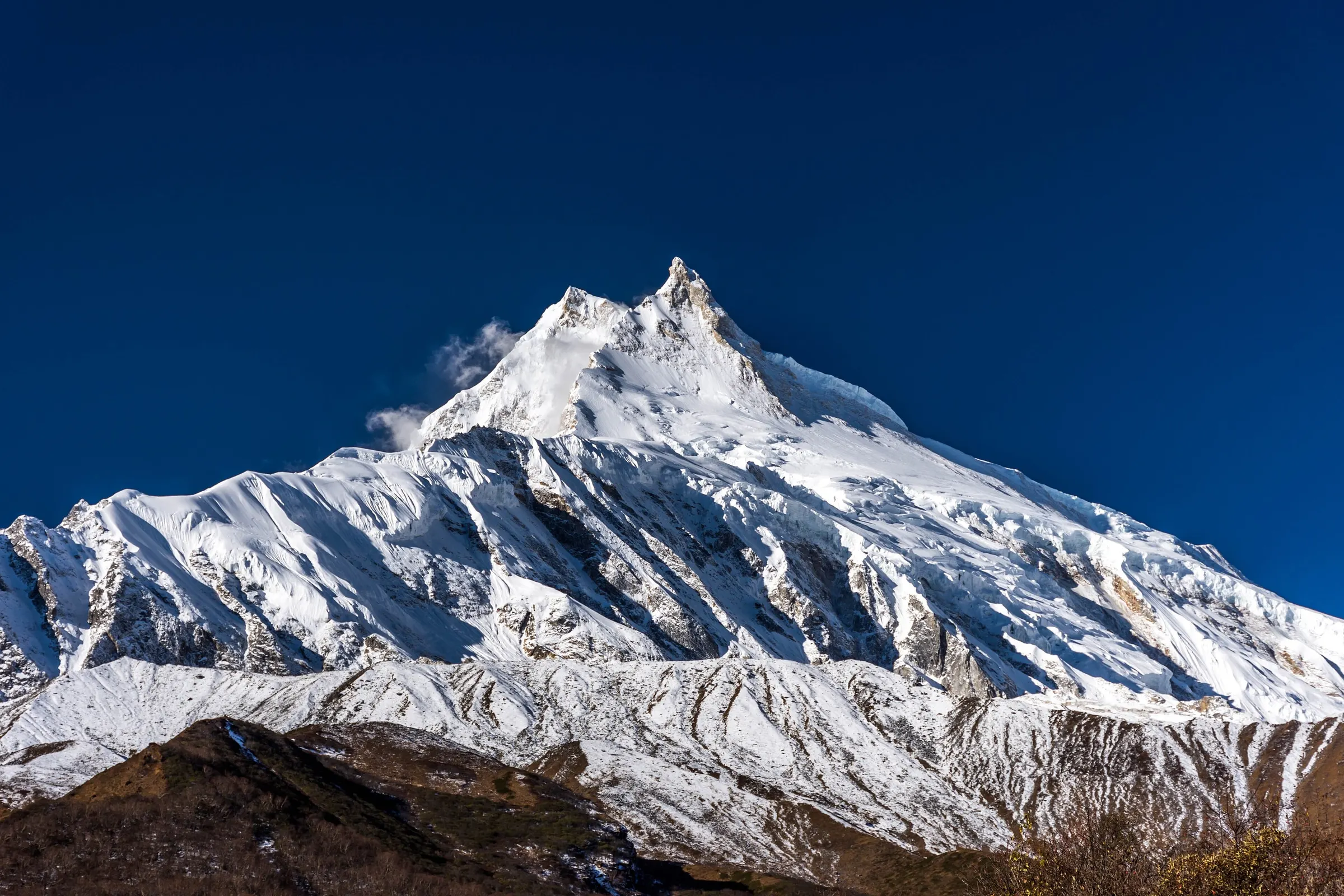
    A wild circuit around Manaslu, the world's eighth-highest mountain, over the Larkya La (5,106 m) with far fewer trekkers.

  • 22 days · Strenuous

    Kanchenjunga Base Camp Trek

    Both base camps of the world's third-highest mountain, on a long, wild trek in far-east Nepal.

  • 12 days · Challenging

    Gokyo Lakes Trek

    Turquoise glacial lakes and the view of four 8,000 m peaks from Gokyo Ri, away from the busiest trail.

From$1,450

Book on WhatsApp