In this guide (8 sections)
Quick answer
Pack for big temperature swings: light layers for the forest, a warm down jacket and hat for High Camp (3,580 m) and the dawn walk to about 4,500 m, good boots for steep and sometimes muddy trails, and a sleeping bag for cold teahouse rooms. Most bulky gear can be rented in Pokhara.
I have trekked in Nepal four times, and Mardi Himal is the trek where I most often see people carrying the wrong things: too much for the forest, not enough for the ridge. The trek is short, the days are steep, and every kilo counts.
This is the list I use, checked by our guide Bikash Gurung, who grew up a few valleys away and walks this trail every season.
Layers: from forest heat to frosty dawns
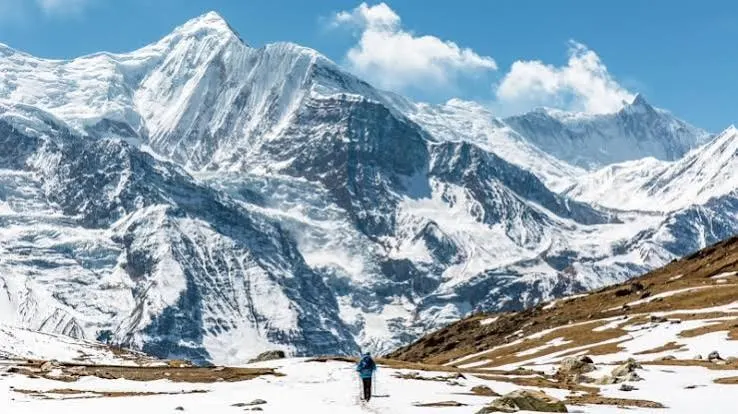
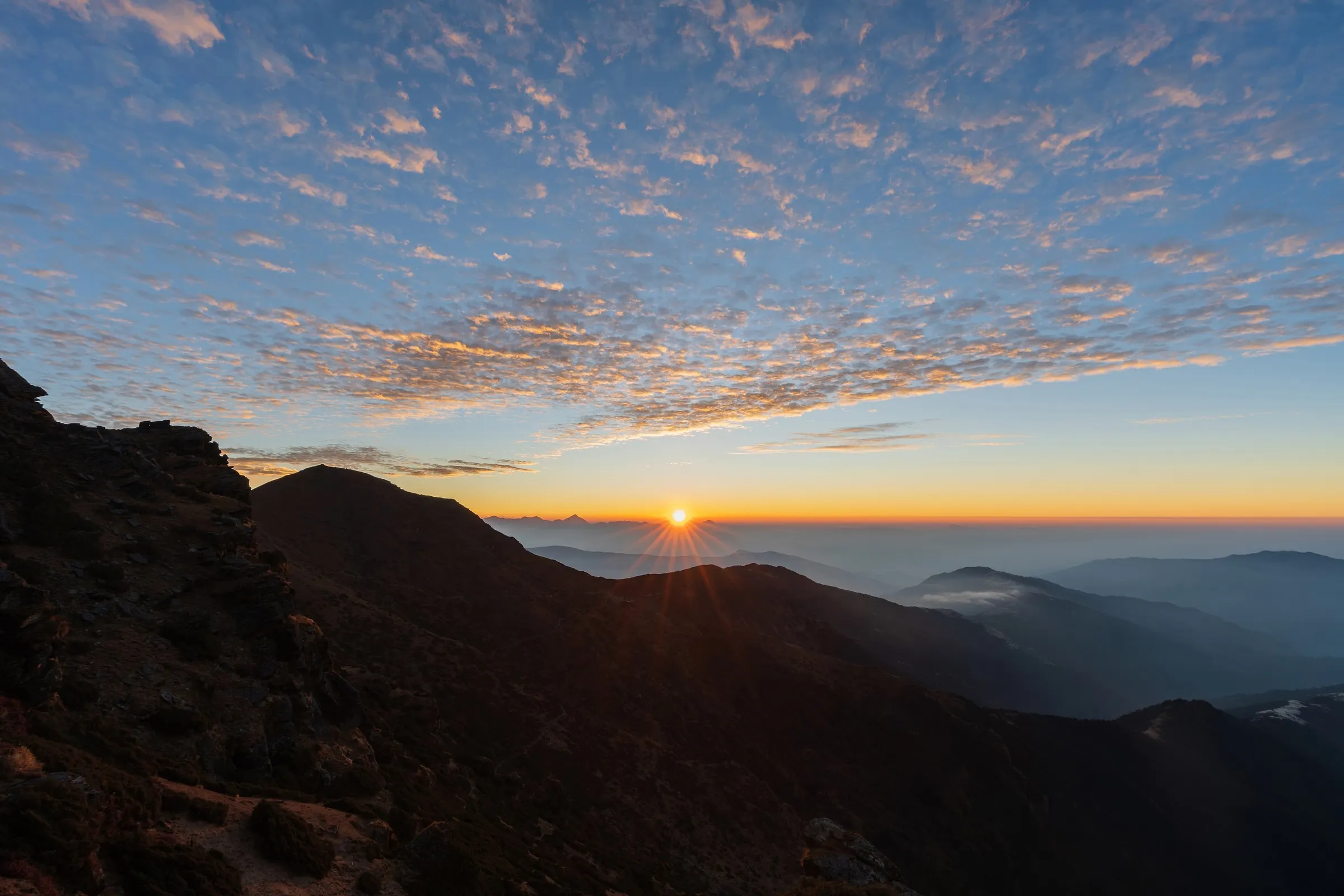
The first two days climb through warm, humid forest. By High Camp you are above the trees, the wind picks up, and the walk to the viewpoint starts in the dark. Layers let you handle both.
Base layers: 2 merino or synthetic tops and 1 pair of leggings for cold nights
Trekking shirt and trousers: quick-drying, for the forest days
Fleece or light synthetic jacket: your main warm layer while walking
Down jacket: warm enough for dawn at the viewpoint and evenings at High Camp
Waterproof jacket: for rain lower down and wind on the ridge
Warm hat, buff and gloves: a thin pair for walking, a warm pair for the dawn hike
Boots and feet
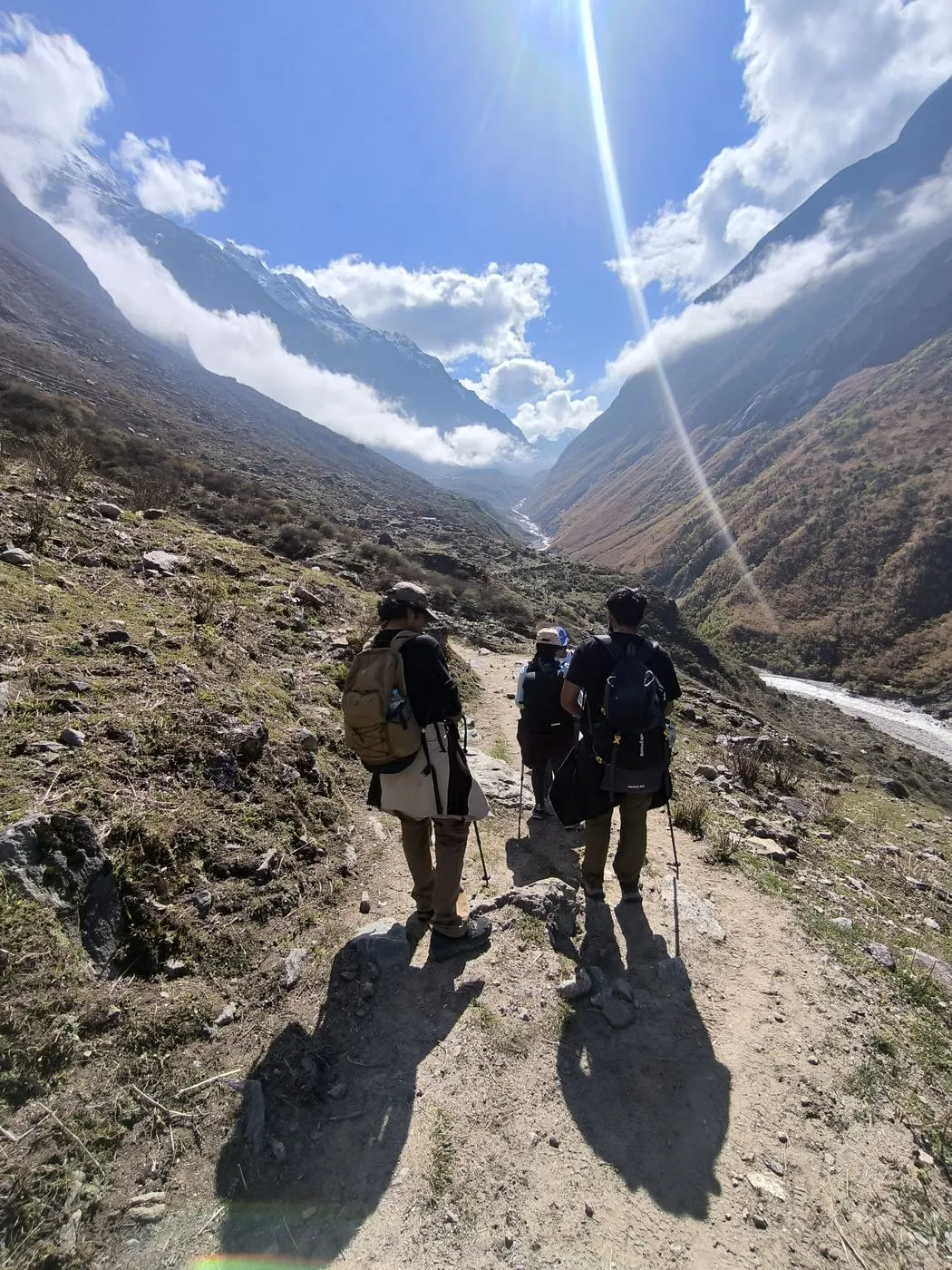
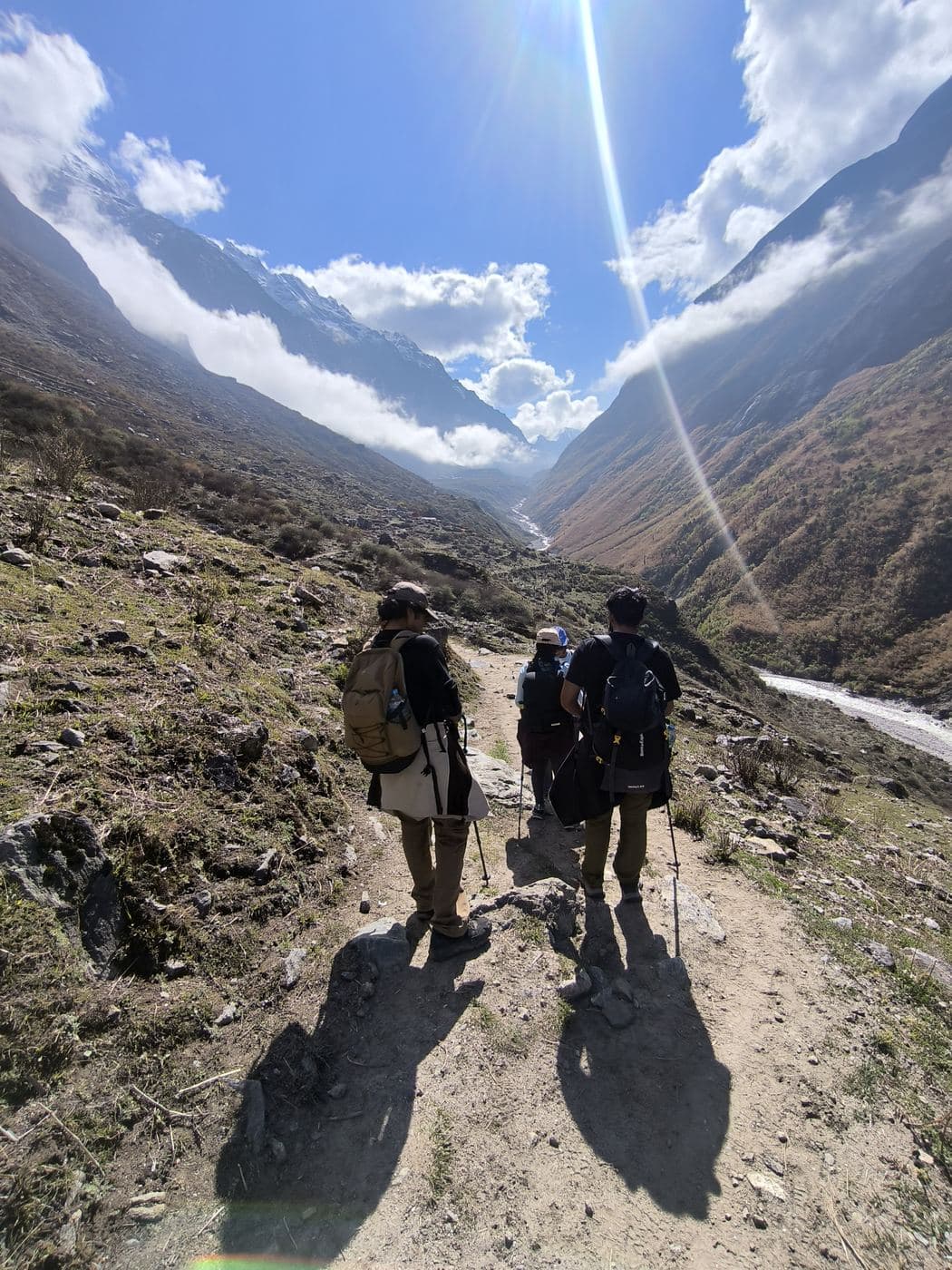
The trail is steep in both directions, with roots and stone steps in the forest and loose ground above Low Camp. Wear boots you have already walked in, with good grip and ankle support.
Waterproof trekking boots, well broken in
3–4 pairs of cushioned trekking socks
Light shoes or sandals for the evenings
Blister plasters, put on at the first sign of rubbing
Sleeping bag and teahouse nights
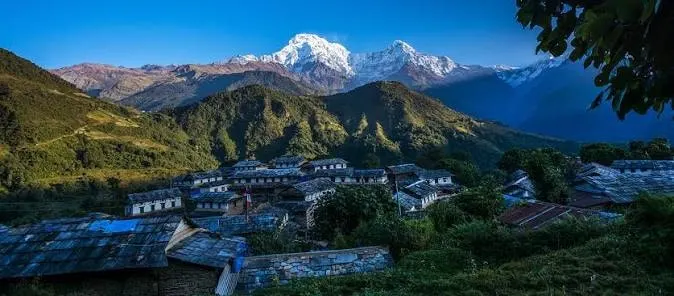
Teahouses on Mardi Himal are small and simple. Rooms are unheated, and the dining room is the only warm place in the evening. Blankets are usually available, but at High Camp you will be glad of your own sleeping bag.
A bag rated comfortable to about −10 °C is a good choice for autumn and spring. In winter, bring the warmest bag you can, or add a liner.
The full Mardi Himal checklist
- Daypack (25–35 L) with a rain cover
- Duffel bag for your porter
- Sleeping bag, comfortable to about −10 °C
- Down jacket, fleece and waterproof jacket
- Base layers and quick-dry trekking clothes
- Warm hat, buff, thin and warm gloves
- Broken-in trekking boots and camp shoes
- Trekking poles
- Headlamp with spare batteries
- Two 1 L water bottles and purification tablets or a filter
- Sunglasses, sunscreen and lip balm
- Small first-aid kit and blister plasters
- Snacks for the long climbs
- Enough cash in Nepali rupees for the whole trek
- Passport copy and travel insurance details
Rent or buy in Pokhara
You do not need to fly in with everything. Lakeside in Pokhara has many shops that rent sleeping bags, down jackets and trekking poles for a small daily fee, and sell socks, hats and gloves.
Check rented gear before you pay: zips that close, a sleeping bag that still feels full and warm, and poles that lock properly. Boots are the one thing I never rent.
What I leave at home
Packing light makes the steep days far more enjoyable. These are the things I no longer bring on a short teahouse trek like Mardi Himal:
Jeans and cotton clothes: heavy, slow to dry and cold when damp
A second pair of heavy boots: one good pair plus light camp shoes is enough
Big toiletry bottles: small refillable ones last a week
Too many books and gadgets: evenings are short, and charging costs extra up high
Lots of packaged food: teahouses serve good meals, so a few snacks are enough
Water, health and small things
There are no ATMs on the trail, so bring cash from Pokhara for meals, hot drinks and small extras like charging. Treat your water rather than buying plastic bottles: the teahouses can refill your bottles with boiled or filtered water.
Sun at altitude is strong even on cold days. Sunglasses, sunscreen and lip balm are as important here as your down jacket.
Questions about gear for Mardi Himal?
Ask us on WhatsAppFrequently asked questions
How cold does it get on the Mardi Himal trek?
The forest days are mild, but nights at High Camp are often near or below freezing in autumn and spring, and colder in winter. The dawn walk to the viewpoint is the coldest part of the trek.
Do I need crampons for Mardi Himal?
Not usually in autumn or spring. In winter, or after fresh snow, light microspikes can help above High Camp. Your guide will tell you before you set off.
Can I rent a sleeping bag and down jacket in Pokhara?
Yes. Many shops in Lakeside rent both for a small daily fee. Check the condition before you pay, and rent a day before the trek so you can swap anything that doesn't fit.
How heavy should my daypack be?
Aim for about 4–6 kg: water, warm layers, rain jacket, snacks, sun protection and your camera. The porter carries the rest.
Do I need trekking poles?
They are strongly recommended. The descent from High Camp and through the forest is steep, and poles save your knees and help on icy mornings.